
Alexandra Paul Biography Quotes 26 Report mistakes
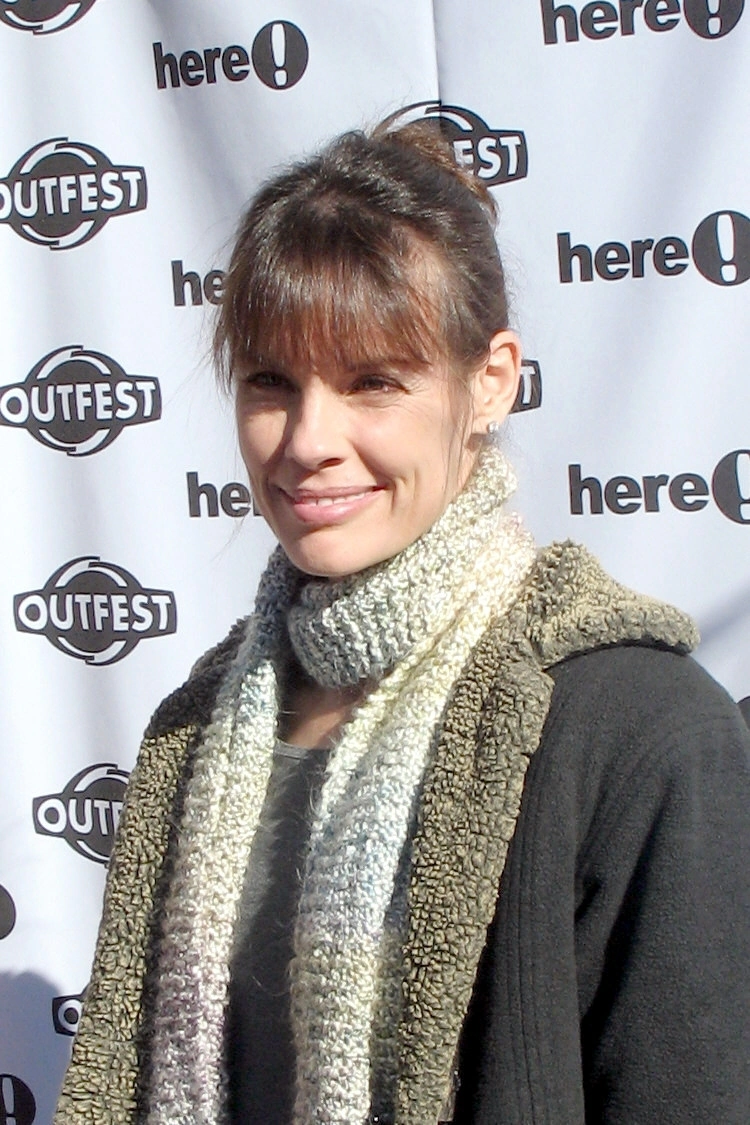
| 26 Quotes | |
| Born as | Alexandra Elizabeth Paul |
| Occup. | Actress |
| From | USA |
| Born | July 29, 1963 New York City, New York, USA |
| Age | 62 years |
| Cite | |
Citation Formats
APA Style (7th ed.)
Alexandra paul biography, facts and quotes. (2026, February 11). FixQuotes. https://fixquotes.com/actors/alexandra-paul/
Chicago Style
"Alexandra Paul biography, facts and quotes." FixQuotes. February 11, 2026. https://fixquotes.com/actors/alexandra-paul/.
MLA Style (9th ed.)
"Alexandra Paul biography, facts and quotes." FixQuotes, 11 Feb. 2026, https://fixquotes.com/actors/alexandra-paul/. Accessed 5 Mar. 2026.
Early Life and Background
Alexandra Elizabeth Paul was born on July 29, 1963, in the United States and came of age in the long shadow of late-20th-century American media - a period when television became both national hearth and cultural mirror. Her early life unfolded against a backdrop of second-wave feminism giving way to a more individualized, image-driven celebrity culture, where women were offered visibility but often under narrow terms. That tension - between being seen and being reduced - would later shape both her screen persona and her off-screen insistence on being defined by choices, not packaging.From early on, Paul projected a physically capable, self-possessed presence that resisted the era's default ingenue template. She gravitated toward athletic discipline and the idea that a body is not only an object but an instrument - for work, for endurance, for action. Even before her activism became public, there was a consistent through-line: a hunger to live deliberately, to place agency over convenience, and to treat fame as a platform that demands ethical decisions rather than merely providing perks.
Education and Formative Influences
Paul trained as an actor in the United States, developing craft in a moment when film and television were expanding the kinds of women who could lead - but still asked them to be legible in instantly marketable ways. Her formative influences were as much structural as artistic: the rise of serialized television, the 1980s emphasis on spectacle and speed, and a growing public conversation about health, consumerism, and environmental limits. That mix encouraged a performer who could play mainstream accessibility while privately cultivating a more questioning, reform-minded worldview.Career, Major Works, and Turning Points
Paul became widely recognized as an actress through her long-running role as Lt. Stephanie Holden on the global hit series "Baywatch" (1992-1997), where her competence and steadiness added ballast to a show often caricatured as pure glamour. Working inside one of the most exported TV properties of its time gave her a front-row seat to how entertainment manufactures desire, bodies, and lifestyle aspiration - and also how that machinery can be redirected. Across subsequent film and television work, she maintained a career defined less by a single prestige arc than by sustained visibility, using that visibility to speak persistently about animal rights, plant-based living, clean transportation, and overconsumption - choices that became turning points in how the public read her: not only as a performer, but as a citizen-advocate.Philosophy, Style, and Themes
Paul's public philosophy is built around the idea that everyday decisions are moral signals - small, cumulative votes about what kind of world is being subsidized. Her activism is not framed as purity but as continual recalibration, a willingness to admit tradeoffs and still move the baseline. That practicality appears in her consumer ethics and environmental messaging, which refuses to treat technology as salvation while insisting it can be leveraged. “Electric cars aren't pollution-free; they have to get their energy from somewhere”. The sentence is revealing psychologically: she is suspicious of easy redemption narratives, including the ones marketed to conscientious people, and she prefers uncomfortable clarity to reassuring branding.A second theme is identity as something expressed through objects, but also something that can be unlearned. “The cars we drive say a lot about us”. For Paul, the car becomes a miniature autobiography - status, habits, and values compressed into a purchase. Yet she aims at disidentification as much as expression: “I'm trying to practice owning less stuff”. Read together, these lines show a mind trained to notice how consumer culture colonizes the self, and a temperament that answers that colonization with discipline rather than cynicism. Even her performance style echoes this orientation: straightforward, physically grounded, and less interested in ornamental mystery than in competent presence - a kind of plainspoken intensity that aligns with her preference for actionable ethics.
Legacy and Influence
Alexandra Paul endures as a figure who complicates the standard arc of 1990s television fame: she used mainstream recognition not to retreat into brand management, but to argue - repeatedly and at personal cost - that comfort is not the same as wellbeing. Her legacy sits at the intersection of popular culture and civic pressure, demonstrating how an actress identified with a mass-market phenomenon can also be an unusually consistent messenger for environmental responsibility, plant-based ethics, and a reduced-consumption lifestyle. In an era when celebrity advocacy is often episodic, Paul's influence is defined by persistence: a long, visible practice of aligning public identity with private restraint and a belief that the future is shaped in the choices people make when nobody is applauding.Our collection contains 26 quotes written by Alexandra, under the main topics: Witty One-Liners - Ethics & Morality - Justice - Sarcastic - Leadership.
Other people related to Alexandra: David Hasselhoff (Actor), Traci Bingham (Actress)
Source / external links