
Alison Lohman Biography Quotes 19 Report mistakes
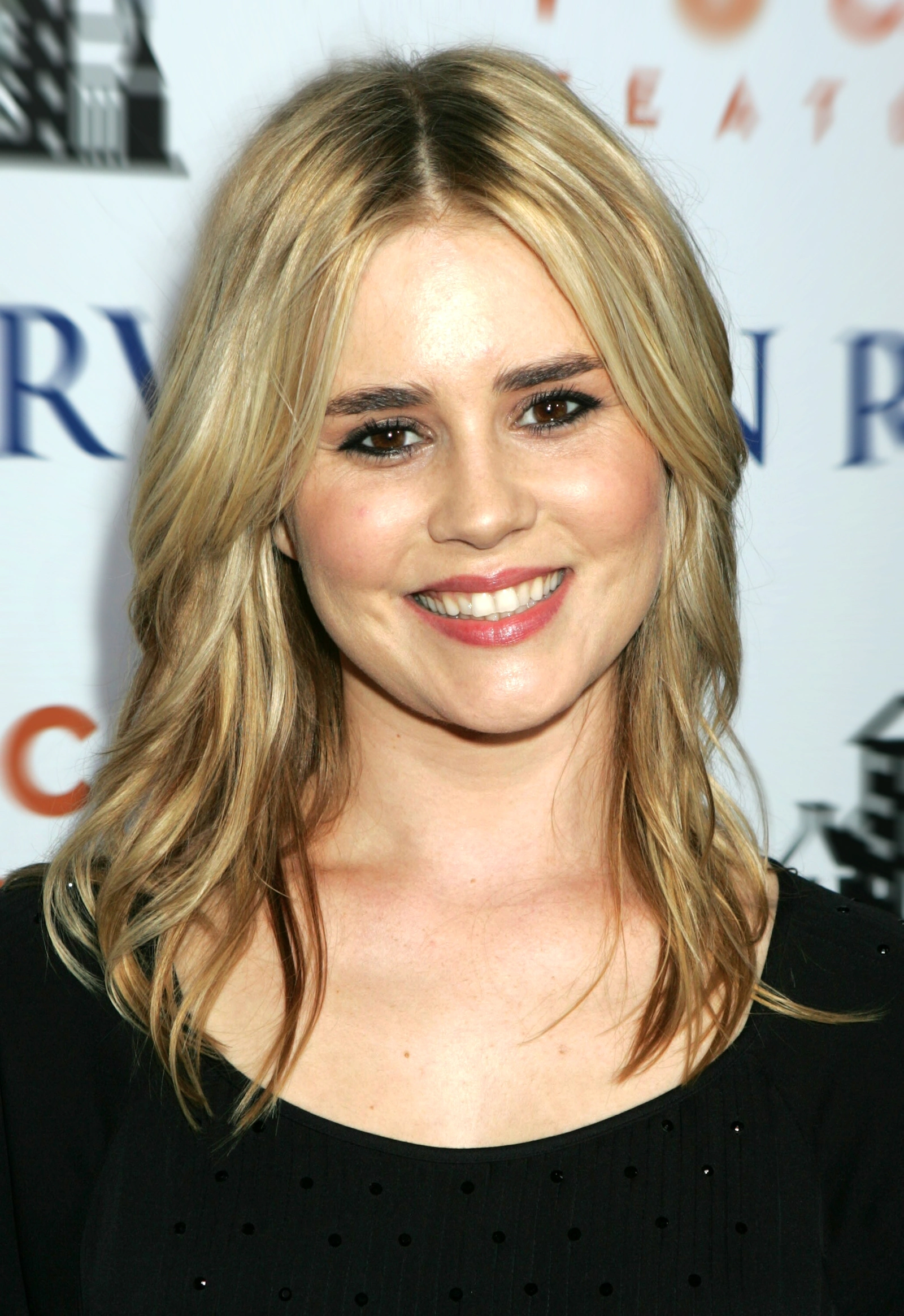
| 19 Quotes | |
| Born as | Alison Marion Lohman |
| Occup. | Actress |
| From | USA |
| Born | September 18, 1979 Palm Springs, California, United States |
| Age | 46 years |
| Cite | |
Citation Formats
APA Style (7th ed.)
Alison lohman biography, facts and quotes. (2026, March 19). FixQuotes. https://fixquotes.com/actors/alison-lohman/
Chicago Style
"Alison Lohman biography, facts and quotes." FixQuotes. March 19, 2026. https://fixquotes.com/actors/alison-lohman/.
MLA Style (9th ed.)
"Alison Lohman biography, facts and quotes." FixQuotes, 19 Mar. 2026, https://fixquotes.com/actors/alison-lohman/. Accessed 27 Mar. 2026.
Early Life and Background
Alison Marion Lohman was born on September 18, 1979, in Palm Springs, California, and grew up in a region better known for resorts and retirees than for manufacturing actors. Her family background was solidly middle-class and non-Hollywood, which matters in understanding the shape of her ambition: she was not groomed inside an industry machine, but emerged from community performance, school activities, and a precocious seriousness about craft. From childhood she showed an unusual mix of delicacy and resolve - a face that could suggest innocence, and an inner drive that was competitive, disciplined, and unsentimental. That contrast would become the engine of her screen presence.
As a girl she entered the world of local theater and youth performance early, building technique before fame. Palm Springs gave her distance from Los Angeles but not isolation from possibility; Southern California made the dream imaginable while still requiring effort. She reportedly won attention in school and regional productions, and by adolescence had already learned the practical demands of auditions, rehearsal schedules, and typecasting. Her early life was marked by a tension that would follow her career: she looked younger than she was, which opened doors and imposed limits at the same time. The childlike quality audiences noticed was never the whole person; beneath it was a performer intent on control.
Education and Formative Influences
Lohman's real education was theatrical rather than academic. She attended school in the Palm Springs area but built her identity in musicals, stage roles, and competition, absorbing the disciplines of timing, vocal projection, emotional modulation, and ensemble work before moving decisively toward screen acting. The late 1980s and 1990s, when she was forming herself, were years when young actresses were often sorted into narrow market categories - ingenue, rebel, victim, sex symbol - and Lohman seems to have understood early that survival required transformation. A move to Los Angeles after high school put her in the brutal apprenticeship of television and low-profile parts, yet those years sharpened her instincts. She learned to make an impression quickly, to suggest depth in brief appearances, and to preserve a private center while working in an industry that rewards exposure.
Career, Major Works, and Turning Points
After early television work, Lohman's breakthrough came with White Oleander in 2002, where she played Astrid Magnussen opposite Michelle Pfeiffer in a performance of bruised intelligence and emotional receptivity that announced a major talent. The role made use of her youthful appearance while revealing something harder and more observant underneath. She followed it with Matchstick Men (2003), holding her own opposite Nicolas Cage in a film that depended on ambiguity, charm, and manipulation; Big Fish (2003), where Tim Burton used her luminous directness in a romantic register; and the title role in the independent drama Manderlay (2005), stepping into Lars von Trier's severe moral theater. Other notable work included Where the Truth Lies, Flicka, Things We Lost in the Fire, and Drag Me to Hell (2009), Sam Raimi's ferocious return to horror, in which she brought physical comedy, panic, and vulnerability into tight alignment. Then, at what looked like a peak, she effectively withdrew from acting after marrying filmmaker Mark Neveldine in 2009, later turning toward family life and, for a period, acting instruction. That retreat became one of the decisive facts of her biography: a career not ruined, but intentionally curtailed.
Philosophy, Style, and Themes
Lohman's acting philosophy was grounded less in celebrity than in inhabitation. “I like to take a character and develop it”. That plain statement reveals her temperament: process-oriented, inward, suspicious of superficial branding. Even as the industry often treated her appearance as a commercial fact - a woman who could plausibly play much younger - she resisted reducing performance to age coding. “But, you know, it really depends on the character. Age doesn't really matter”. In psychological terms, this suggests a performer trying to relocate authority from the body others see to the imagination she controls. She could play innocence without passivity, and youth without simplicity, because she approached roles from motive rather than image.
That same inwardness helps explain both her best performances and her distance from fame culture. “I just want to act. I just want to do the work”. The sentence is almost ascetic. It points to an artist who valued the enclosed space of labor - rehearsal, emotional construction, scene work - over the expansive, extractive demands of publicity. On screen, her style often turned on contradiction: openness paired with secrecy, fragility with cunning, softness with moral endurance. In White Oleander especially, she gave suffering contour without sentimental collapse; in Matchstick Men she used girlish spontaneity as a tactical instrument. Her recurring theme was survival under pressure, and her gift lay in making adaptation look both instinctive and costly.
Legacy and Influence
Alison Lohman's legacy is unusual because it rests on a compact body of work that still feels larger than its size. She belongs to a generation of American actresses who came of age when independent cinema, prestige literary adaptation, studio genre films, and cable-era television overlapped, and she moved through those zones with uncommon elasticity. Her performances remain instructive for their precision and for the way they expose the false divide between vulnerability and intelligence. If her relative absence from later screens limited her public canon, it also preserved a certain intensity around the work she did leave behind. She is remembered not as a star whose image swallowed the roles, but as a serious actress whose roles briefly, memorably, swallowed the image.
Our collection contains 19 quotes written by Alison, under the main topics: Music - Friendship - Life - Resilience - Work Ethic.
Other people related to Alison: Janet Fitch (Author), Dileep Rao (Actor)
Source / external links