
Anna Neagle Biography Quotes 12 Report mistakes
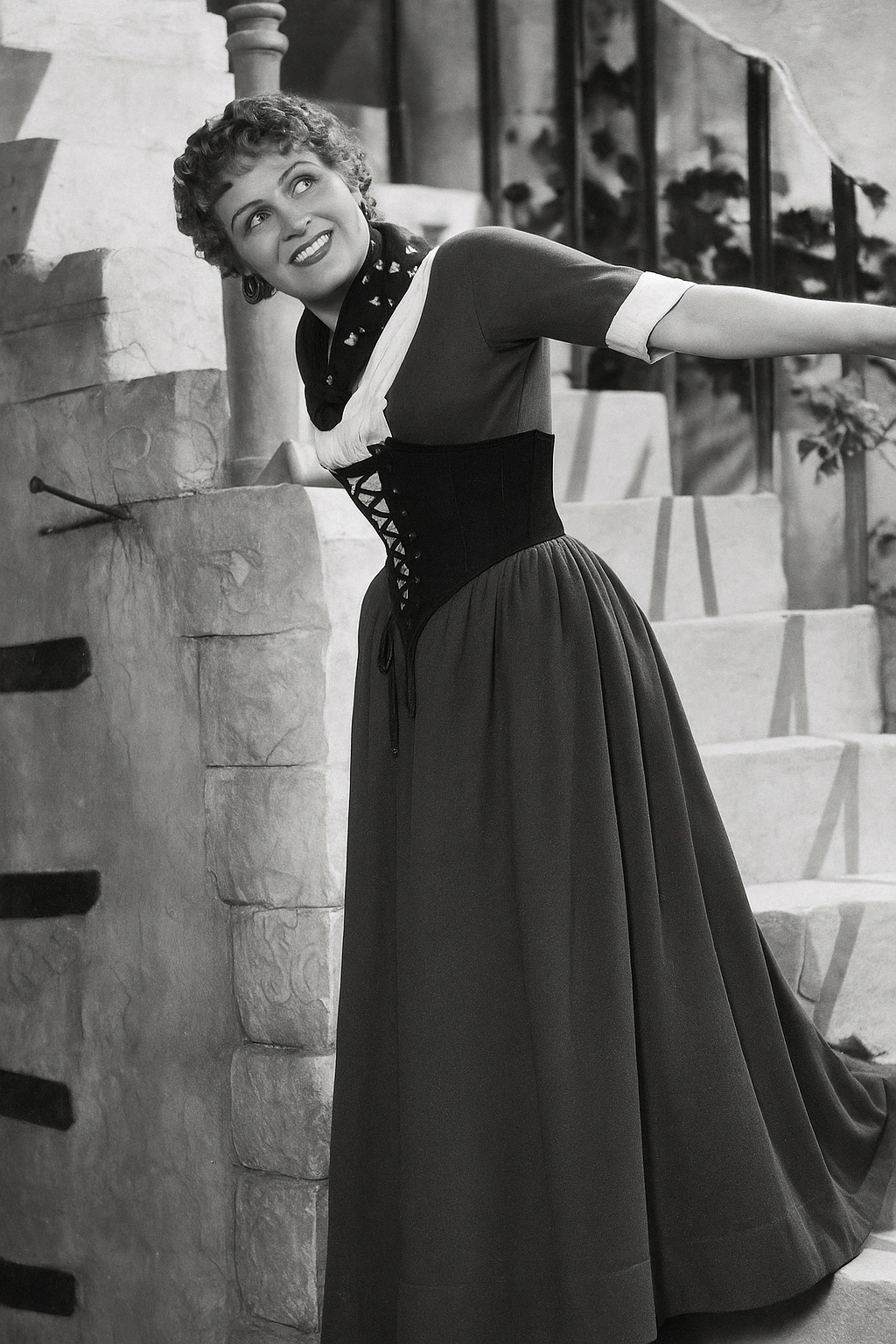
| 12 Quotes | |
| Born as | Florence Marjorie Robertson |
| Known as | Dame Florence Marjorie Wilcox |
| Occup. | Actress |
| From | England |
| Spouse | Herbert Wilcox (1943-1977) |
| Born | October 20, 1904 Forest Gate, Essex, England |
| Died | June 3, 1986 West Byfleet, Surrey, England |
| Aged | 81 years |
| Cite | |
Citation Formats
APA Style (7th ed.)
Anna neagle biography, facts and quotes. (2026, March 4). FixQuotes. https://fixquotes.com/actors/anna-neagle/
Chicago Style
"Anna Neagle biography, facts and quotes." FixQuotes. March 4, 2026. https://fixquotes.com/actors/anna-neagle/.
MLA Style (9th ed.)
"Anna Neagle biography, facts and quotes." FixQuotes, 4 Mar. 2026, https://fixquotes.com/actors/anna-neagle/. Accessed 27 Mar. 2026.
Early Life and Background
Anna Neagle was born Florence Marjorie Robertson on 1904-10-20 in England, arriving in a nation where music hall, Edwardian operetta, and the new phenomenon of cinema competed for popular attention. Her childhood coincided with the aftershocks of the First World War and the churn of interwar London, when women were renegotiating public life and the stage offered one of the few visible routes to independence. In that atmosphere, performance could be both work and self-invention - a way to step out of circumstance and into a chosen identity.
From the outset, Neagle was associated with the discipline of dance and the idea of professionalism rather than bohemian excess. That reputation mattered: British stardom in the 1930s and 1940s often depended on projecting steadiness, decency, and emotional restraint, qualities the public wanted in an unstable age. Long before she became a screen emblem of poise, she learned that charm without rigor dissolves quickly, and that careers built on applause still depend on routine and stamina.
Education and Formative Influences
Her formative training was practical and theatrical - the kind earned in rehearsal rooms, touring companies, and the apprenticeship culture of British entertainment, where timing, posture, and voice were hammered into muscle memory. She grew in the shadow of a national tradition that prized clarity and understatement, and she absorbed the grammar of stage storytelling: how a gesture reads from the back row, how a pause can become meaning, how to make sentiment land without collapsing into self-pity. These lessons became the bedrock of her later screen work, especially in roles that demanded both sparkle and credibility.
Career, Major Works, and Turning Points
Neagle emerged as a major British film star in the 1930s, closely associated with director Herbert Wilcox, whose films used music, biography, and romance to shape a popular, exportable image of Britishness; the two later married, creating one of the period's defining actor-producer partnerships. Her signature achievements came in prestige biopics and star vehicles that balanced entertainment with uplift, notably her celebrated portrayals of the nurse Edith Cavell (Nurse Edith Cavell, 1939) and the actress Nell Gwyn (Nell Gwyn, 1934), performances that made historical womanhood legible as modern aspiration. During the Second World War and after, she remained a dependable box-office presence, her screen persona offering reassurance - lively but controlled, emotional but never reckless - as audiences navigated blackouts, loss, and postwar austerity. She continued working across stage, film, and later television as British cinema shifted, and she died on 1986-06-03, widely remembered as one of the era's defining homegrown stars.
Philosophy, Style, and Themes
Neagle's style was built on the paradox of visibility: the star is always watched, yet must preserve an inner core that is not for the audience. Her performances often turned on containment - feelings held in check until a decisive moment - which matched the interwar and wartime taste for resilience over confession. “Solitude is pleasant. Loneliness is not”. That distinction illuminates the psychology behind her screen poise: the polished exterior was not a denial of emotion, but a method for managing it, a way to keep private turbulence from spilling into public life. In her best roles, dignity is not coldness; it is self-command.
She also treated success as a craft of time - not merely being chosen, but enduring. “Naturally enough, when I was a young dancer, I was terribly anxious to get ahead, and to get ahead quickly. I was impatient with all those older people who talked of the long grind to the top, who turned me down for jobs I knew I could do”. The candor suggests an ambitious temperament tempered by experience, the journey from impatience to strategy. Later in life, her reflections turn waiting into agency: “But the important thing about learning to wait, I feel sure, is to know what you are waiting for”. In other words, her public optimism was earned - a discipline of anticipation that kept her working through an industry that could be fickle, gendered, and unforgiving.
Legacy and Influence
Neagle endures as a model of the British star as professional: versatile across dance, comedy, romance, and historical drama, yet anchored by an ethic of preparation and steadiness. She helped define the female-centered biopic in British cinema, making national history intimate through character rather than spectacle, and her partnership with Wilcox exemplified how stardom could be built through deliberate production choices as well as talent. To later performers, her career offers a blueprint for longevity - not by chasing novelty, but by refining a recognizable self and protecting the inner life that makes public performance sustainable.
Our collection contains 12 quotes written by Anna, under the main topics: Wisdom - Goal Setting - Time - Self-Care - Self-Improvement.
Other people related to Anna: Michael Wilding (Actor)
Frequently Asked Questions
- Where is Anna Neagle buried: City of London Cemetery and Crematorium, London.
- Anna Neagle Odette: She played SOE agent Odette Sansom in Odette (1950).
- Anna Neagle husband: Herbert Wilcox.
- Anna Neagle children: None.
- Anna Neagle cause of death: Died after a long illness (1986).
- How old was Anna Neagle? She became 81 years old
Source / external links