
Anne Bancroft Biography Quotes 8 Report mistakes
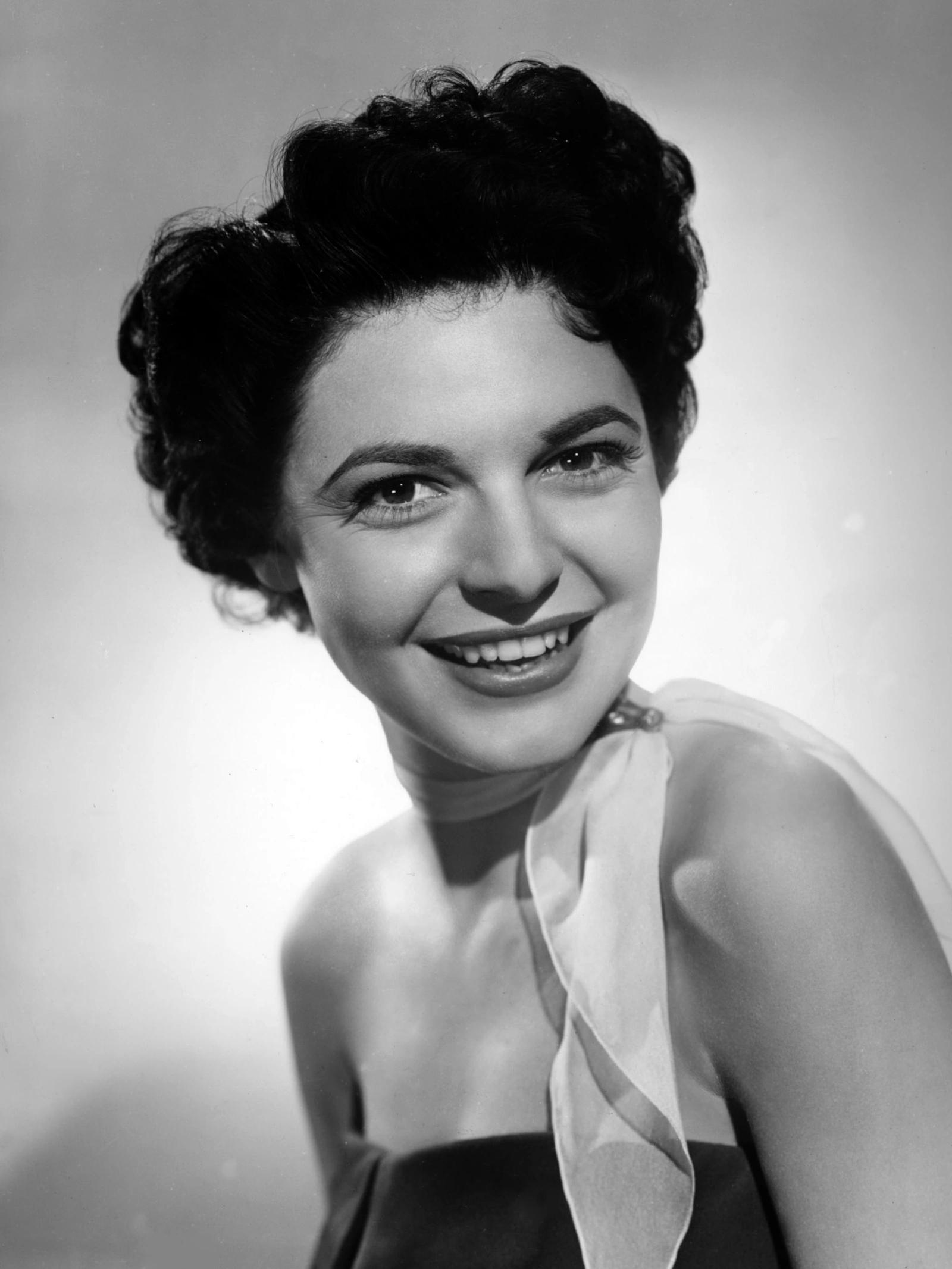
| 8 Quotes | |
| Born as | Anna Maria Louisa Italiano |
| Occup. | Actress |
| From | USA |
| Born | September 17, 1931 New York City, USA |
| Died | June 6, 2005 New York City, USA |
| Aged | 73 years |
| Cite | |
Citation Formats
APA Style (7th ed.)
Anne bancroft biography, facts and quotes. (2026, February 18). FixQuotes. https://fixquotes.com/actors/anne-bancroft/
Chicago Style
"Anne Bancroft biography, facts and quotes." FixQuotes. February 18, 2026. https://fixquotes.com/actors/anne-bancroft/.
MLA Style (9th ed.)
"Anne Bancroft biography, facts and quotes." FixQuotes, 18 Feb. 2026, https://fixquotes.com/actors/anne-bancroft/. Accessed 5 Mar. 2026.
Early Life and Background
Anne Bancroft was born Anna Maria Louisa Italiano on September 17, 1931, in the Bronx, New York, the youngest of three daughters in an Italian American, working-class Catholic household. Her father, an upholsterer and sign painter, and her mother, a homemaker, raised her in a city shaped by Depression-era scarcity and postwar aspiration, where ethnic neighborhoods could be both protective and confining. The stage offered a different kind of belonging: a place to be seen without apology, and to leave behind the limits implied by her surname, accent, and block.Quiet and observant as a child, she developed the kind of watchfulness that later became one of her great tools - the ability to register a room, then change its temperature with a pause, a tilt of the head, a sudden heat behind the eyes. New York in the 1940s and 1950s rewarded nerve, but it also punished women for taking up too much space; Bancroft learned to project force while keeping her center private. That tension - between what the world demanded and what she refused to surrender - became the engine of her most memorable characters.
Education and Formative Influences
She attended the American Academy of Dramatic Arts in New York and began working in theater and early television, absorbing the era's overlapping acting languages: the discipline of repertory and the psychological truth-seeking associated with mid-century American realism. She took the name Anne Bancroft, a practical reinvention in an industry that routinely trimmed ethnicity into marketability, and she sharpened her craft in live TV dramas and onstage roles where mistakes were immediate and courage was visible.Career, Major Works, and Turning Points
Bancroft broke through on Broadway, then made a decisive leap with The Miracle Worker: she originated Annie Sullivan onstage (1959) and won the Academy Award for the film version (1962), a performance of almost feral will and tenderness that announced her as a major dramatic actor. The 1960s brought further acclaim and risk: she became a pop-cultural lightning rod as Mrs. Robinson in The Graduate (1967), an image both liberated and weaponized by the period's sexual politics. She moved between film and theater with unusual authority, earning multiple Tony Awards and later embracing character parts that deepened rather than decorated projects, from dramas like The Turning Point (1977) to late-career ensemble work and comedy, including a scene-stealing turn in Mel Brooks' To Be or Not to Be (1983). In 1964 she married director-producer Martin May, a union that ended in divorce; in 1967 she married comedian-filmmaker Mel Brooks, forming one of show business' most enduring partnerships, and they had a son, Max Brooks.Philosophy, Style, and Themes
Bancroft's acting was intimate, muscular, and unsentimental about pain. She did not play "strength" as glamour; she played it as labor - the hard-won kind that comes from experience and contradiction. In interviews she could sound as if she had arrived at a stern peace with herself: “I was at a point where I was ready to say I am what I am because of what I am and if you like me I'm grateful, and if you don't, what am I going to do about it?” That stance reads less like bravado than self-preservation, a way to protect the private self while offering the public a disciplined honesty.Her themes orbit autonomy, desire, and the costs of intimacy. She understood marriage as a psychological contract that collapses when built on performance: “If you marry the wrong person for the wrong reasons, then no matter how hard you work, it's never going to work, because then you have to completely change yourself, completely change them, completely - by that time, you're both dead”. In the shadow of her own early divorce and her long, creative marriage to Brooks, this is both caution and credo: love without self-erasure. Even her most famous role carried an aftertaste she never fully accepted; she pushed against a culture that reduced her to one icon, saying, "I am quite surprised, that with all my work, and some of it is very, very good, that nobody talks about The Miracle Worker. We're talking about Mrs. Robinson. I understand the world... I'm just a little dismayed that people aren't beyond it
Our collection contains 8 quotes written by Anne, under the main topics: Love - Meaning of Life - Movie - Work - Romantic.
Other people related to Anne: Lee Strasberg (Director), John Hurt (Actor), Elizabeth Wilson (Actress), Marsha Norman (Dramatist), Dom DeLuise (Actor)
Frequently Asked Questions
- How old was Anne Bancroft in The Graduate: She was 35 years old during 1966 filming and 36 when The Graduate was released on December 21, 1967.
- Anne Bancroft in gladiator: She does not appear in Gladiator (2000).
- Anne Bancroft movies: Notable films include The Miracle Worker (1962), The Graduate (1967), The Elephant Man (1980), and G.I. Jane (1997).
- Anne Bancroft young: Early in her career, she studied at the Actors Studio in New York and began acting on stage and television in the 1950s.
- Anne Bancroft cause of death: She died of uterine cancer on June 6, 2005.
- How old was Anne Bancroft? She became 73 years old
Source / external links