
Anne Baxter Biography Quotes 6 Report mistakes
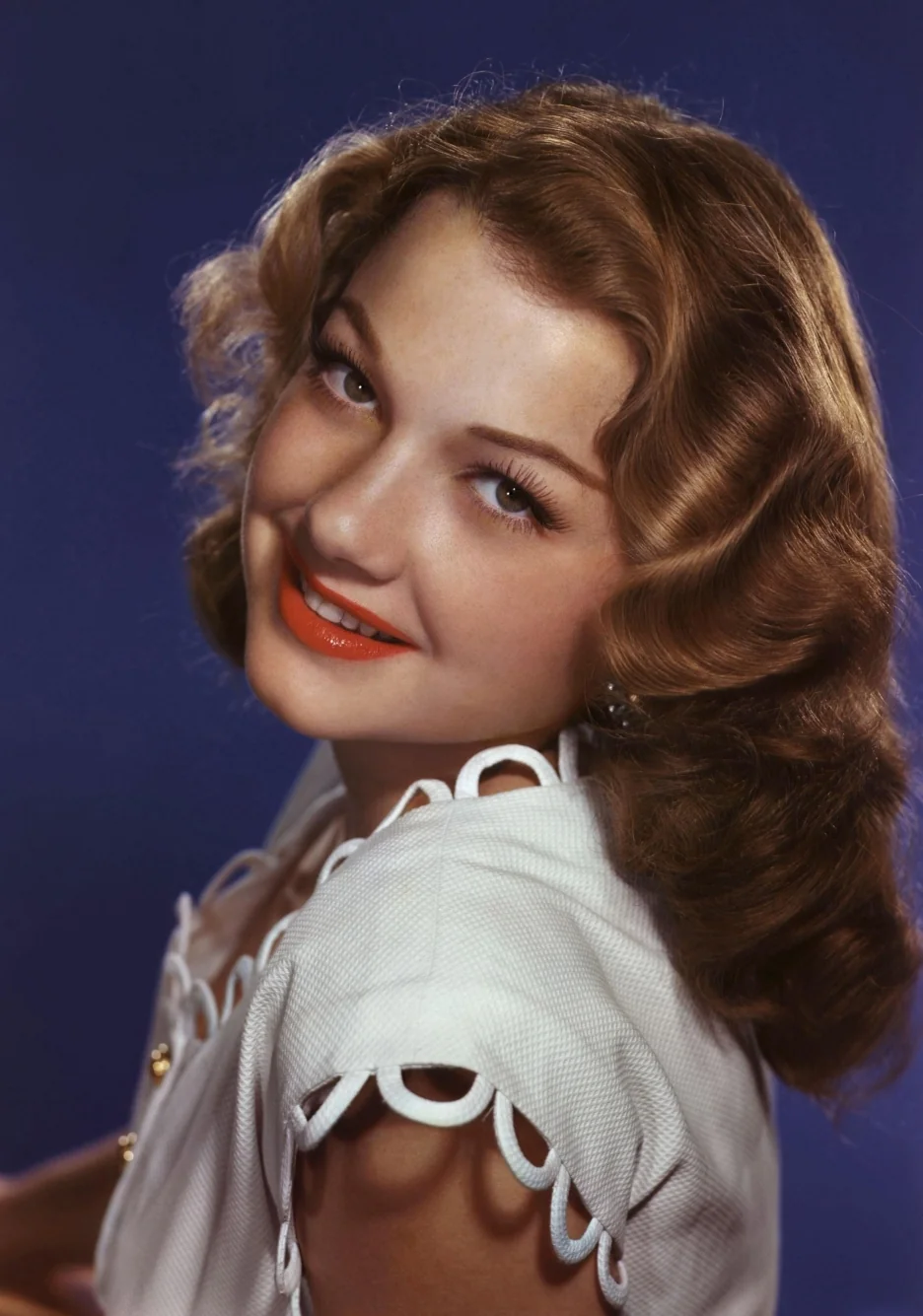
| 6 Quotes | |
| Occup. | Actress |
| From | USA |
| Born | May 7, 1923 Michigan City, Indiana, U.S. |
| Died | December 12, 1985 New York City, New York, U.S. |
| Cause | Aneurysm |
| Aged | 62 years |
| Cite | |
Citation Formats
APA Style (7th ed.)
Anne baxter biography, facts and quotes. (2026, February 2). FixQuotes. https://fixquotes.com/actors/anne-baxter/
Chicago Style
"Anne Baxter biography, facts and quotes." FixQuotes. February 2, 2026. https://fixquotes.com/actors/anne-baxter/.
MLA Style (9th ed.)
"Anne Baxter biography, facts and quotes." FixQuotes, 2 Feb. 2026, https://fixquotes.com/actors/anne-baxter/. Accessed 25 Mar. 2026.
Early Life and Background
Anne Baxter was born May 7, 1923, in Michigan City, Indiana, into a prosperous, culturally ambitious family that moved frequently as her parents pursued business and a cosmopolitan life. Her mother, Catherine Dorothy (Baxter) Baxter, encouraged the arts; her father, Kenneth Stuart Baxter, worked in the insurance industry. That combination of comfort and restlessness shaped a child who could pass as patrician on screen yet was privately alert to the instability beneath seemingly polished surfaces.As a girl she was drawn to performance early, not as a cute diversion but as a way to control atmosphere and narrative - skills that later became her signature in roles where the character's smile concealed calculation or pain. The America she grew up in was a country shadowed by Depression and then war, a period that prized self-invention; Baxter internalized that pressure to be both adaptable and authoritative, and she carried it into her adult choices with a cool, almost strategic courage.
Education and Formative Influences
Baxter's family settled in New York, where she studied acting with Maria Ouspenskaya, the famed Russian teacher whose training emphasized inner truth and disciplined technique over glamour. Ouspenskaya's influence is visible in Baxter's best work: the sense that emotions are not displayed but engineered, and that a character's power lies in what she withholds. By her late teens she had been noticed by talent scouts and was signed by 20th Century-Fox, arriving in Hollywood with stage seriousness at a time when studios still molded performers into marketable types.Career, Major Works, and Turning Points
Baxter debuted in Fox films in the early 1940s, but her decisive breakthrough came with The Razor's Edge (1946), where her portrayal of Sophie - brittle, ruined, and incandescent - won the Academy Award for Best Supporting Actress. She proved unusually versatile for a studio-era star: capable of romantic drama (All About Eve, 1950, as the ingenue-turned-operator Eve Harrington), classical epic (The Ten Commandments, 1956, as Nefretiri), and darker character studies that leaned into moral ambiguity. She navigated Hollywood's mid-century shifts - the postwar appetite for psychological realism, then the spectacle era - while protecting a reputation for preparation and for playing women who were neither saints nor simple villains. Off-screen, she balanced stardom with a complicated private life, including three marriages and years of living in Europe and Australia; that distance from Hollywood's center helped her age into character parts without surrendering her identity to the industry's usual narratives about female decline.Philosophy, Style, and Themes
Baxter's performances often turn on a single tension: the desire to be loved colliding with the will to win. Her face could harden into command, then soften into a plea, sometimes within the same line, making her ideal for stories about status, envy, and reinvention. In All About Eve, she plays ambition not as monstrous but as rational - the logic of a young woman reading a world that rewards performance and punishes need. That reading was personal as much as artistic; she understood how quickly Hollywood adoration could curdle into dismissal, and she learned to treat public judgment as weather, not fate.Her inner life, at least as she described it later, was organized around resilience rather than romance. “It's best to have failure happen early in life. It wakes up the Phoenix bird in you so you rise from the ashes”. That is not a throwaway aphorism but a key to her psychology: she approached career and relationships as tests of recovery, not proofs of worth. “I wasn't afraid to fail. Something good always comes out of failure”. The line mirrors her artistic method - risk the ugly note, the unsympathetic impulse, the sudden crack in composure - because the failure, or near-failure, is where the character becomes human.
Legacy and Influence
Anne Baxter endures as one of classic Hollywood's sharpest instruments: a star who could be luminous without being merely decorative, and who made duplicity, grief, and hunger intelligible rather than sensational. Her Oscar-winning Sophie remains a benchmark for portraying addiction and despair with unsparing clarity, while Eve Harrington became a cultural archetype for ambition disguised as innocence. Later actresses studying how to play power in a feminine register - through timing, stillness, and controlled warmth - have found in Baxter a model: not an icon of a single persona, but an artist who treated reinvention as both theme and survival strategy, right up to her death on December 12, 1985, in New York City.Our collection contains 6 quotes written by Anne, under the main topics: Wisdom - Resilience - Kindness - Work Ethic - Failure.
Other people related to Anne: Edward G. Robinson (Actor)
Source / external links