
Brandon Lee Biography Quotes 5 Report mistakes
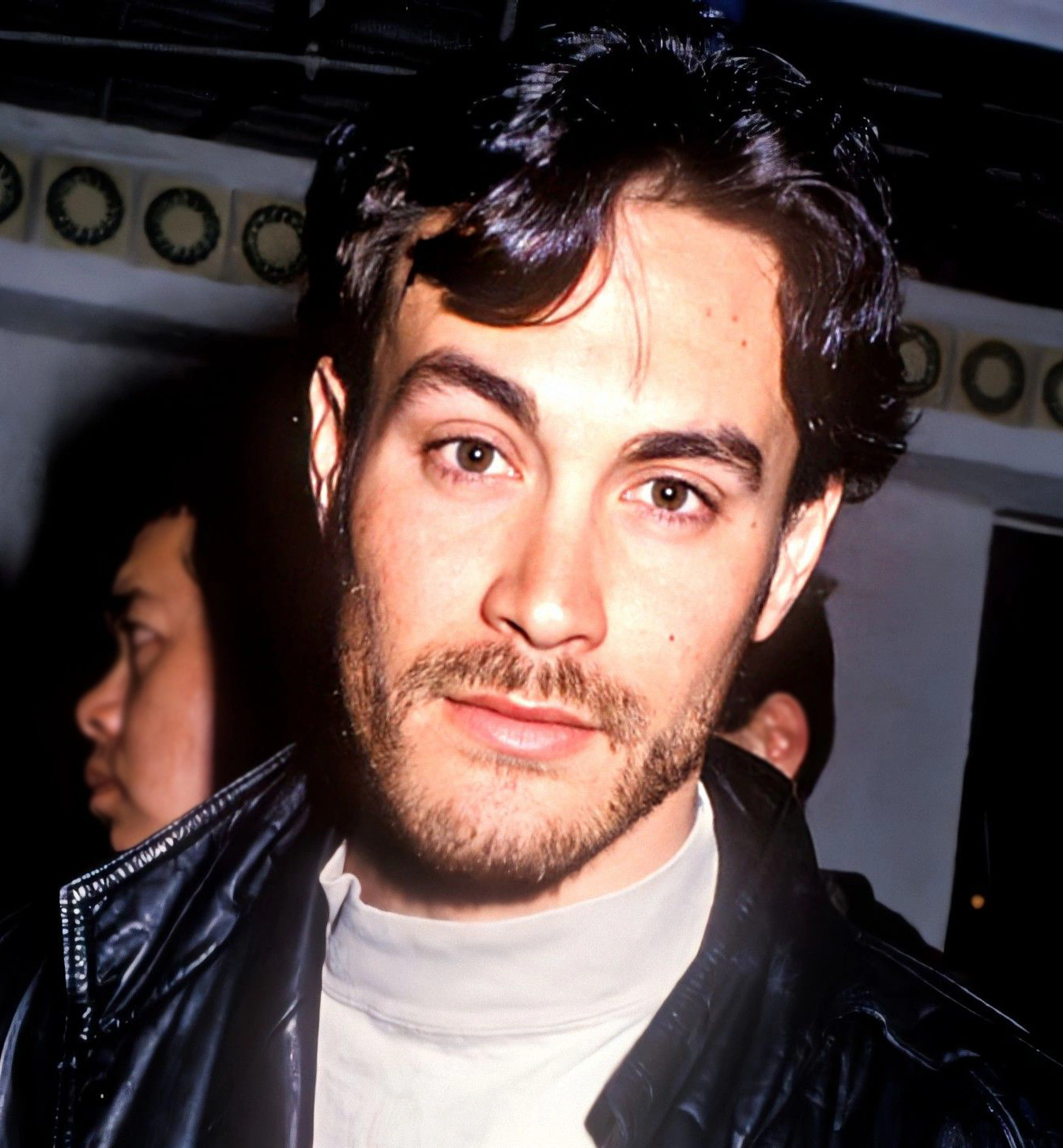
| 5 Quotes | |
| Born as | Brandon Bruce Lee |
| Occup. | Actor |
| From | USA |
| Spouse | Eliza Hutton |
| Born | February 1, 1965 Oakland, California, USA |
| Died | March 31, 1993 Wilmington, North Carolina, USA |
| Cause | Accidental shooting |
| Aged | 28 years |
| Cite | |
Citation Formats
APA Style (7th ed.)
Brandon lee biography, facts and quotes. (2026, February 11). FixQuotes. https://fixquotes.com/actors/brandon-lee/
Chicago Style
"Brandon Lee biography, facts and quotes." FixQuotes. February 11, 2026. https://fixquotes.com/actors/brandon-lee/.
MLA Style (9th ed.)
"Brandon Lee biography, facts and quotes." FixQuotes, 11 Feb. 2026, https://fixquotes.com/actors/brandon-lee/. Accessed 5 Mar. 2026.
Early Life and Family
Brandon Bruce Lee was born on February 1, 1965, in Oakland, California, the first child of martial arts icon and actor Bruce Lee and teacher and writer Linda Lee Cadwell. His early childhood unfolded between the United States and Hong Kong, reflecting his father's rapid rise from martial arts instructor to international film star. The family's life changed irrevocably with Bruce Lee's sudden death in 1973. Brandon was eight years old, and his mother relocated Brandon and his younger sister, Shannon Lee, back to the United States to build a more stable life away from the intense publicity in Hong Kong.Growing up in the shadow of a global legend, Brandon experienced both the weight of expectation and the pull of his own artistic ambitions. Those close to him often noted that while he respected his father's legacy, he was eager to be recognized as a performer in his own right. He retained a close bond with Linda and Shannon, and the family's resilience after Bruce's death shaped his outlook on work, training, and perseverance.
Education and Training
Brandon pursued acting seriously from a young age. He studied theater at Emerson College in Boston and later at the Lee Strasberg Theatre Institute in New York, concentrating on craft and technique rather than relying solely on martial arts prowess. In parallel, he continued martial arts training, studying Jeet Kune Do and related disciplines with Dan Inosanto, a renowned instructor and one of Bruce Lee's closest students. This blend of classical acting study and disciplined, adaptive martial arts would become the signature foundation of his screen presence.Early Career
His early acting break came on television with Kung Fu: The Movie (1986), where he appeared opposite David Carradine, connecting him to a franchise long associated with martial arts storytelling. The same year he made his Hong Kong cinema debut with Legacy of Rage, directed by Ronny Yu. The film showcased a physical intensity and emotional openness that would define his later work. He then appeared in the action thriller Laser Mission (1989), broadening his experience in international productions and sharpening his action screencraft.Determined not to be typecast merely as a martial artist, Brandon sought roles that allowed for humor, dramatic range, and moral complexity. He pursued opportunities that combined stunt work with character-driven narratives, working closely with coordinators and choreographers who could translate his agility and timing into coherent screen action.
Hollywood Momentum
Brandon's profile grew in the early 1990s. He co-starred with Dolph Lundgren in Showdown in Little Tokyo (1991), directed by Mark L. Lester, a neon-lit buddy-action film that displayed his comic timing and charisma. The following year, he headlined Rapid Fire (1992), directed by Dwight H. Little, where he carried an American action thriller with a confidence that suggested leading-man durability. The film's fights, shaped by modern martial arts choreography and influenced by collaborators such as Jeff Imada, emphasized fluid movement, clarity, and narrative purpose.The Crow
His defining role arrived with The Crow, directed by Alex Proyas and produced by Edward R. Pressman. Based on James O'Barr's graphic novel, the film offered a blend of gothic romance, tragedy, and vengeance, giving Brandon a character with psychological depth: musician Eric Draven, who returns from the dead to avenge his murdered fiancee. The production assembled a distinctive ensemble, including Ernie Hudson, Michael Wincott, and Rochelle Davis, and established a moody visual style under cinematographer Dariusz Wolski.As filming progressed in Wilmington, North Carolina, Brandon's performance drew praise for its vulnerability and intensity. He treated Eric Draven as a love story first and an action figure second, focusing on the character's grief and compassion as much as his rage. The role promised to free him from the narrow expectations of the action genre and position him as a versatile leading actor.
Personal Life
Outside of work, Brandon cultivated a private life grounded in close friendships and a deepening relationship with Eliza Hutton, to whom he became engaged. Friends and colleagues described him as thoughtful, generous, and often reflective about the pressures of legacy and fame. He remained close to his mother, Linda Lee Cadwell, and his sister, Shannon Lee, who supported his efforts to shape an identity distinct from, yet in conversation with, his father's enduring influence.Tragic Death
On March 31, 1993, during the filming of The Crow, Brandon was fatally injured in an on-set firearms accident. A sequence involving a prop gun led to the discharge of a projectile lodged in the barrel from an improperly prepared dummy round, and the force of a blank cartridge propelled it into his abdomen. He was rushed to New Hanover Regional Medical Center and underwent hours of surgery, but he died that day at age 28. The incident prompted industry-wide scrutiny of set safety, prop handling, and special-effects protocols.Production on The Crow was completed after his death using careful editing, stand-ins, and visual effects. His friend and stunt professional Chad Stahelski contributed as a double to help finish key sequences. The final cut was dedicated to Brandon and Eliza Hutton, and when the film was released in 1994 it was received as both a critical success and a poignant testament to his talent.
Legacy and Influence
Brandon Lee was laid to rest in Seattle's Lake View Cemetery beside his father, a physical symbol of the lineage and the loss that shaped public memory. Yet his legacy is not simply an echo of his father's; it is the record of an artist who aimed to combine rigorous acting with elegant, story-driven action. Colleagues recall a performer committed to rehearsals, timing, and the clarity of screen movement, often collaborating with stunt teams to prioritize safety and coherence without sacrificing intensity.The Crow became a cult classic, admired for its atmosphere and emotional core, and Brandon's portrayal of Eric Draven remains central to its enduring appeal. His earlier films, from Legacy of Rage to Rapid Fire, have been reassessed for their demonstration of a developing star stepping beyond familial expectations. Shannon Lee later carried forward the family's cultural work, while Linda Lee Cadwell advocated for careful stewardship of the Lee legacy, ensuring that Brandon's contributions were remembered on their own terms.
Brandon Lee's life and career were brief, but they left a lasting mark on action cinema and on the conversation about how performers reconcile heritage and individuality. His story continues to inspire actors and martial artists who value character as much as choreography, and his professionalism has been cited in ongoing discussions about set safety and responsible filmmaking. In the years since his passing, his work has stood as evidence of promise fulfilled in part, and of the artistry that might have followed had he been granted more time.
Our collection contains 5 quotes written by Brandon, under the main topics: Mortality - Legacy & Remembrance - Father - Self-Improvement.
Other people related to Brandon: John Shirley (Author), Michael Berryman (Actor)
Source / external links