
Charlize Theron Biography Quotes 30 Report mistakes
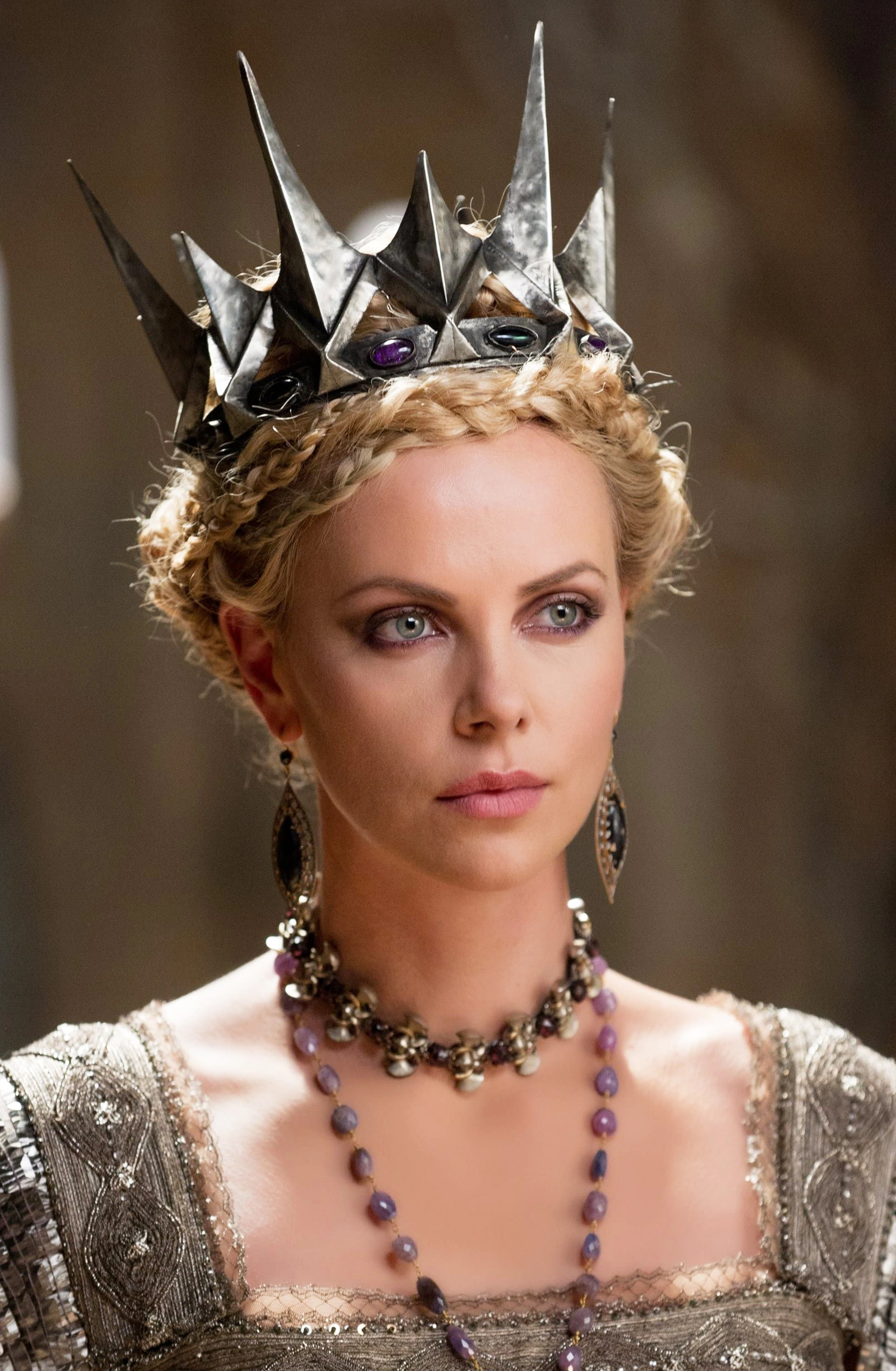
| 30 Quotes | |
| Occup. | Actress |
| From | South Africa |
| Born | August 7, 1975 Benoni, Transvaal, South Africa |
| Age | 50 years |
| Cite | |
Citation Formats
APA Style (7th ed.)
Charlize theron biography, facts and quotes. (2026, February 17). FixQuotes. https://fixquotes.com/actors/charlize-theron/
Chicago Style
"Charlize Theron biography, facts and quotes." FixQuotes. February 17, 2026. https://fixquotes.com/actors/charlize-theron/.
MLA Style (9th ed.)
"Charlize Theron biography, facts and quotes." FixQuotes, 17 Feb. 2026, https://fixquotes.com/actors/charlize-theron/. Accessed 5 Mar. 2026.
Early Life and Background
Charlize Theron was born on August 7, 1975, in Benoni, a working-class town east of Johannesburg, and raised on her familys farm outside the city. She grew up Afrikaans-speaking in the last, violent decades of apartheid, absorbing early how power works - who is protected, who is disposable, and how public myths can mask private damage. That South African backdrop, with its daily proximity to racialized coercion and its abrupt political reordering in the early 1990s, would later sharpen her instinct to treat glamour as a surface and survival as the story underneath.Her adolescence was marked by volatility at home. When she was 15, her mother, Gerda Maritz, shot and killed Therons father during a drunken assault in their house - an act later described as self-defense. The incident was traumatic and formative: it taught her that danger can arrive from the intimate sphere, and that a womans decisive force can be both necessary and socially judged. The combination of rural isolation, cultural conservatism, and sudden catastrophe produced a temperament that reads as controlled on camera but is powered by a hard, unsentimental clarity about risk.
Education and Formative Influences
Theron trained as a dancer, studying ballet in South Africa and later at the Joffrey Ballet School in New York City, where she also attended the Professional Childrens School. A knee injury ended her classical dance trajectory, but the discipline of bodily storytelling remained - precision, stamina, and the willingness to transform physically for a role. After moving to Los Angeles, a bank-teller dispute over a check reportedly drew the attention of talent agent John Crosby, and the episode became part of her personal mythology: the immigrant outsider whose anger, accent, and ambition were not softened for acceptance but used as fuel.Career, Major Works, and Turning Points
Therons early Hollywood years moved quickly from model-to-actor stereotypes into visible supporting work, including The Devils Advocate (1997) and The Cider House Rules (1999), before she began selecting roles that tested her range and her public image. The watershed was Monster (2003), in which her transformation into Aileen Wuornos - physical, psychological, and moral - won the Academy Award for Best Actress and permanently redefined her as a performer willing to court ugliness to find truth. She followed with choices that alternated between prestige and pop propulsion: North Country (2005), Young Adult (2011), Mad Max: Fury Road (2015) and Atomic Blonde (2017), then the broad, self-aware comedy of Long Shot (2019). Parallel to acting, she built control through production with Denver and Delilah, backing projects like Monster and later producing and starring in Bombshell (2019), while her Charlize Theron Africa Outreach Project (founded 2007) tied her global profile back to South African public-health urgencies, especially youth HIV prevention.Philosophy, Style, and Themes
Therons screen persona is often misread as purely formidable, but her best work is about the cost of armor: women learning the price of being believed, safe, or simply left alone. Even in action roles, she plays competence as a bruised skill rather than a fantasy - Furiosas rage in Fury Road is grief with a job to do, and her physicality carries the memory of dance: lines, balance, and controlled impact. As a producer-performer, she tends to widen the frame around female characters who are punished for ambition, sexuality, or anger, insisting that the narrative include institutions - workplaces, courts, media ecosystems - not just individual flaws.Her psychology as an artist is structured around limits: what can be willed into existence, and what remains outside control. “Theres only so much you can do, but if somebody doesnt give you a chance, there is nothing you can do”. That admission of dependency - on gatekeepers, timing, and cultural appetite - helps explain her dual strategy: prove undeniable as an actor while building leverage as a producer. It also underpins her sensitivity to the social penalties attached to self-possession: “I think today women are very scared to celebrate themselves because then they just get labeled”. In Therons work, the label is rarely just a word; it is a system that rationalizes harm, whether the target is an abused killer in Monster, a harassed miner in North Country, or women navigating the reputational economy in Bombshell. Even her public statements about moral issues tilt toward uncomfortable nuance rather than ideological theater: “Countries and states which have capital punishment have a much higher rate of murder and crime than countries that do not, so that makes sense to me, and the moral question - I struggle with it morally”. That blend of evidence and unease mirrors her performances, which often refuse the viewers desire for clean verdicts.
Legacy and Influence
Therons lasting influence lies in how she fused movie-star scale with character-actor risk, making transformation and authority compatible with mainstream appeal. She helped normalize the modern model of the actor as power-broker - not only headlining franchises, but initiating material, hiring filmmakers, and shaping set culture - while keeping her art tied to questions of gendered credibility and bodily autonomy. For audiences and younger performers, especially women, her career became a blueprint: beauty need not be the story, toughness can coexist with vulnerability, and control is not vanity but a tool for survival and for better work.Our collection contains 30 quotes written by Charlize, under the main topics: Witty One-Liners - Motivational - Ethics & Morality - Funny - Justice.
Other people related to Charlize: David Fincher (Director), Christina Ricci (Actress), Tobey Maguire (Actor), Paul Haggis (Director), Ron Livingston (Actor), Lasse Hallstrom (Director), Joel Gretsch (Actor), Chris Hemsworth (Actor), Peter Berg (Actor), Lee Tergesen (Actor)
Source / external links