
Cheryl Crawford Biography Quotes 2 Report mistakes
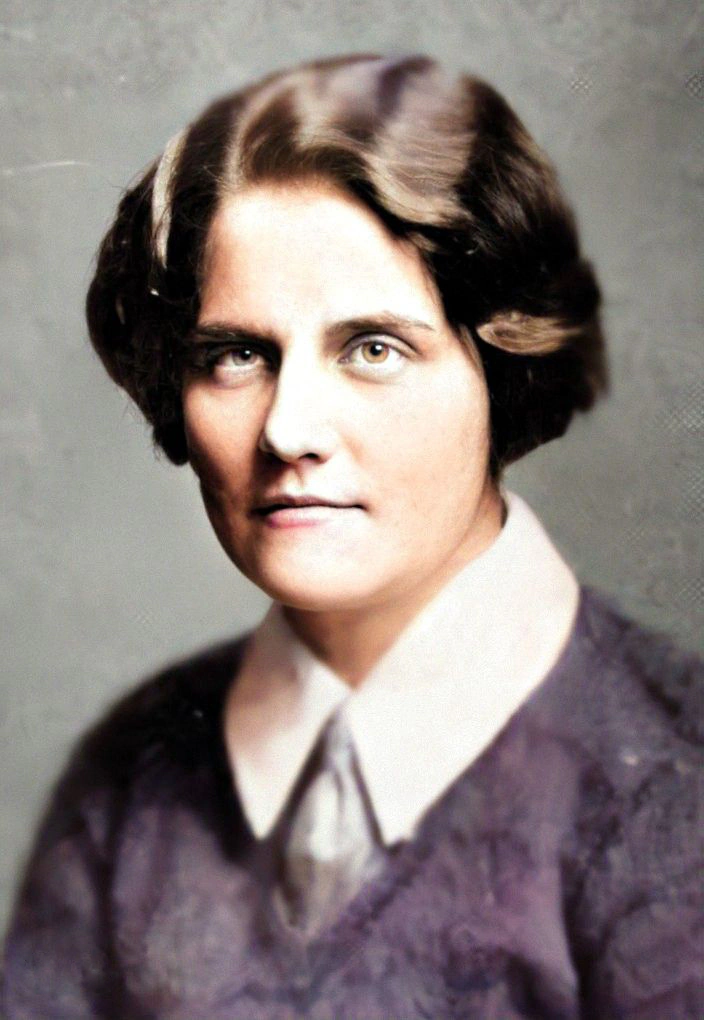
| 2 Quotes | |
| Occup. | Actress |
| From | USA |
| Born | September 24, 1902 Akron, Ohio |
| Died | October 7, 1986 |
| Aged | 84 years |
| Cite | |
Citation Formats
APA Style (7th ed.)
Cheryl crawford biography, facts and quotes. (2026, February 11). FixQuotes. https://fixquotes.com/actors/cheryl-crawford/
Chicago Style
"Cheryl Crawford biography, facts and quotes." FixQuotes. February 11, 2026. https://fixquotes.com/actors/cheryl-crawford/.
MLA Style (9th ed.)
"Cheryl Crawford biography, facts and quotes." FixQuotes, 11 Feb. 2026, https://fixquotes.com/actors/cheryl-crawford/. Accessed 6 Mar. 2026.
Early Life and Background
Cheryl Crawford was born Cheryl Mae Crawford on September 24, 1902, in Akron, Ohio, at the hinge of two Americas - the late-Victorian world of small-city industry and the fast, amplified modernity that would arrive with mass entertainment. Ohio in her youth meant factories, storefront churches, and a practical civic culture that prized competence; it also meant proximity to the touring circuits that fed vaudeville and early Broadway with hungry talent. The stage was not an abstraction where she grew up but a working trade, a place where labor and glamour coexisted.Her adulthood would be spent in New York, but the self she carried there was shaped by the Midwest's suspicion of pretense and by the new century's insistence on organization. That mix later made her an unusual theatrical figure: not primarily a star or public intellectual, but a builder of conditions - rehearsal rooms, ensembles, budgets, and schedules - in which other people's brilliance could become repeatable. Her reputation as an actress has endured in biographical shorthand, yet her lasting imprint came from the infrastructural side of art, where temperament and stamina matter as much as talent.
Education and Formative Influences
Crawford's most decisive training was not conservatory schooling so much as immersion in the interwar theater's professional culture, where craft was learned by watching directors solve problems in real time and by absorbing the new psychology of performance that was spreading through American acting studios. The ferment of the 1920s and early 1930s - modernist writing, social-realist currents, and a growing appetite for serious drama - supplied her with a lifelong conviction that theater had to be both aesthetically ambitious and practically sustainable, a dual demand that would define her choices.Career, Major Works, and Turning Points
By the late 1930s and 1940s she emerged as a key organizer and producer within New York's progressive theater world, most prominently as one of the founding forces behind the Group Theatre's successor energies and, later, as a founder of the American Repertory Theater in New York (often associated with Eva Le Gallienne and Margaret Webster), an attempt to establish a resident, high-standard repertory model in an ecosystem dominated by commercial runs. Her career arc is best read as a series of institutional gambles: creating ensembles, shepherding repertory seasons, and fighting for artistic seriousness while negotiating the harsh arithmetic of rent, payroll, and box office. When these ventures faltered, it was rarely for lack of taste; the turning point was always the collision between ideal repertory principles and the fragile economics of mid-century American theater.Philosophy, Style, and Themes
Crawford's inner life, as glimpsed through her recorded assessments of colleagues and responsibilities, reveals a temperament drawn to mentorship and systems rather than limelight. She evaluated talent in terms of function, not myth - a lens that made her unusually candid about the mismatch between artistic gifts and administrative demands. “Lee's great gifts are teaching and inspirational guidance, not administration and management”. That sentence, aimed at Lee Strasberg, also doubles as a self-portrait of Crawford's worldview: she believed the theater collapses when it confuses inspiration with governance, and she positioned herself as the person who would not confuse them.Her style was therefore managerial in the highest sense - not bureaucratic, but structural. Crawford measured art by what it required to live night after night: rehearsal discipline, a psychologically coherent company, and a financial spine. When she said, “My major task was to keep us solvent”. , she was not offering a complaint but naming an ethic. In her logic, solvency was not the enemy of art; it was the precondition for risk, for repertory continuity, for giving actors time to deepen rather than merely survive. The recurring theme of her work is the quiet heroism of maintenance, the kind that rarely earns applause yet determines whether a theater can keep its promises to artists and audiences.
Legacy and Influence
Crawford died on October 7, 1986, after a life spent insisting that American theater needed both daring aesthetics and hard governance. Her enduring influence lies less in a single title than in a model of cultural stewardship: the producer as guardian of ensemble life, the person who protects rehearsal time, shapes institutions, and keeps art tethered to reality without surrendering its ambition. In an era that often canonized directors and stars, Crawford helped define the invisible architecture behind serious performance in the United States - a legacy felt wherever repertory ideals are pursued with professional rigor.Our collection contains 2 quotes written by Cheryl, under the main topics: Leadership - Money.
Other people related to Cheryl: Stella Adler (Actress), Clifford Odets (Playwright), James Lipton (Educator), Steven Hill (Actor)
Source / external links