
Dana Plato Biography Quotes 15 Report mistakes
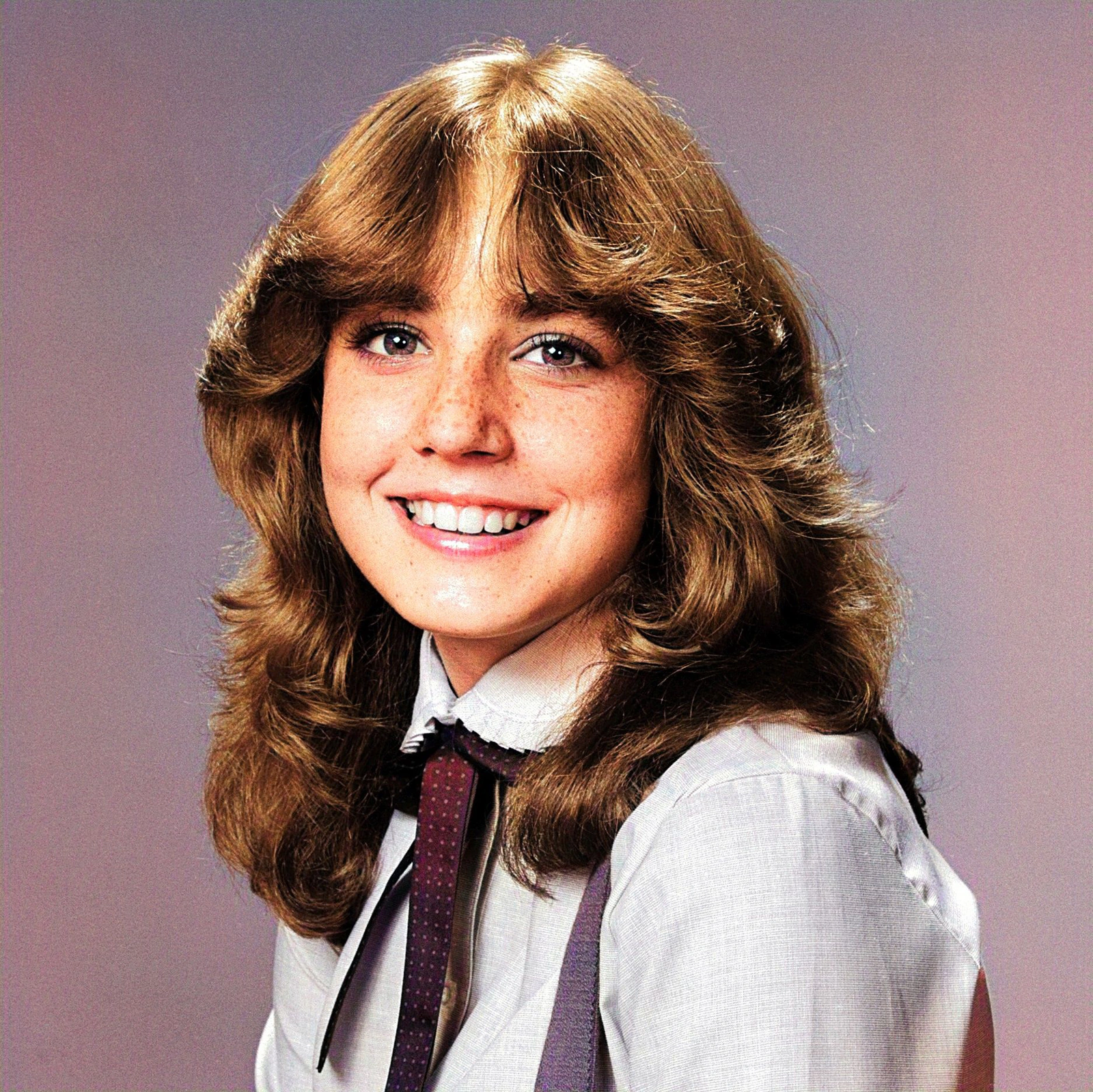
| 15 Quotes | |
| Born as | Dana Michelle Plato |
| Occup. | Actress |
| From | USA |
| Born | November 7, 1964 Maywood, California, USA |
| Died | May 8, 1999 Moore, Oklahoma, USA |
| Cause | Drug overdose |
| Aged | 34 years |
| Cite | |
Citation Formats
APA Style (7th ed.)
Dana plato biography, facts and quotes. (2026, February 11). FixQuotes. https://fixquotes.com/actors/dana-plato/
Chicago Style
"Dana Plato biography, facts and quotes." FixQuotes. February 11, 2026. https://fixquotes.com/actors/dana-plato/.
MLA Style (9th ed.)
"Dana Plato biography, facts and quotes." FixQuotes, 11 Feb. 2026, https://fixquotes.com/actors/dana-plato/. Accessed 5 Mar. 2026.
Early Life and Background
Dana Michelle Plato was born on November 7, 1964, in Maywood, California, and was adopted as an infant by Dean and Florine Plato, a middle-class couple who soon relocated to the San Fernando Valley. Her childhood unfolded in the long shadow of postwar Southern California - a landscape of studios, auditions, and suburban aspiration - where the entertainment industry sat close enough to seem normal, yet demanding enough to distort what "normal" felt like.From early on, Plato moved through life at a professional tempo. As a child model and commercial actor she learned cues, lights, and adult expectations before she had the language for boundaries. The attention could be intoxicating, but it also created a private loneliness: a kid praised for being "natural" while being trained to produce that naturalness on command. That contradiction - loved in public, uncertain in private - became a quiet engine of her later choices.
Education and Formative Influences
Plato attended schools in the Valley while working steadily, with education repeatedly interrupted by sets and travel; her real classroom was the audition circuit and the discipline of hitting marks, taking direction, and resetting emotions for another take. By her teens she was shaped less by a single mentor than by the system itself: the late-1970s boom in youth-centered TV, the camera-ready ideal of the "all-American" girl, and the unspoken rule that personal development was secondary to employability.Career, Major Works, and Turning Points
After small roles and commercials, Plato became a household name as Kimberly Drummond on NBC's Diff'rent Strokes (1978-1986), where her bright, vulnerable presence anchored storylines about family, class, and the period's appetite for "issues" with a laugh track. Fame arrived fast and froze her in a single image - the wholesome teen next door - even as she aged into adulthood. In 1984 she left the series after becoming pregnant; her son, Tyler Edward Lambert, was born in 1984, and the departure marked the first public rupture between her life and her role. Work continued in smaller films and TV appearances, but the 1990s brought escalating tabloid scrutiny, financial instability, substance-use struggles, and highly publicized legal trouble, including a 1991 armed robbery charge and later arrests linked to prescription drugs. The decade culminated in a bleak sequence of personal losses and reduced opportunities; Plato died on May 8, 1999, of an overdose in Oklahoma, a death that was quickly read as both individual tragedy and industry symptom.Philosophy, Style, and Themes
Plato's screen style was built on immediacy: an open face, quick shifts from comedy to hurt, and a sense that the joke always lived beside the wound. On Diff'rent Strokes, that quality made Kimberly more than a stereotype of innocence; she often played the anxious conscience of the household, reacting to crises with an earnestness that felt lived-in rather than performed. Offscreen, interviews from her later years show a person trying to rebuild agency after years of being interpreted by others - fans, producers, tabloids, courts - and trying to name a self that existed beyond the character she could not outgrow.Her stated beliefs reveal a psychology oriented toward intuition and self-permission, but battered by outside pressure. “I've learned through experience that life is never that bad. The secret is just paying attention to how you feel and not letting anyone else dictate what in your heart you know is right”. That insistence on inner authority reads like a corrective to child stardom, where other people's "right" becomes the schedule, the script, the brand. She also framed suffering as partly structural rather than purely personal: “People have an awful lot of problems that society has put on them and a lot to work through because of it”. In that sentence is both self-defense and diagnosis - a recognition that shame and addiction do not arise in a vacuum, especially for women whose currency is youth and compliance. Yet she also claimed a stubborn, hard-won self-acceptance: “I'm okay in my skin, you know... I'm okay with who I am”. Taken together, these lines sketch a woman reaching for steadiness - not denying damage, but trying to locate a center that fame and failure could not entirely erase.
Legacy and Influence
Dana Plato endures as one of the most cautionary and human figures of late-20th-century American celebrity: a child actor who embodied sitcom reassurance while privately absorbing the costs of early labor, sexualized attention, and relentless public judgment. Her story has become a reference point in conversations about child-performer protections, addiction stigma, and the gendered harshness of tabloid culture in the 1980s and 1990s. Yet reducing her to a morality tale misses her real imprint: a performer whose vulnerability made millions care, and whose later insistence on inner truth - however unevenly lived - still resonates in an era newly alert to the mental health toll of being watched.Our collection contains 15 quotes written by Dana, under the main topics: Justice - Friendship - Live in the Moment - Movie - Anxiety.
Other people related to Dana: Charlotte Rae (Actress)
Source / external links