
Daniel Day-Lewis Biography Quotes 27 Report mistakes
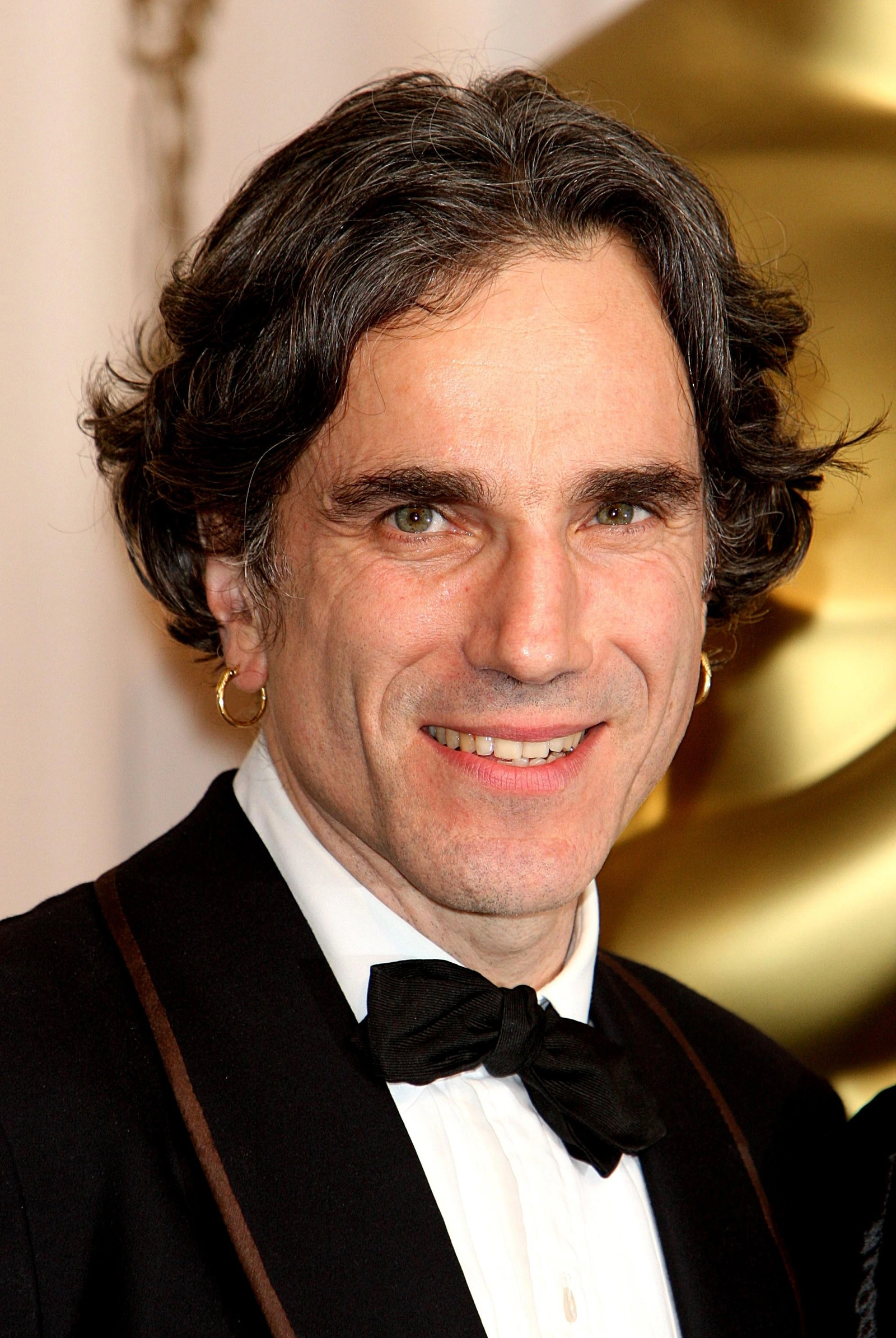
| 27 Quotes | |
| Occup. | Actor |
| From | United Kingdom |
| Born | April 29, 1957 |
| Age | 68 years |
| Cite | |
Citation Formats
APA Style (7th ed.)
Daniel day-lewis biography, facts and quotes. (2026, February 11). FixQuotes. https://fixquotes.com/actors/daniel-day-lewis/
Chicago Style
"Daniel Day-Lewis biography, facts and quotes." FixQuotes. February 11, 2026. https://fixquotes.com/actors/daniel-day-lewis/.
MLA Style (9th ed.)
"Daniel Day-Lewis biography, facts and quotes." FixQuotes, 11 Feb. 2026, https://fixquotes.com/actors/daniel-day-lewis/. Accessed 26 Mar. 2026.
Early Life and Background
Daniel Michael Blake Day-Lewis was born on April 29, 1957, in London, into a household where art was not ornament but atmosphere. His father, Cecil Day-Lewis, was a celebrated poet who became Poet Laureate of the United Kingdom; his mother, Jill Balcon, had been an actress and was the daughter of Sir Michael Balcon, a key figure at Ealing Studios. From the start, he lived at the intersection of letters and film, with English cultural institutions close enough to feel like neighbors rather than monuments.Cecil Day-Lewis died when Daniel was nine, a loss that deepened the family quiet and sharpened the boy's attention to craft and identity. He moved between a rarified London world and more ordinary social terrains, and he learned early how quickly accent, posture, and confidence can become armor. That sensitivity to class codes and the performance of belonging would later surface in roles that feel less like impersonations than lived environments.
Education and Formative Influences
He attended the independent Sevenoaks School in Kent and later trained at the Bristol Old Vic Theatre School, emerging in the late 1970s as British theatre was absorbing new realism and political edge after the upheavals of the previous decade. The discipline of repertory work and stage tradition met a generation increasingly suspicious of polish for its own sake; Day-Lewis absorbed both impulses, using classical technique to pursue something rawer and less complacent.Career, Major Works, and Turning Points
After early screen work including a small appearance in Gandhi (1982), he broke through with a run of exacting performances: My Beautiful Laundrette (1985) captured the collisions of Thatcher-era Britain; A Room with a View (1985) showed his command of period manners; and My Left Foot (1989) brought his first Academy Award for portraying Christy Brown with a physical and emotional rigor that became legend. He followed with The Last of the Mohicans (1992), In the Name of the Father (1993), and a long, deliberate arc of choices that treated each film as a total life rather than a job. Collaborations with writers and directors of strong authorial vision - notably Martin Scorsese in Gangs of New York (2002) and later Lincoln (2012), Paul Thomas Anderson in There Will Be Blood (2007) and Phantom Thread (2017), and Steven Spielberg for Lincoln - yielded roles that won him a record three Best Actor Oscars (My Left Foot, There Will Be Blood, Lincoln). Periodic withdrawals from acting, including years away from film in the 1990s, reinforced an image of an artist guarding his inner resources; in 2017 he announced retirement after Phantom Thread, a final performance built from restraint, menace, and tenderness.Philosophy, Style, and Themes
Day-Lewis is often described as a "method" actor, but his signature is less a single technique than an all-consuming attentiveness to the ecology of a set, a script, and a character's daily rituals. He has argued that the social weather around a filmmaker shapes the work: “How people are around a director, it really does affect everything, every detail of the life of the movie”. That conviction helps explain his selective collaborations and the sense that, for him, craft is moral as well as aesthetic - a collective discipline where tone, trust, and authority alter what can be risked in front of a camera.Psychologically, his art turns on a controlled surrender - a willingness to be transformed, paired with suspicion of easy explanations. He has said, “I suppose I have a highly developed capacity for self-delusion, so it's no problem for me to believe that I'm somebody else”. The line is revealing because it frames transformation not as mystical possession but as a chosen illusion, sustained long enough to generate truth. Many of his defining characters are men intoxicated by their own narratives - Daniel Plainview's brutal self-invention, Bill the Butcher's theatrical patriotism, Abraham Lincoln's melancholy political fables, Reynolds Woodcock's etiquette of domination - and Day-Lewis plays them as builders of inner worlds that both protect and poison them. His pacing reflects the cost of that immersion; he acknowledges that the center of a production carries a peculiar dread: “Being at the centre of a film is a burden one takes on with innocence the first time. Thereafter, you take it on with trepidation”. Behind the public myth of intensity is an ethic of preservation: fewer roles, deeper digging, and an insistence that the private self must survive the work.
Legacy and Influence
Day-Lewis endures as a benchmark for seriousness in modern screen acting, not because intensity is rare, but because his intensity is structured - anchored in voice, labor, historical texture, and a refusal to wink at the audience. He helped redefine what prestige performance could look like in an era of fast production cycles: slower, riskier, and psychologically uncompromising, yet still widely legible. Actors cite him for the depth of preparation, directors for the clarity of his commitment, and viewers for the uncanny feeling that a character has a whole life offscreen. His retirement has only sharpened the lesson of his career: that scarcity can be an artistic choice, and that the most lasting performances are often built from patience, fear, and exacting love of the craft.Our collection contains 27 quotes written by Daniel, under the main topics: Truth - Nature - Life - Work Ethic - Movie.
Other people related to Daniel: Jeremy Northam (Actor), Marion Cotillard (Actress), Philip Kaufman (Director), Rebecca Miller (Director), Michael Mann (Director), Simon Callow (Actor), James Lipton (Educator), Madeleine Stowe (Actress)
Source / external links