
Daphne Zuniga Biography Quotes 22 Report mistakes
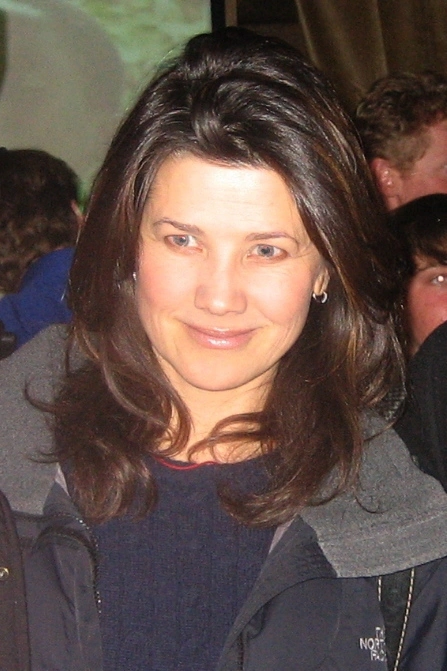
| 22 Quotes | |
| Occup. | Actress |
| From | USA |
| Born | October 28, 1962 |
| Age | 63 years |
| Cite | |
Citation Formats
APA Style (7th ed.)
Daphne zuniga biography, facts and quotes. (2026, February 11). FixQuotes. https://fixquotes.com/actors/daphne-zuniga/
Chicago Style
"Daphne Zuniga biography, facts and quotes." FixQuotes. February 11, 2026. https://fixquotes.com/actors/daphne-zuniga/.
MLA Style (9th ed.)
"Daphne Zuniga biography, facts and quotes." FixQuotes, 11 Feb. 2026, https://fixquotes.com/actors/daphne-zuniga/. Accessed 12 Feb. 2026.
Early Life and Background
Daphne Eurydice Zuniga was born on October 28, 1962, in San Francisco, California, into a household shaped by migration, faith, and argument. Her father, Joaquin Zuniga, came from Guatemala and worked in business; her mother, Agnes A. Zuniga (nee Rowe), was an Episcopal priest and a vocal feminist. The blend of Latin American family history and an American Bay Area childhood placed her early inside questions of identity, power, and belonging, themes that would later surface in the kinds of women she gravitated toward onscreen: smart, funny, self-protective, and quick to puncture pretension.Her parents divorced when she was young, and she grew up largely with her mother. Zuniga has described a home atmosphere that prized independence and skepticism about conventional gender roles. That interior climate mattered as much as geography: even when she played light comedy, her humor often carried an edge of appraisal, as if the character had been trained to read the room before choosing whether to charm it or challenge it.
Education and Formative Influences
As a teenager she moved from an urban environment to rural New England, later recalling the cultural whiplash: "When I was in high school I moved from the big city to a tiny village of 500 people in Vermont. It was like The Waltons!" The contrast - city complexity versus small-town scrutiny - sharpened her observational instincts. She later studied theater at the University of California, Los Angeles, and entered acting at a moment when American film and television were renegotiating the image of the "career woman": competent, ironic, and no longer obliged to be agreeable to be legible.Career, Major Works, and Turning Points
Zuniga broke in during the early 1980s with film work that quickly established her as a nimble comic presence, notably in The Sure Thing (1985) as Alison, a role that balanced romantic comedy with a guarded intelligence. In 1987 she appeared in Mel Brooks' Spaceballs, a pop-cultural touchstone that has remained her most widely recognized credit, a fact she has acknowledged with good-humored realism. She moved fluidly between independent features and mainstream projects, later anchoring long-running television as Jo Reynolds on the primetime soap Melrose Place (1992-1996), where her character's warmth and self-respect provided an emotional counterweight to the show's heightened melodrama. Over the years she continued working steadily in television films, guest roles, and series, building a career defined less by a single reinvention than by durability and tonal range.Philosophy, Style, and Themes
Zuniga's performances often suggest a private ledger behind the eyes - the sense that a character is deciding what is safe to reveal. That psychological posture maps to the household she has described, where humor was also critique: "My mom was sarcastic about men. She would tell me Adam was the rough draft and Eve was the final product. She was a feminist minister, an earth mom who wore a bra only on Sundays". The line is funny, but it also sketches an ethic: refuse easy authority, and use wit as both shield and scalpel. In romantic and workplace stories, Zuniga frequently played women who negotiate desire without surrendering judgment, letting comedy coexist with boundaries.Her craft is also grounded in a disciplined, almost devotional commitment to acting as labor rather than mystique. "Before I do a movie, I watch Meryl Streep movies over and over. It's not to mimic her. It's to remind myself to be more committed". That sentence reveals a psychology of self-management: she renews courage by studying commitment, returning to a standard that refuses half-measures. Alongside performance, she has spoken publicly about social and environmental concerns, framing apathy as a moral emergency: "People can be so apathetic. They continue to ignore the real people trapped in poverty and homelessness. It's almost maddening". The throughline is accountability - to craft, to conscience, and to the reality behind entertainment's glossy surfaces.
Legacy and Influence
Zuniga's enduring influence lies in the particular kind of credibility she brought to popular forms. In 1980s comedy she embodied a modern romantic heroine who could be desirable without being dazzled; in 1990s serial television she helped define the era's template of the professional woman navigating friendship, love, and ambition under pressure. Her career also models longevity: a working actor sustaining relevance across shifting industry tastes, while keeping a public voice for causes she finds urgent. For audiences, she remains a familiar presence - often remembered first for Spaceballs and rediscovered through Melrose Place - but her deeper legacy is the steady insistence, role after role, that intelligence and humor can be forms of integrity.Our collection contains 22 quotes written by Daphne, under the main topics: Witty One-Liners - Art - Love - Nature - Live in the Moment.
Other people related to Daphne: Courtney Thorne Smith (Actress)
Source / external links