
Dennis Weaver Biography Quotes 21 Report mistakes
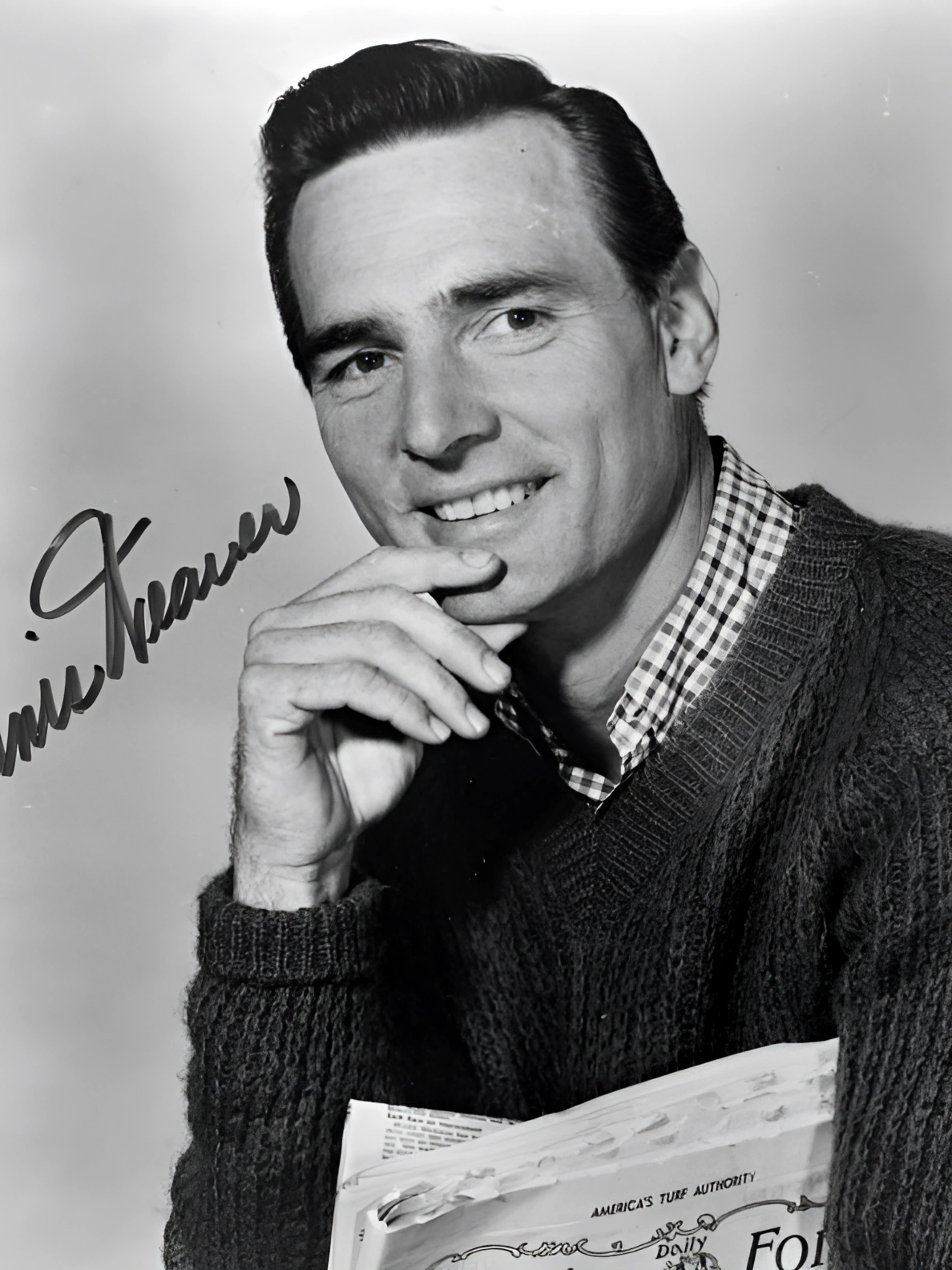
Attr: wallofcelebrities.com
| 21 Quotes | |
| Occup. | Actor |
| From | USA |
| Born | June 4, 1924 |
| Died | February 24, 2006 |
| Aged | 81 years |
| Cite | |
Citation Formats
APA Style (7th ed.)
Dennis weaver biography, facts and quotes. (2026, February 11). FixQuotes. https://fixquotes.com/actors/dennis-weaver/
Chicago Style
"Dennis Weaver biography, facts and quotes." FixQuotes. February 11, 2026. https://fixquotes.com/actors/dennis-weaver/.
MLA Style (9th ed.)
"Dennis Weaver biography, facts and quotes." FixQuotes, 11 Feb. 2026, https://fixquotes.com/actors/dennis-weaver/. Accessed 6 Mar. 2026.
Early Life and Background
Dennis Weaver was born June 4, 1924, in Joplin, Missouri, and grew up in the hard-edged pragmatism of the American Midwest during the Great Depression. That era taught thrift, neighborliness, and a clear-eyed sense that institutions could fail ordinary people - a mood that later made his on-screen authority feel earned rather than performed. He moved within a culture shaped by radio dramas, traveling shows, and the steady mythmaking of the frontier, where virtue was measured in self-control and usefulness.World War II marked his generation with both discipline and disillusion. Weaver served in the U.S. Navy as a pilot trainee, but an accident ended his flying ambitions, redirecting his appetite for performance and leadership toward the stage. The abrupt change left him with a lifelong attentiveness to vulnerability behind competence - a tension that would animate his best roles: men who seem steady until pressure exposes the cost of being steady.
Education and Formative Influences
After the war, Weaver studied at the University of Oklahoma and later trained as an actor in New York at the Actors Studio, absorbing the postwar turn toward psychological realism. He also performed in Broadway and touring productions, learning how rhythm, restraint, and silence can carry moral weight. Those years coincided with the rise of television and the anxieties of the Cold War, when American masculinity on screen was being renegotiated - less mythic, more domestic, and more haunted by consequences.Career, Major Works, and Turning Points
Weaver broke through as Chester Goode, the limping deputy on the long-running Western series Gunsmoke (CBS, 1955-1964), a role that made him a familiar national presence and a quiet counterpoint to the show's stoic heroism. He pivoted from sidekick to lead in the TV film and series Duel (1971) and McCloud (NBC, 1970-1977), playing a New Mexico lawman dropped into New York City, where his rural clarity collided with urban complexity; the character became a vessel for Weaver's signature mix of decency and stubborn independence. His later work broadened into popular miniseries and guest roles, while off-screen he increasingly invested his celebrity in environmental causes, building a second public identity as an advocate and producer aligned with ecological responsibility.Philosophy, Style, and Themes
Weaver's acting style was built on compressed emotion: a plainspoken exterior with a flicker of doubt in the eyes, an unforced humor that protected the character from sentimentality. Even in procedural frameworks, he played men who had to negotiate the moral costs of power - sheriffs, deputies, and investigators whose authority was always provisional. That sensibility fit an America moving from frontier certainties to environmental and geopolitical limits, and he began to speak with unusual urgency about what those limits demanded of individual conscience. “Changing mass consciousness is an individual responsibility”. In his worldview, the drama was not only on screen; it was the daily decision to accept inconvenience in exchange for a livable future.His environmental rhetoric was not romantic pastoralism but a practical ethics rooted in accountability and repair, the same ethic that made his characters credible: responsibility was not abstract, it was personal. “We're the only species that have crapped up the planet and the only species that can clean it up”. He framed ecological action as compatible with prosperity rather than opposed to it, challenging the era's false tradeoffs with an actor's instinct for clear stakes: “We don't have to sacrifice a strong economy for a healthy environment”. That triad - individual duty, collective consequence, and grounded optimism - became the throughline connecting his performances to his activism.
Legacy and Influence
Dennis Weaver died February 24, 2006, in Ridgway, Colorado, leaving behind a body of work that helped redefine television masculinity from invulnerable icon to morally responsive citizen. Chester Goode and Sam McCloud endure because they embody competence without cruelty and strength without theatrical dominance, while Weaver's later public advocacy helped normalize the idea that mainstream entertainers could argue for environmental stewardship in the language of everyday practicality. His influence persists in the "outsider with integrity" TV archetype and in the expectation that a public figure's inner life - what he fears, what he owes, what he hopes to repair - can matter as much as his roles.Our collection contains 21 quotes written by Dennis, under the main topics: Motivational - Ethics & Morality - Nature - Freedom - Movie.