
Dinah Sheridan Biography Quotes 14 Report mistakes
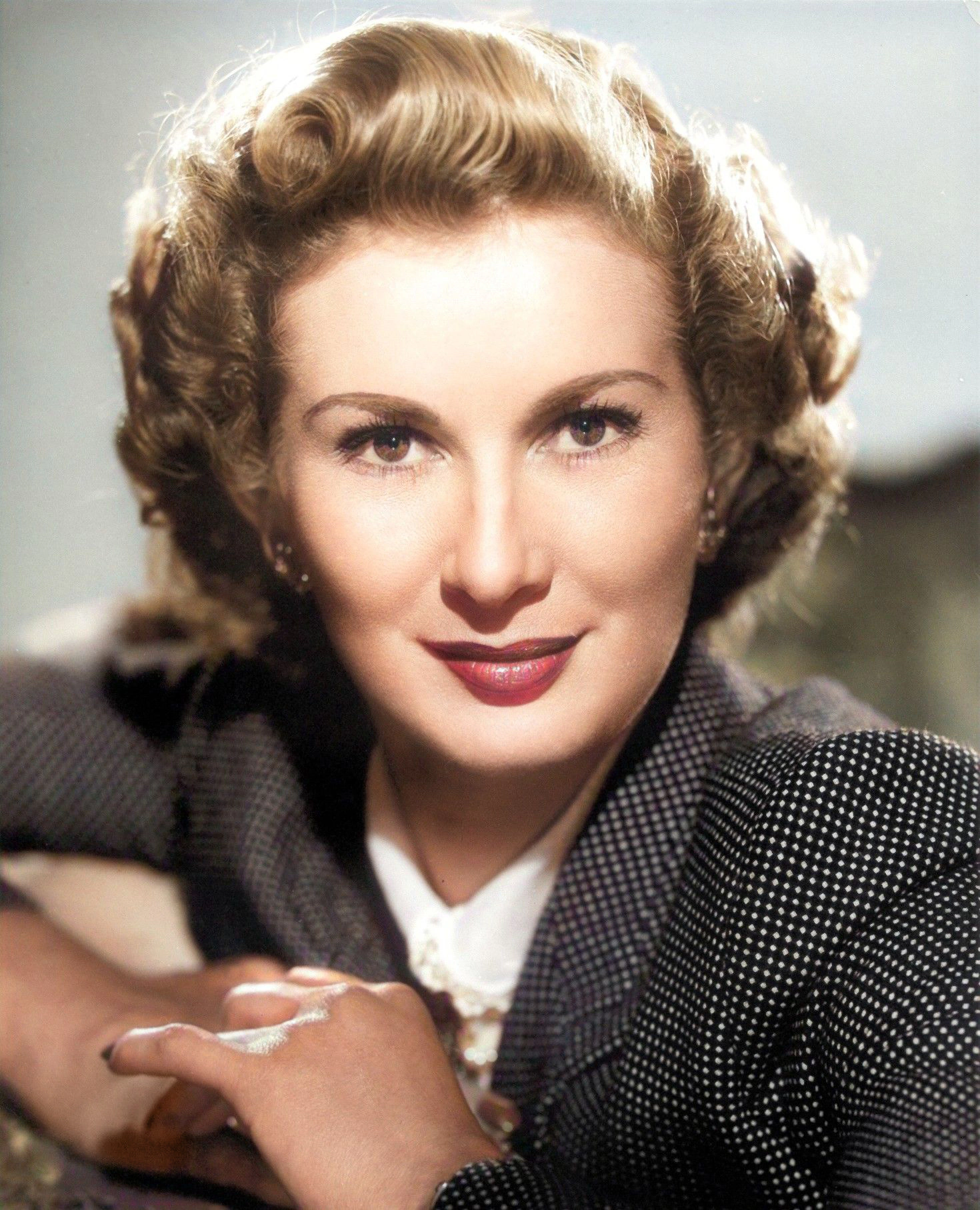
| 14 Quotes | |
| Born as | Dinah N. Ginsburg |
| Occup. | Actress |
| From | England |
| Born | September 17, 1920 Hampstead, London, England, U.K. |
| Age | 105 years |
| Cite | |
Citation Formats
APA Style (7th ed.)
Dinah sheridan biography, facts and quotes. (2026, February 11). FixQuotes. https://fixquotes.com/actors/dinah-sheridan/
Chicago Style
"Dinah Sheridan biography, facts and quotes." FixQuotes. February 11, 2026. https://fixquotes.com/actors/dinah-sheridan/.
MLA Style (9th ed.)
"Dinah Sheridan biography, facts and quotes." FixQuotes, 11 Feb. 2026, https://fixquotes.com/actors/dinah-sheridan/. Accessed 27 Mar. 2026.
Early Life and Background
Dinah Sheridan was born Dinah N. Ginsburg on 17 September 1920 in England, growing up between the lingering aftershocks of the First World War and the social churn that preceded the second. Her formative years were marked by the ordinary austerities of interwar Britain - tightened household economies, ration-minded habits even before rationing, and a culture in which respectability carried real weight for a young woman seeking a public life. In that atmosphere, the desire to perform could feel both like a private compulsion and a public risk: a hunger for reinvention set against an island instinct for restraint.The England of Sheridan's youth prized clear class signals and quiet endurance, and it also produced a robust popular entertainment culture - theatre, touring companies, and later the consolidating influence of radio and cinema. These were not merely distractions; they were social classrooms. Sheridan emerged from that environment with an actor's sensitivity to what people do not say, and with an instinct for playing women whose surface composure conceals complicated negotiations with duty, love, and self-protection.
Education and Formative Influences
She trained for the stage and screen in a period when British acting education emphasized voice, posture, and emotional control - disciplines shaped by repertory theatre and by the microphone's demand for precision. The war years and their aftermath accelerated film production and audience appetite for stories that steadied morale; for a young performer, this meant learning to make craft look like ease, and to project intimacy without theatrical excess. Sheridan absorbed those lessons early, developing a technique that could turn small shifts in tone and timing into character history.Career, Major Works, and Turning Points
Sheridan built her reputation in British cinema and television as the industry moved from wartime realism to postwar wit and domestic comedy, then into the richer color and confidence of the 1950s and 1960s. A key turning point was her association with films that allowed her to modulate between romantic sparkle and grounded emotion, most famously in the classic comedy Genevieve (1953), whose ensemble balance showcased her ability to be both funny and psychologically credible. Later, she became part of the texture of family viewing through The Railway Children (1970), a film whose nostalgic portrait of Edwardian childhood also underlined her talent for portraying steadiness under strain. Across the arc of her career, she navigated an industry that could be both glamorous and limiting, sustaining longevity by choosing roles that treated women as more than decorative plot devices.Philosophy, Style, and Themes
Sheridan's inner life, as it appears through her reflections and her screen choices, suggests an artist alert to the total manufacture of a film - the way sound, rhythm, and ensemble energy alter performance. “While making Genevieve, I learned there could be a lot more to a film than just acting in it”. That awareness reads as psychological self-defense as much as professional growth: by understanding the whole machine, an actor regains agency inside it. Her style consequently leans toward clarity - crisp diction, controlled expressiveness, and a sense that humor is not the opposite of seriousness but a method of surviving it.Her themes often circle back to the tension between public appearance and private cost: marriage, obligation, and the compromises demanded of women who work in the public eye. “But I had promised my husband never to accept another engagement. It was not a very happy time for me”. In that single admission lies a recurrent Sheridan motif - the tug between selfhood and the expectations attached to love, respectability, and gendered duty. Yet she also speaks with unmistakable affection for the emotional afterglow of work, the way art can inhabit the mind beyond the set: “It was one of the marvellous feelings of the film, having the music going in your head while doing scenes”. Taken together, these comments illuminate a performer who treated acting not as escapism, but as a disciplined form of feeling - something earned, not assumed.
Legacy and Influence
Dinah Sheridan endures as a quintessential figure of mid-century British screen acting: modern without being mannered, romantic without being fragile, and comic without surrendering complexity. Her performances in Genevieve and The Railway Children continue to circulate as touchstones of British film culture, carrying forward an ideal of acting rooted in precision, understatement, and moral realism. For later actresses, her career models a route through an industry that often narrowed women's stories - by insisting, role by role, that warmth can coexist with intelligence, and that a composed exterior can still reveal a fully articulated inner life.Our collection contains 14 quotes written by Dinah, under the main topics: Art - Movie - Health - Work - Divorce.
Other people related to Dinah: Jenny Agutter (Actress)
Source / external links