
Drew Barrymore Biography Quotes 35 Report mistakes
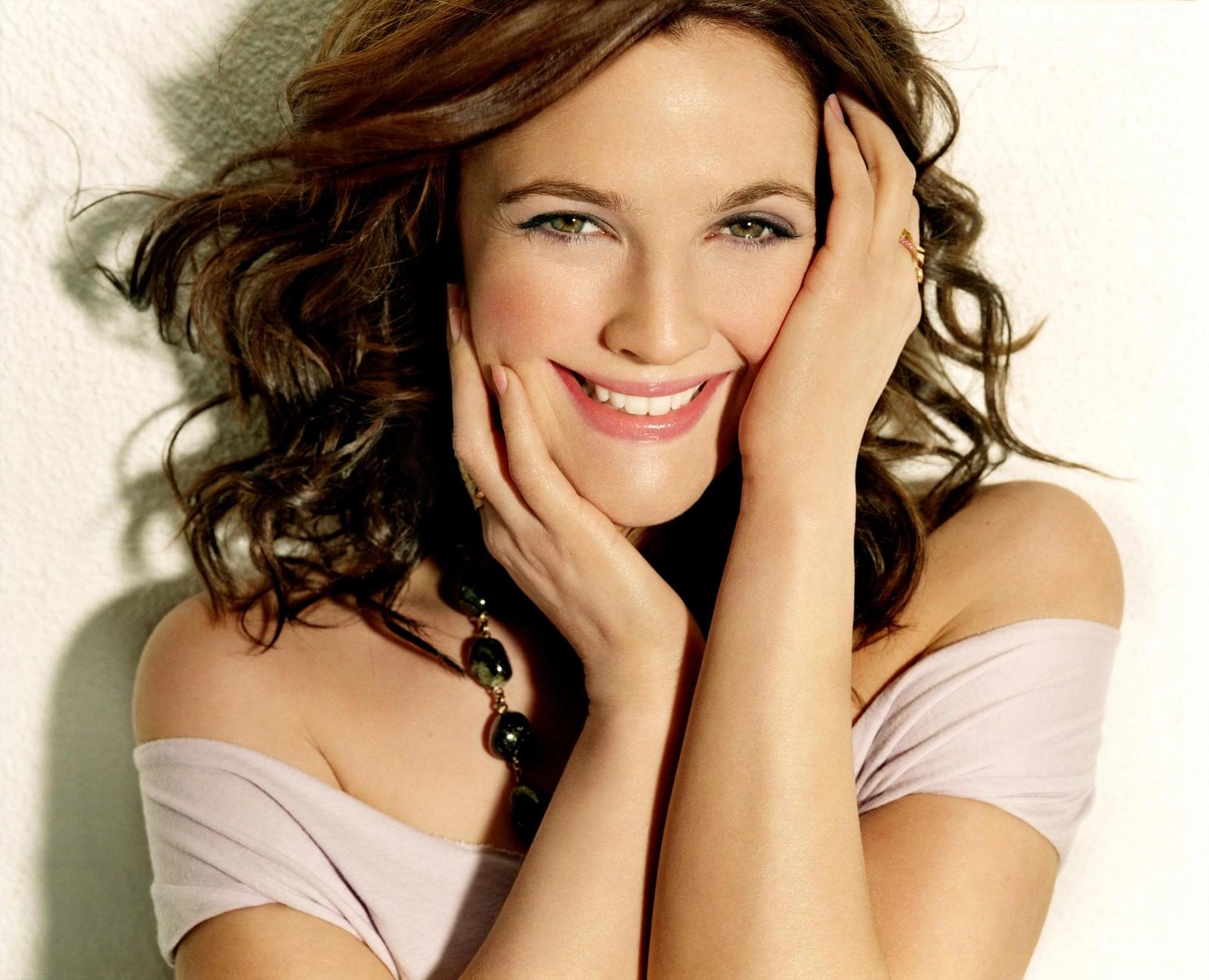
| 35 Quotes | |
| Born as | Drew Blyth Barrymore |
| Occup. | Actress |
| From | USA |
| Born | February 22, 1975 Culver City, California, United States |
| Age | 51 years |
| Cite | |
Citation Formats
APA Style (7th ed.)
Drew barrymore biography, facts and quotes. (2026, February 11). FixQuotes. https://fixquotes.com/actors/drew-barrymore/
Chicago Style
"Drew Barrymore biography, facts and quotes." FixQuotes. February 11, 2026. https://fixquotes.com/actors/drew-barrymore/.
MLA Style (9th ed.)
"Drew Barrymore biography, facts and quotes." FixQuotes, 11 Feb. 2026, https://fixquotes.com/actors/drew-barrymore/. Accessed 5 Mar. 2026.
Early Life and Background
Drew Blyth Barrymore was born on February 22, 1975, in Culver City, California, into the Barrymore dynasty, a storied American acting family whose name carried both privilege and pressure. Her father, John Drew Barrymore, and mother, Ildiko Jaid, separated early; she was raised primarily by her mother in Los Angeles, with a childhood that unfolded amid soundstages, adult parties, and the odd intimacy of being recognized before being understood. That environment gave her a performer instinct - quick, luminous, and disarming - but also blurred boundaries that most children rely on.Fame arrived so fast it became the weather of her adolescence. Cast in commercials as a toddler and in film before grade school, she was widely adored after playing Gertie in Steven Spielberg's E.T. the Extra-Terrestrial (1982). The public read her as a symbol of innocence at the very moment she was being pulled into a nightlife culture that rewarded precocity and access. By her early teens, substance abuse and instability were no longer rumor but biography, and the contrast between her onscreen sweetness and offscreen crisis became a defining American spectacle of the 1980s tabloid era.
Education and Formative Influences
Barrymore's education was largely informal and itinerant, shaped more by sets, rehearsals, and therapy than classrooms, and by the adult gaze that treated her as both commodity and cautionary tale. After rehab and a period of institutional care, she pursued legal emancipation as a minor - a radical act that forced maturity early and taught her that survival could be procedural as much as emotional. Hollywood itself became her primary curriculum: directors, editors, and publicists offered a daily lesson in how images are manufactured, while the consequences of childhood fame gave her a lifelong sensitivity to autonomy, privacy, and the right to change one's narrative.Career, Major Works, and Turning Points
After the early crash, she rebuilt in public, first by owning the story in the memoir Little Girl Lost (1990), then by converting notoriety into leverage. Roles in Poison Ivy (1992), The Wedding Singer (1998), Never Been Kissed (1999), and Charlie's Angels (2000) cemented her as a romantic-comedy anchor and a bankable star who could combine softness with slapstick and physical daring; producing Charlie's Angels through Flower Films marked a turning point from hired talent to architect. She kept stretching her persona through Donnie Darko (2001), Confessions of a Dangerous Mind (2002), and Grey Gardens (2009), while directing Whip It (2009) and later building a second act in daytime television with The Drew Barrymore Show (2020-), where her openness became a format rather than a vulnerability.Philosophy, Style, and Themes
Barrymore's inner life, as expressed through interviews and the through-line of her career, is organized around reclamation: the belief that a damaged beginning does not disqualify a joyful adulthood. She speaks like someone who has studied consequences close-up and decided to treat experience as tuition rather than a sentence. “If you're going to go through hell... I suggest you come back learning something”. That ethic helps explain her repeated returns to work that feels communal - ensembles, producing partnerships, talk-show intimacy - as if the antidote to a chaotic childhood is a chosen family made by craft and routine.Her style mixes candor with buoyancy, often pairing self-deprecation with a stubborn insistence on goodness, and her themes circle romance, belonging, and the practical labor of becoming stable. She can puncture fairytales while still longing for them, a tension summed up in: “A fish may love a bird, but where would they live?” Even her most playful declarations reveal an adult bargaining with younger feelings: “I love romance. I'm a sucker for it. I love it so much. It's pathetic”. Across her roles and public persona, love is not just an ending - it is a risk assessment, a home-building project, and sometimes a comedy of mismatched habitats.
Legacy and Influence
Barrymore's legacy is twofold: as a performer who helped define late-1990s and early-2000s American romantic comedy, and as a case study in publicly surviving childhood fame without calcifying into cynicism. Her producing work expanded the template for actor-producers who used star power to control tone, casting, and workplace culture, and her talk-show presence reintroduced her not as a resurrected cautionary tale but as a working adult committed to warmth, curiosity, and repair. In an era that often profits from breaking young stars, her enduring influence lies in proving that reinvention can be ordinary, incremental, and still miraculous.Our collection contains 35 quotes written by Drew, under the main topics: Witty One-Liners - Motivational - Ethics & Morality - Wisdom - Love.
Other people related to Drew: Hugh Grant (Actor), Crispin Glover (Actor), Jeanne Tripplehorn (Actress), John Forsythe (Actor), Jaclyn Smith (Actress), David Arquette (Actor), Toni Collette (Actress), Jessica Lange (Actress), Henry Thomas (Actor), Jimmy Fallon (Comedian)
Source / external links