
Dwayne Hickman Biography Quotes 17 Report mistakes
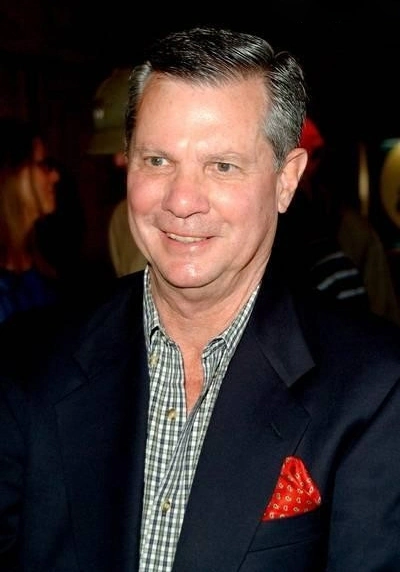
| 17 Quotes | |
| Born as | Dwayne Bernard Hickman |
| Occup. | Actor |
| From | USA |
| Born | May 18, 1934 Los Angeles, California, USA |
| Age | 91 years |
| Cite | |
Citation Formats
APA Style (7th ed.)
Dwayne hickman biography, facts and quotes. (2026, February 11). FixQuotes. https://fixquotes.com/actors/dwayne-hickman/
Chicago Style
"Dwayne Hickman biography, facts and quotes." FixQuotes. February 11, 2026. https://fixquotes.com/actors/dwayne-hickman/.
MLA Style (9th ed.)
"Dwayne Hickman biography, facts and quotes." FixQuotes, 11 Feb. 2026, https://fixquotes.com/actors/dwayne-hickman/. Accessed 1 Apr. 2026.
Early Life and Background
Dwayne Bernard Hickman was born on May 18, 1934, in Los Angeles, California, into a city where the studio system still shaped childhood as much as school did. Growing up in mid-century Southern California meant living inside an entertainment economy that treated talent as a renewable resource - and it was easy for a personable, camera-ready boy to be pulled into work long before he could choose a vocation in the adult sense.He and his younger brother, Darryl Hickman, both acted early, a family pattern that blurred the line between home life and set life. The public would later meet Dwayne as the quintessential clean-cut American youth, but behind that image was a working child actor learning punctuality, compliance, and how to be "good" on command. Those early years formed a durable self-concept: less the romantic rebel than the reliable professional, someone who could deliver what a production needed and then quietly move on.
Education and Formative Influences
Hickman came of age during the transition from classical Hollywood to television, and his formative training was practical rather than academic - repetition, timing, and hitting marks in fast schedules. He absorbed the rhythms of comedy and the discipline of crews who expected efficiency, and he studied the mannered precision of older stars whose success depended on control. As he matured into young-adult roles, his model of the craft was less "method" than continuity: show up prepared, understand the joke, and protect the tone of the piece.Career, Major Works, and Turning Points
Hickman built a substantial child-actor resume before finding his defining persona on television: the lovable, slightly addled teenager of late-1950s and early-1960s American comedy. He played Dobie Gillis in The Many Loves of Dobie Gillis (1959-1963), a role that made him a household face and locked him to a specific national archetype - earnest, boyish, and harmlessly confused in the face of adult expectation. Film roles followed, including comedies such as The Cat from Outer Space (1978), and he later worked steadily in guest appearances and reunion projects while also moving behind the camera as a director and producer. The deeper turning point was not a single hit but the recognition that stardom can be narrow: the same warmth that made him famous also made him easy to typecast, pushing him toward a career built on adaptability rather than reinvention.Philosophy, Style, and Themes
Hickman's screen style was built around affability and timing - the comic innocence that lets an audience laugh without feeling cruel. He specialized in reactions: the pause that lands a punchline, the slightly baffled look that makes social embarrassment feel universal. Off-camera, he was frank about craft being less mystique than labor and routine, and his admiration for seasoned professionals revealed how he understood acting: preparation is a form of respect, and discipline is what keeps light entertainment from collapsing into chaos.His reflections also hint at an inner life shaped by entering the business too early - the adult voice of someone who knows what childhood loses when it becomes a job. “Children should enjoy the few years they have just being a kid”. That belief reads as retrospective self-protection: an attempt to recover, in principle, what he spent in practice. He also measured himself through lineage, placing his persona in a continuum of American comic understatement rather than self-mythology: “I have often been told that I have many of the same mannerisms as Jack Benny and certainly Bob Cummings”. Even his stories about rehearsal versus spontaneity show a mind attentive to temperament - how different actors manage control and risk - and how professionalism can coexist with irritation and admiration: “My background with Cummings was rehearse, rehearse, rehearse, but Tuesday liked to walk in and do the scene. I must say that she was really wonderful. Aggravating, but wonderful”. Taken together, his themes are modest but consistent: preparation, decency, and the quiet costs of being perpetually "the kid" America wants.
Legacy and Influence
Hickman endures as a signature face of television's early prime-time adolescence, when sitcoms helped define postwar American normalcy and teen life became a marketable national story. His Dobie Gillis performance helped standardize a template for later TV boys-next-door - likable, anxious, ethically intact, and comic without malice. While he never chased the radical transformations that define some celebrity narratives, his legacy is precisely in that steadiness: a working actor who captured an era's idea of youthful innocence, and whose later reflections preserve the human truth behind the durable, smiling type.Our collection contains 17 quotes written by Dwayne, under the main topics: Art - Music - Writing - Parenting - Equality.
Source / external links