
Elisabeth Rohm Biography Quotes 25 Report mistakes
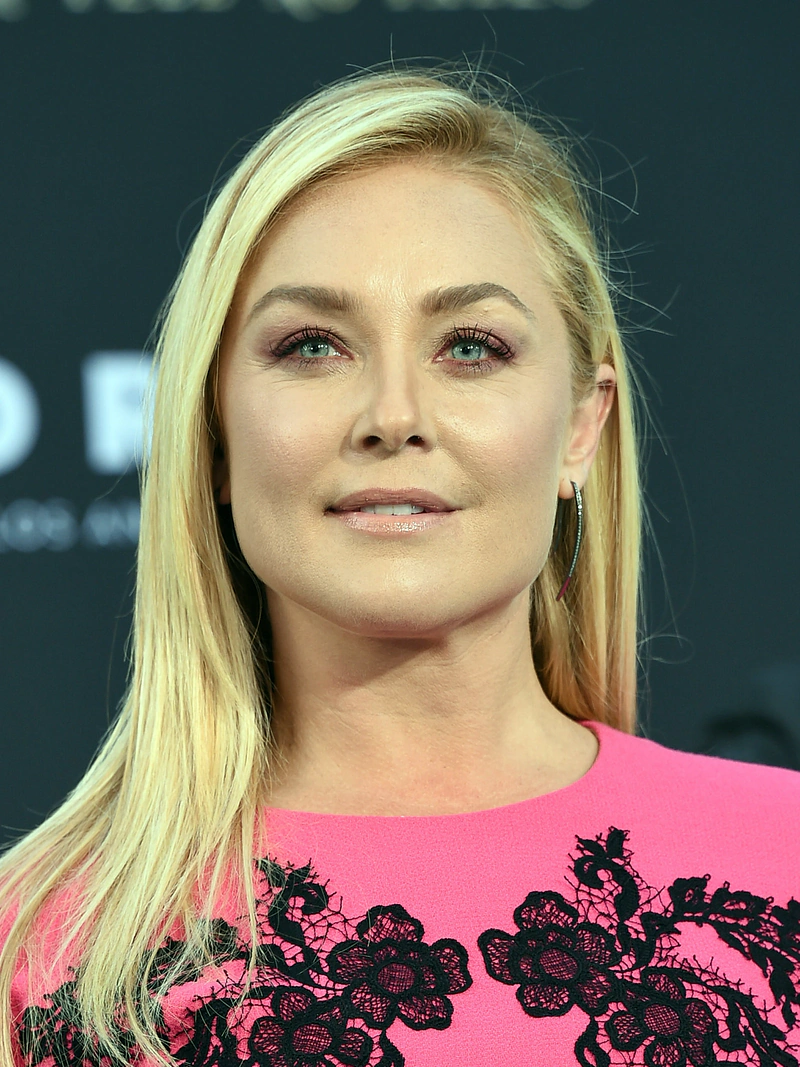
Attr: bookingagentinfo.com
| 25 Quotes | |
| Occup. | Actress |
| From | USA |
| Born | April 28, 1973 |
| Age | 52 years |
| Cite | |
Citation Formats
APA Style (7th ed.)
Elisabeth rohm biography, facts and quotes. (2026, February 11). FixQuotes. https://fixquotes.com/actors/elisabeth-rohm/
Chicago Style
"Elisabeth Rohm biography, facts and quotes." FixQuotes. February 11, 2026. https://fixquotes.com/actors/elisabeth-rohm/.
MLA Style (9th ed.)
"Elisabeth Rohm biography, facts and quotes." FixQuotes, 11 Feb. 2026, https://fixquotes.com/actors/elisabeth-rohm/. Accessed 26 Mar. 2026.
Early Life and Background
Elisabeth Rohm was born on April 28, 1973, in Dusseldorf, then in West Germany, and raised largely in New York City in a household shaped by European professionalism and American ambition. Her mother, Eileen, worked in publishing; her father, Gerhard Rohm, was a corporate attorney. The family moved between cultures and expectations, and Rohm grew up bilingual and observant - the kind of child who learns early to read rooms, modulate tone, and adapt quickly, skills that later became a quiet hallmark of her screen presence.New York in the late 1970s and 1980s was both hard-edged and creatively electric, and Rohm came of age amid its constant audition of identities: private schools, arts opportunities, and the citys relentless pace. That environment trained a practical resilience. She has often projected composure on camera, but her early years suggest a more complicated inner engine - a person accustomed to pressure, alert to class and difference, and determined to earn her place rather than be granted it.
Education and Formative Influences
Rohm attended the Professional Childrens School in Manhattan, an education designed around working performers, and she also pursued serious training in riding, later competing as an equestrian. Modeling and commercials arrived early, not as a single life decision but as a series of openings that rewarded discipline and presentation. The combination - structured schooling, competitive sport, and early camera work - formed an actor who thinks in terms of endurance and craft, and who learned that glamour is less a gift than a schedule.Career, Major Works, and Turning Points
Rohms first sustained recognition came on daytime television, including a role on One Life to Live, which sharpened her speed and stamina in front of the lens. Her breakout with a mass audience followed in prime time as Assistant District Attorney Serena Southerlyn on Law and Order (appearing from 2001 to 2005), joining a franchise with its own ritualized cadence and fiercely attentive viewers. That tenure became a turning point: it placed her within a long-running American institution and simultaneously tested her ability to be legible inside an ensemble and a format where character is built in glances, procedure, and moral pressure rather than monologues. After Law and Order, she moved through a mix of studio films and independent projects - including the thriller Joy Ride, the drama Angel Eyes, and later roles in films like American Hustle - building a career defined less by one signature type than by steady adaptability across genres and budgets.Philosophy, Style, and Themes
Rohms public candor about fame is unusually technical - she speaks like someone who understands television as a relationship with an audience, not a mirror for an actors ego. “I stuck out like a sore thumb when I came on, just by the fact that I looked so different. I think that adjustment for the audience was a hurdle for me”. The line reveals an actor attentive to the sociology of casting: how viewers map familiarity onto legitimacy, and how a performer must sometimes endure the lag between doing good work and being accepted as belonging. Her style - brisk, grounded, emotionally contained until it isnt - fits the procedural world she became known for, yet it also suggests a deeper instinct to protect vulnerability until the moment is earned.Underneath that professionalism sits a consistent ethic of labor. “You've got to clock the hours and pay your dues. Then eventually, people will come to you. You have to be patient and appreciative”. This is not inspirational talk so much as a biography in miniature: a working actress navigating an industry where momentum can vanish, where reinvention is mandatory, and where longevity is built on showing up prepared. Even her view of romance turns analytical, almost wary of projection and self-deception: “When you fall head over heels for someone, you're not falling in love with who they are as a person; you're falling in love with your idea of love”. That skepticism echoes the moral atmosphere of her best-known work - stories where desire, ambition, and identity are tested against consequences.
Legacy and Influence
Rohms lasting influence is less about a single iconic role than about a model of durable, camera-literate craft in an era when television became both prestige and proving ground. For many viewers, Serena Southerlyn remains part of the Law and Order memory palace - a face of early-2000s network drama, when procedural storytelling quietly set national conversations about crime, justice, and institutional power. For actors, her career offers a pragmatic blueprint: train early, work consistently, accept the ensemble, and keep evolving across mediums without forfeiting professionalism.Our collection contains 25 quotes written by Elisabeth, under the main topics: Art - Justice - Love - Learning - Honesty & Integrity.