
Frankie Avalon Biography Quotes 18 Report mistakes
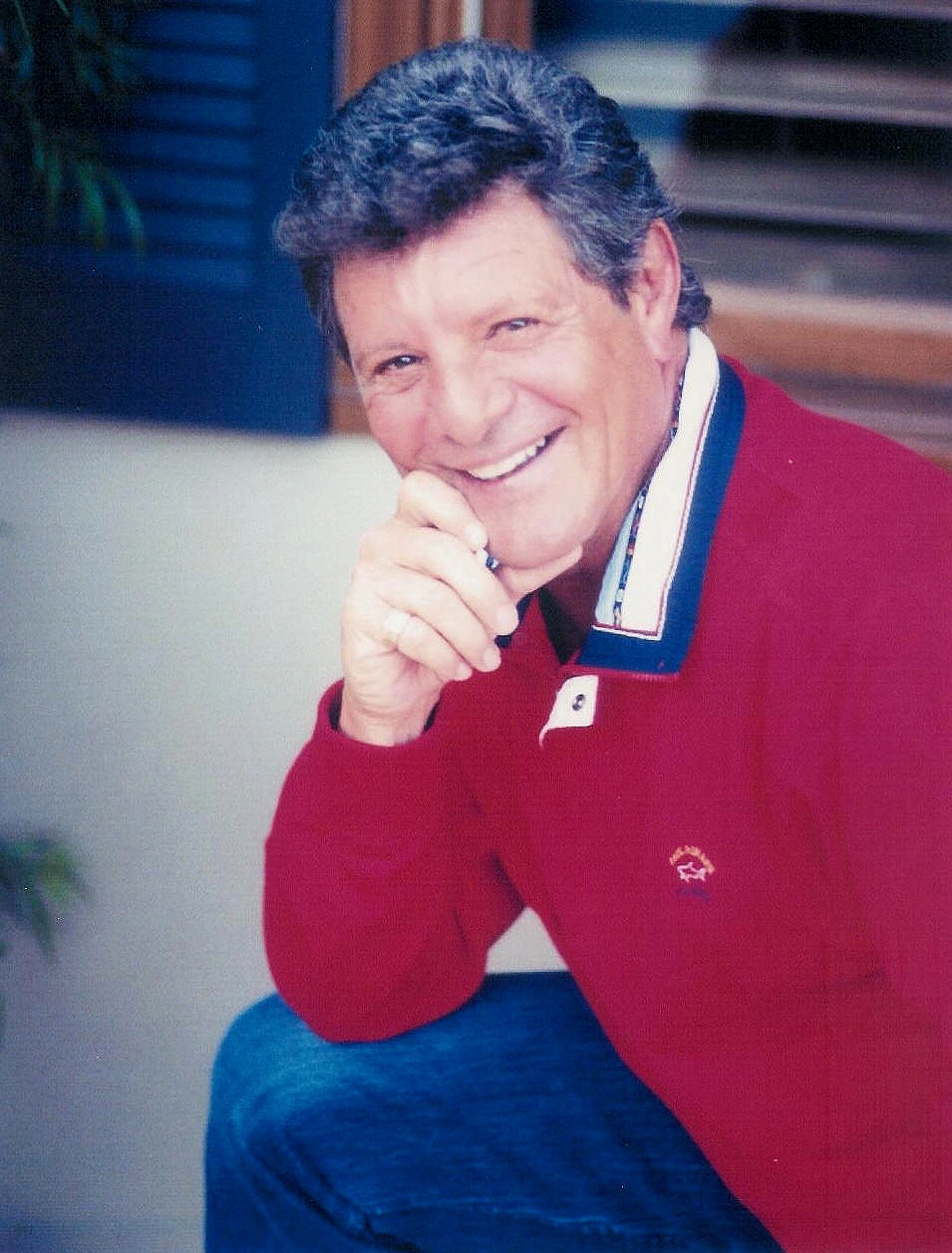
| 18 Quotes | |
| Born as | Francis Thomas Avallone |
| Occup. | Actor |
| From | USA |
| Spouse | Kathryn Diebel (m. 1963) |
| Born | September 18, 1940 Philadelphia, Pennsylvania, USA |
| Age | 85 years |
| Cite | |
Citation Formats
APA Style (7th ed.)
Frankie avalon biography, facts and quotes. (2026, February 11). FixQuotes. https://fixquotes.com/actors/frankie-avalon/
Chicago Style
"Frankie Avalon biography, facts and quotes." FixQuotes. February 11, 2026. https://fixquotes.com/actors/frankie-avalon/.
MLA Style (9th ed.)
"Frankie Avalon biography, facts and quotes." FixQuotes, 11 Feb. 2026, https://fixquotes.com/actors/frankie-avalon/. Accessed 2 Apr. 2026.
Early Life and Background
Francis Thomas Avallone was born on September 18, 1940, in Philadelphia, Pennsylvania, into a working-class, Italian American family whose neighborhood life revolved around parish, school, and the pressure to find respectable work. Postwar Philadelphia offered both the brass-band tradition of city music programs and the early hum of American pop commerce - radio, record hops, and the first flickers of television variety. Avalon grew up in that in-between America: disciplined enough for lessons and rehearsals, close enough to street-corner doo-wop and dance-craze culture to understand what teenagers wanted to feel.His childhood reputation was built less on rebellion than on aptitude. Friends and family recognized early that he had the kind of quick ear and steady breath that brass instruments demand, and that he also had the clean-cut charm television producers were beginning to monetize. The combination - musician first, camera-friendly second - would become his defining pattern: a performer who could sell innocence without seeming artificial, and who could translate the intimacy of a local stage into the mass culture of the late 1950s and early 1960s.
Education and Formative Influences
Avalon attended South Philadelphia High School, but his real education ran parallel to class schedules: private trumpet study, steady practice, and early professional exposure through local appearances that connected Philadelphia talent pipelines to national television. The era rewarded versatility; bandstand chops mattered, but so did poise under lights, the ability to take direction, and the willingness to be molded into a teen idol. In a decade when American youth culture was consolidating into a market, Avalon learned to be both musician and product without losing the grounded manner that made him believable.Career, Major Works, and Turning Points
Avalon first broke through as a trumpeter, appearing on national television and scoring instrumental success before his career pivoted decisively to vocals and stardom: the 1959 single "Venus" reached No. 1, followed by other hits including "Why" (also No. 1), "Just Ask Your Heart", and "A Perfect Love". He became one of the most visible teen idols of the pre-Beatles pop landscape, then broadened into film - notably the sunlit, youth-oriented cycle of beach-party movies with Annette Funicello such as Beach Party (1963), Muscle Beach Party (1964), and Beach Blanket Bingo (1965). As tastes hardened and rock grew more self-mythologizing, Avalon adapted by leaning into nostalgia and craft: stage work, touring, and a widely seen late-career cultural cameo in Grease (1978) as the Teen Angel, which reintroduced him to new generations and positioned his earlier persona as a symbol of a particular American innocence.Philosophy, Style, and Themes
Avalon's inner life as a performer is anchored in identity and trade rather than romantic genius. He consistently frames himself as a working musician who happened to become an icon, insisting, “I've been around two years shy of 50 years doing what I do. I am a musician”. That statement is more than modesty - it is a psychological defense against the volatility of fame. By treating celebrity as an overlay on a craft, he keeps agency where teen-idol culture often strips it away. His pride in early technique also signals a temperament oriented toward mastery and repeatability: “When I started to play trumpet I was fortunate to learn very quickly”. Quick learning, in his telling, is not magic but readiness - the ability to meet opportunity with competence.His screen style reflects that same pragmatism. Avalon was never a method actor; he was a camera-friendly presence whose sincerity sold the fantasy. He admits it plainly: “I was not a trained actor”. Yet the films and performances endure because they deliver a coherent emotional world - clean fun, courtship without menace, community without cynicism - that later eras revisit as comfort and critique. That is why he has defended the beach films even when critics dismiss them: they function as time capsules of aspiration, color, and social codes, and his best work understands that tone is itself a message.
Legacy and Influence
Frankie Avalon remains a key figure in the bridge between 1950s teen-pop and 1960s youth cinema, a performer whose career documents how American entertainment industrialized adolescence while still leaving room for genuine musicianship. His chart-topping singles helped define the pre-rock-supremacy pop sound, while the beach-party cycle fixed an enduring visual grammar of sun, songs, and flirtation that later filmmakers would quote, parody, and revive. Through Grease and decades of touring, he became a living reference point for midcentury American nostalgia - not merely a relic, but an interpreter of an era whose optimism and restraint continue to fascinate audiences precisely because they are no longer default settings.Our collection contains 18 quotes written by Frankie, under the main topics: Music - Movie - Success - Aging - Heartbreak.
Other people related to Frankie: Annette Funicello (Actress), Morey Amsterdam (Actor)
Source / external links