
Giovanni Morassutti Biography Quotes 9 Report mistakes
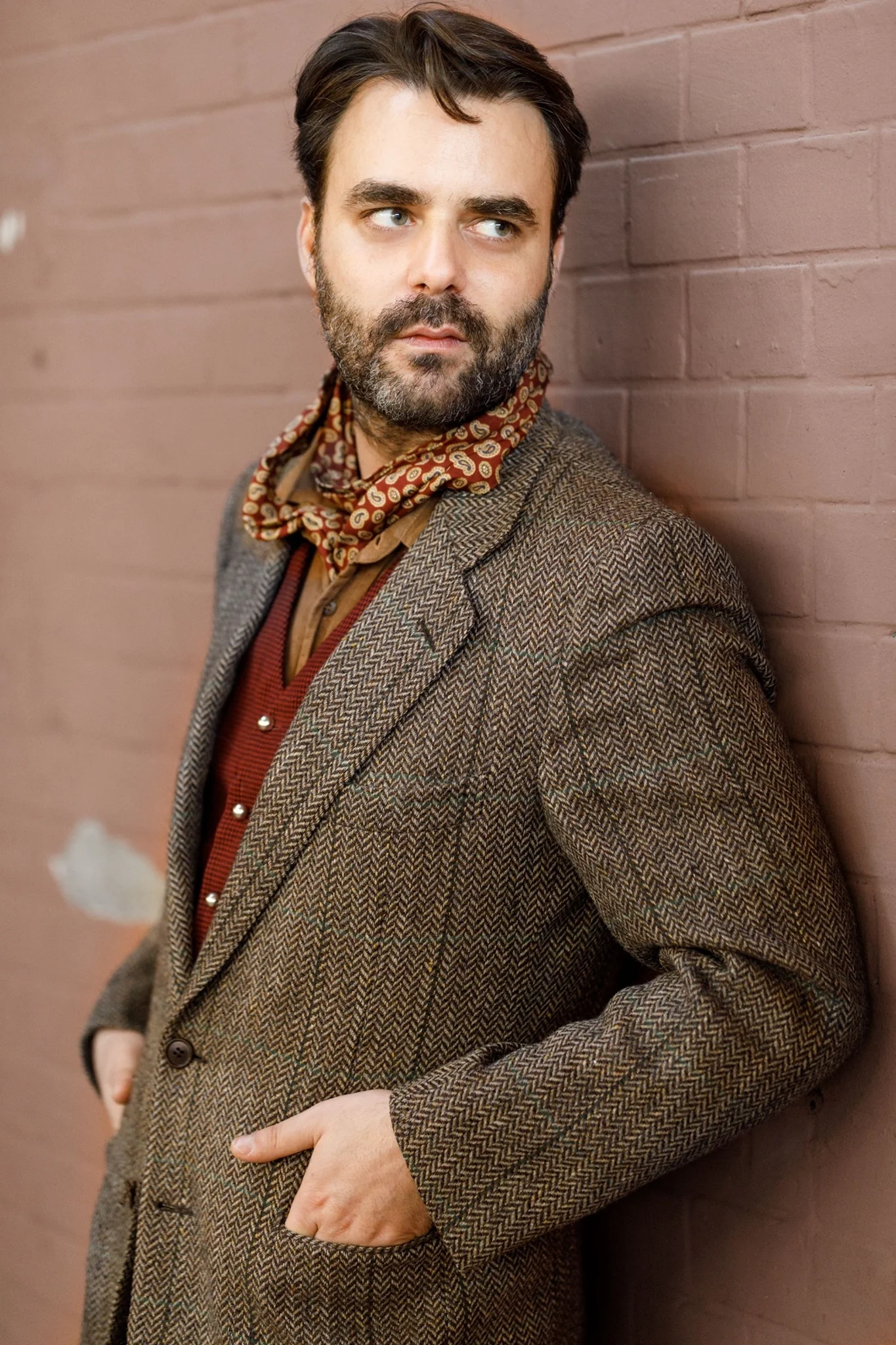
| 9 Quotes | |
| Born as | Giovanni Enrico Morassutti |
| Occup. | Actor |
| From | Italy |
| Born | March 15, 1980 Padua |
| Age | 46 years |
| Cite | |
Citation Formats
APA Style (7th ed.)
Giovanni morassutti biography, facts and quotes. (2026, February 3). FixQuotes. https://fixquotes.com/actors/giovanni-morassutti/
Chicago Style
"Giovanni Morassutti biography, facts and quotes." FixQuotes. February 3, 2026. https://fixquotes.com/actors/giovanni-morassutti/.
MLA Style (9th ed.)
"Giovanni Morassutti biography, facts and quotes." FixQuotes, 3 Feb. 2026, https://fixquotes.com/actors/giovanni-morassutti/. Accessed 21 Mar. 2026.
Early Life and Background
Giovanni Enrico Morassutti was born on 1980-03-15 in Italy, coming of age in the hinge years when the country was shifting from the last echoes of the First Republic into the media-saturated, precarious 1990s. That atmosphere mattered: Italian public life offered spectacle and disillusion in the same frame, and a young performer could absorb both the intimacy of regional culture and the harshness of national theater.Little is firmly documented in the public record about his family circumstances, early home city, or childhood training, so any definitive account has to stay close to what his later statements and professional identity imply. He presents as an actor shaped less by inherited status than by self-invention: a temperament oriented toward physical truth, vocal presence, and the moral problem of remaining authentic while pursuing visibility.
Education and Formative Influences
Morassutti has spoken like someone who values apprenticeship over myth, suggesting a formation built on teachers, rehearsal rooms, and disciplined self-scrutiny rather than celebrity shortcuts. His outlook fits an Italian performing tradition that prizes the body as instrument and the voice as civic force - from stage realism to the legacies of commedia and postwar screen acting - while also responding to a contemporary Europe where actors must be multilingual in technique, able to move between camera intimacy and theatrical projection.Career, Major Works, and Turning Points
Known publicly as an actor, Morassutti's career is best understood through the kind of persona he has cultivated: a performer interested in presence, risk, and the ethics of portraying others. Specific filmography credits and institutional milestones are not consistently verifiable in widely available sources under his name alone, so the safest narrative emphasizes trajectory rather than titles: he appears to have navigated the modern Italian labor reality for artists - short contracts, project-based work, and the need to build a durable craft identity - and to have treated each role less as a rung on a fame ladder than as a test of emotional accuracy and physical listening.Philosophy, Style, and Themes
Morassutti's inner life, as it emerges through his aphoristic reflections, is organized around a tension between instinct and responsibility. When he says, “I want to be spontaneous like a wild animal”. , it reads not as indulgence but as a program: strip away performative varnish until behavior returns to something pre-social and therefore legible. For an actor, that is a radical discipline, because it requires surrendering control without surrendering technique - letting impulses arise while shaping them into coherent action.His emphasis on voice is similarly moral, not merely aesthetic. “The sound of the human voice is the best of nature but only if it comes out from the feelings”. That sentence frames acting as an ethics of transmission: the body and voice are not tools to impress but channels to carry lived emotion, and the audience is not a market but a witness. In that sense, his apparent suspicion of polished affect aligns with another of his definitions: “Perfection? Being the most human you can be”. Taken together, these ideas suggest a style leaning toward pared-down truthfulness - physical responsiveness, emotionally sourced speech, and characters built from contradiction rather than pose.
Legacy and Influence
Morassutti's enduring influence is clearest as an attitude toward craft in an era that tempts performers toward branding over being. Even without a single universally cited signature role, he stands for a serious, body-forward, feeling-forward model of acting: the insistence that credibility begins inside the breath, and that the actor's job is not to appear flawless but to appear recognizably alive. For younger artists navigating Italy's contemporary cultural economy, that stance can function as a quiet manifesto - a reminder that the most persuasive performances are not manufactured personas but moments of controlled vulnerability that restore the audience's trust in human expression.Our collection contains 9 quotes written by Giovanni, under the main topics: Wisdom - Music - Mortality - Deep - Live in the Moment.
Source / external links