
Goldie Hawn Biography Quotes 18 Report mistakes
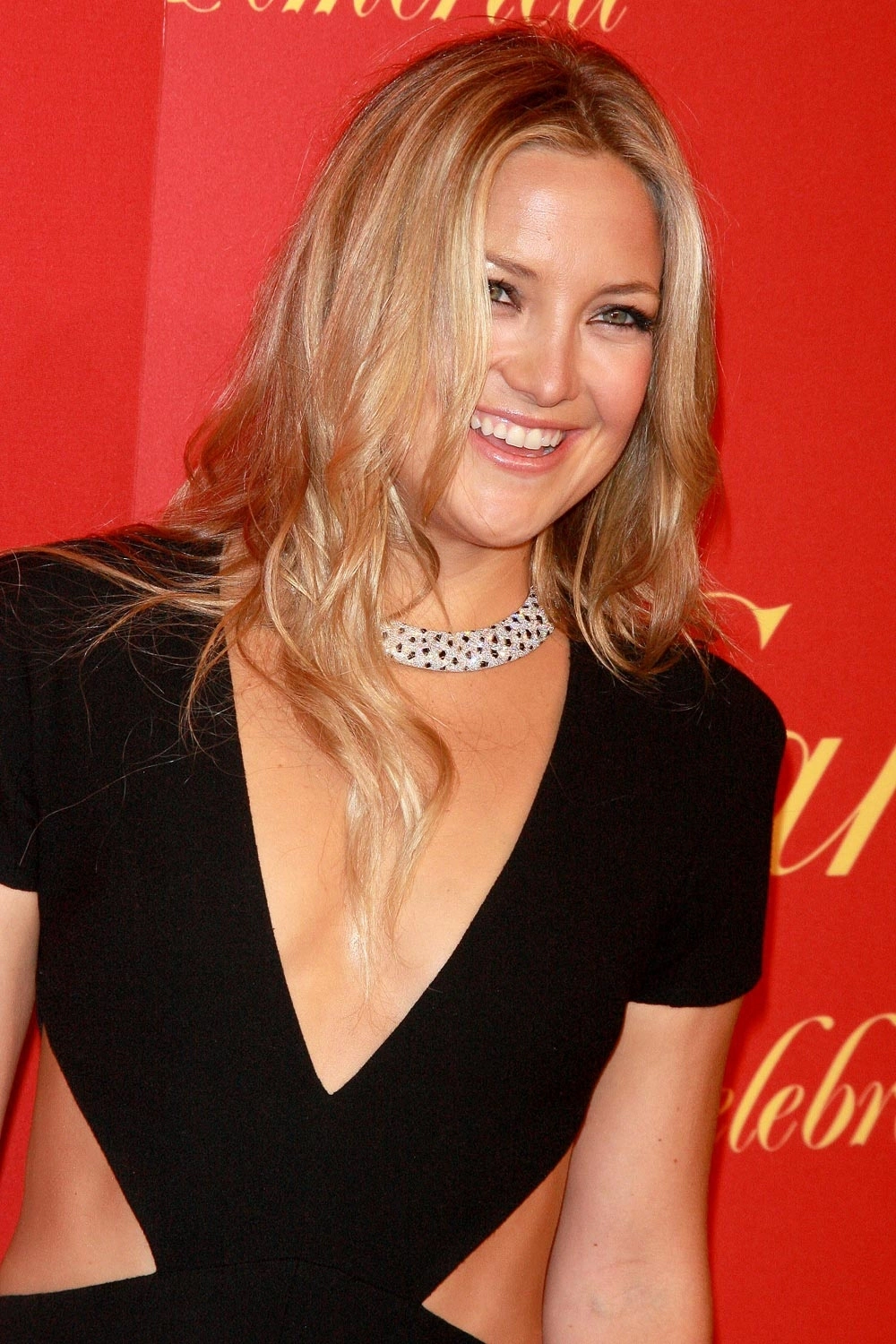
| 18 Quotes | |
| Born as | Goldie Jeanne Hawn |
| Occup. | Actress |
| From | USA |
| Born | November 21, 1945 Washington, D.C., U.S. |
| Age | 80 years |
| Cite | |
Citation Formats
APA Style (7th ed.)
Goldie hawn biography, facts and quotes. (2026, February 11). FixQuotes. https://fixquotes.com/actors/goldie-hawn/
Chicago Style
"Goldie Hawn biography, facts and quotes." FixQuotes. February 11, 2026. https://fixquotes.com/actors/goldie-hawn/.
MLA Style (9th ed.)
"Goldie Hawn biography, facts and quotes." FixQuotes, 11 Feb. 2026, https://fixquotes.com/actors/goldie-hawn/. Accessed 26 Mar. 2026.
Early Life and Background
Goldie Jeanne Hawn was born on November 21, 1945, in Washington, D.C., into a mid-century America where television was becoming a household altar and postwar optimism sat beside Cold War unease. Her father, Edward Rutledge Hawn, was a band musician, and her mother, Laura Steinhoff, ran a dance school; the household mixed performance discipline with the everyday pragmatism of a working family. Raised in the D.C. area, she absorbed show-business rhythms early, learning that charm was not an accident but a craft built from repetition, timing, and nerve.Hawn also grew up with a sense of inner life that did not always match the public smile she would later be famous for. Family culture blended entertainment with moral seriousness - she has recalled, “My mother loved the Bible”. That thread of spiritual curiosity, paired with the era's shifting expectations for women, created a tension that would shape her: the desire to be adored versus the desire to be grounded, and the persistent question of what a "good life" looks like when applause fades.
Education and Formative Influences
She trained as a dancer from childhood and performed professionally while still young, later studying drama at American University in Washington, D.C., though her education was ultimately the stage itself. Early jobs in New York included dance work and television appearances, experiences that taught her how quickly the industry rewards surfaces - and how hard it is to protect a private self underneath. The comedic sensibility she refined in clubs and studios drew on musicality and physical precision, a dancer's ability to land exactly on the beat.Career, Major Works, and Turning Points
Hawn broke nationally on NBC's Rowan & Martin's Laugh-In (1968-1970), where her giggly, bikini-painted persona hid a sharp instinct for timing and audience manipulation. She pivoted decisively into film with Cactus Flower (1969), winning the Academy Award for Best Supporting Actress - a rare leap from TV novelty to cinematic credibility. Across the 1970s and 1980s she balanced lightness with steel: There's a Girl in My Soup (1970), Butterflies Are Free (1972), Shampoo (1975), and the action-comedy Foul Play (1978) established her as a bankable star; Private Benjamin (1980), which she also produced, became a defining turning point, turning her comic image into a story about self-invention and competence. Later hits such as Overboard (1987) and The First Wives Club (1996) cemented her as a comedian with mass appeal, while her long partnership with Kurt Russell - beginning with Swing Shift (1984) after an earlier meeting on The One and Only, Genuine, Original Family Band (1968) - became part of her public narrative of chosen stability.Philosophy, Style, and Themes
Hawn's screen persona often plays the "happy" woman as both mask and weapon: bubbly surfaces concealing calculation, vulnerability, and, at times, loneliness. Her best performances exploit the cultural habit of underestimating women who appear carefree; she turns that underestimation into surprise competence, then into a plea for recognition. Her recurring arc is not romance as rescue but selfhood as rescue - the comic journey toward taking herself seriously without losing joy. That psychological through-line aligns with her plainspoken insistence that contentment is internal work, not audience verdict: “The only thing that will make you happy is being happy with who you are, and not who people think you are”.Her off-screen interests in mindfulness and well-being echo the same theme: identity as a practice, not a role. She reframes ambition away from job titles and toward character formation - “It is not the question, what am I going to be when I grow up; you should ask the question, who am I going to be when I grow up”. Even her stories about collaborators reveal a psychological sensitivity to fragility behind fame; speaking of Peter Sellers, she described the work as “balancing a very delicate spirit on a needle”. That empathy helps explain her own careful calibration of comedy: she sells lightness, but she watches for the hidden tremor in others and in herself.
Legacy and Influence
Hawn endures as a key architect of modern screen comedy, proving that a woman could anchor studio hits, co-produce her vehicles, and make emotional intelligence part of the joke rather than the punchline. Her influence is visible in later generations of comedic actresses who pair brightness with authority, and in the continued popularity of her films as comfort-viewing that still carries an argument: joy is skilled, not accidental, and self-respect is the plot. Through her public advocacy for children's well-being and her long career arc from TV ingenue to producing star, she left a template for celebrity that tries - however imperfectly - to turn attention into a platform for inner stability rather than mere spectacle.Our collection contains 18 quotes written by Goldie, under the main topics: Witty One-Liners - Art - Love - Meaning of Life - Parenting.
Other people related to Goldie: Kate Hudson (Actress), Oliver Hudson (Actor), Walter Matthau (Actor), Ruth Buzzi (Actress), Stephen Collins (Actor), George Segal (Actor), Isabella Rossellini (Actress)
Source / external links