
Harold Ramis Biography Quotes 31 Report mistakes
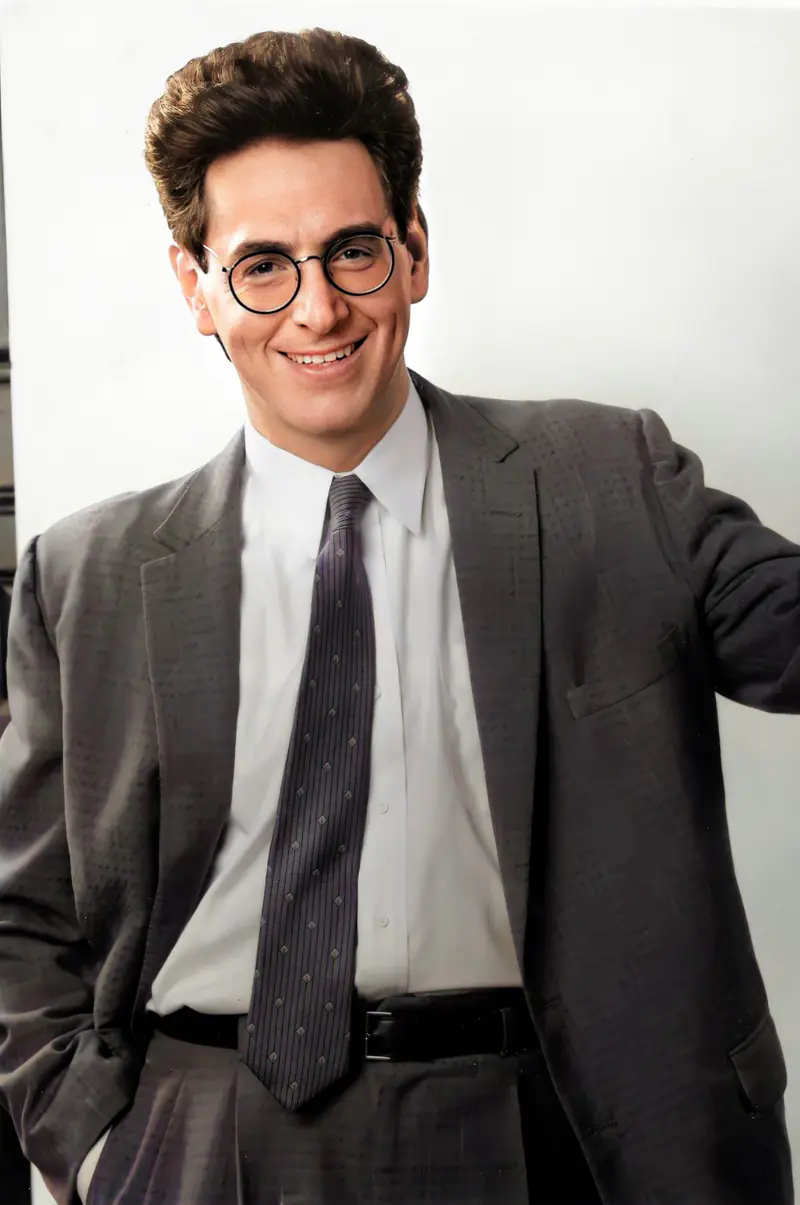
| 31 Quotes | |
| Born as | Harold Allen Ramis |
| Occup. | Actor |
| From | USA |
| Born | November 21, 1944 Chicago, Illinois, USA |
| Died | February 24, 2014 Glencoe, Illinois, USA |
| Aged | 69 years |
Harold Allen Ramis was born in 1944 in Chicago, Illinois, and grew up in a city whose improvisational theaters and satirical magazines would shape his sensibility. He attended Washington University in St. Louis, where he studied literature and contributed to campus humor and performance. The combination of close reading, sketch writing, and live performance gave him a framework for comedy grounded in observation and character rather than mere punch lines.
Finding a Comic Voice in Chicago
After college he returned to Chicago and worked as a writer and editor, including a stint at Playboy magazine, where he sharpened his joke-writing and editorial instincts. He joined The Second City, a training ground for many of the era's most influential comedians. There he collaborated with performers such as John Belushi, Bill Murray, and Gilda Radner, learning to build scenes from truthful impulses and to trust ensemble chemistry. His work extended to SCTV, where he served as a writer and performer alongside Joe Flaherty, Eugene Levy, Catherine O'Hara, Andrea Martin, Dave Thomas, John Candy, and Rick Moranis. The SCTV experience clarified two of Ramis's signatures: a generosity toward collaborators and an ability to let absurdity arise naturally from ordinary settings.
Breakthrough as Writer and Director
Ramis broke through in film as a screenwriter on National Lampoon's Animal House (1978), a raucous college comedy that became a cultural landmark. He followed with Meatballs (1979), helping to craft a loose, playful vehicle for Bill Murray. Caddyshack (1980) marked his feature directing debut; he also co-wrote it, shaping memorable turns by Rodney Dangerfield, Chevy Chase, Ted Knight, and Bill Murray. The movie demonstrated Ramis's knack for orchestrating chaos while keeping characters at the center. Stripes (1981) continued his partnership with Murray and director Ivan Reitman, with Ramis co-writing and co-starring in a story of misfits finding purpose in uniform. National Lampoon's Vacation (1983), which he directed, broadened his reach with an affectionate, satirical look at family life starring Chevy Chase and based on a story by John Hughes.
Ghostbusters and Stardom as a Performer
In 1984 he co-wrote Ghostbusters with Dan Aykroyd and played Dr. Egon Spengler, the cerebral anchor of a team battling supernatural chaos. Directed by Ivan Reitman and featuring Bill Murray, Sigourney Weaver, Ernie Hudson, Rick Moranis, and Annie Potts, the film fused character humor with special effects spectacle, and Ramis returned for Ghostbusters II (1989). His understated performance made Egon an enduring figure, while his contributions to the script gave the film its dry wit and internal logic.
Groundhog Day and a Mature Vision
Ramis reached a creative pinnacle with Groundhog Day (1993), which he directed and co-wrote with Danny Rubin. Starring Bill Murray and Andie MacDowell, the film used a fantastical premise to explore growth, empathy, and the possibility of ethical change. Its balance of humor and philosophical inquiry made it a touchstone well beyond comedy circles. Though Ramis and Murray had a well-documented rift during and after the production, they later reconciled, a testament to the enduring bonds forged in their collaborations.
Later Career in Film and Television
Ramis continued to direct character-centered comedies across a range of tones and settings. Multiplicity (1996) showcased Michael Keaton's versatility in a story about overextension and identity. He directed Analyze This (1999) and Analyze That (2002), pairing Robert De Niro and Billy Crystal in comedies about vulnerability beneath tough exteriors. Bedazzled (2000), with Brendan Fraser and Elizabeth Hurley, updated a classic premise for contemporary audiences. The Ice Harvest (2005) revealed his comfort with darker hues, guiding John Cusack and Billy Bob Thornton through a wintry crime comedy. On television he directed episodes of The Larry Sanders Show and The Office, bringing his patient, performance-first approach to ensemble casts. As an actor he made selective appearances, including a warmly received turn in Knocked Up (2007), a project that linked him to a younger generation of filmmakers such as Judd Apatow.
Working Method and Collaborations
Ramis prized collaboration over ego, inviting contributions from performers and fellow writers and finding the sweet spot where improvisation strengthened structure. He remained closely connected to Chicago even as he worked in Los Angeles and New York, and he maintained creative friendships with colleagues including Ivan Reitman, Dan Aykroyd, and Bill Murray. His sets were known for calm, clarity, and a focus on story beats. He believed that comedy worked best when characters pursued sincere goals, and he returned repeatedly to themes of decency, community, and the possibility of personal change.
Illness, Passing, and Tributes
In his later years Ramis faced serious health challenges, including complications from autoimmune inflammatory vasculitis. He died in 2014 in the Chicago area at the age of 69. Tributes poured in from collaborators and fans; Bill Murray, Dan Aykroyd, and many alumni of Second City, SNL, and SCTV acknowledged his influence, while filmmakers and comedians of later generations highlighted the humane intelligence of his work.
Legacy
Harold Ramis helped define modern American screen comedy by merging improvisational looseness with narrative discipline. From Animal House and Caddyshack to Ghostbusters and Groundhog Day, his films combined anarchic energy with empathy, turning flawed characters into vehicles for laughter and reflection. As a writer, director, and performer, he championed collaboration and trusted audiences to embrace humor grounded in feeling. His work endures on screens and in the vocabulary of popular culture, and his example continues to guide comedians, actors, and directors who aim to make people laugh without losing sight of human stakes.
Our collection contains 31 quotes who is written by Harold, under the main topics: Witty One-Liners - Motivational - Friendship - Funny - Writing.
Source / external links