
Harry Melling Biography Quotes 6 Report mistakes
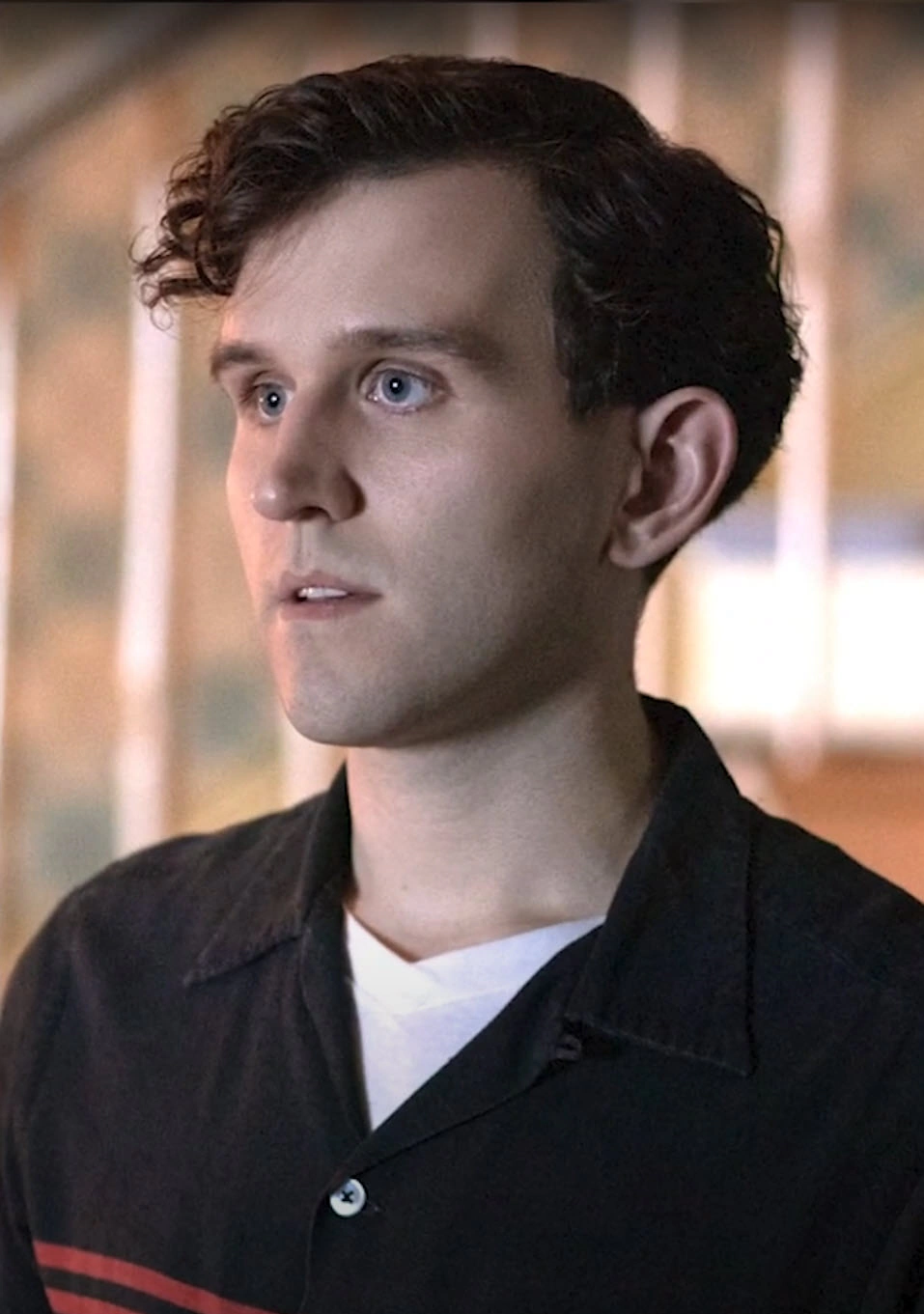
| 6 Quotes | |
| Born as | Harry Edward Melling |
| Occup. | Actor |
| From | United Kingdom |
| Born | March 13, 1989 London, England, United Kingdom |
| Age | 37 years |
| Cite | |
Citation Formats
APA Style (7th ed.)
Harry melling biography, facts and quotes. (2026, March 14). FixQuotes. https://fixquotes.com/actors/harry-melling/
Chicago Style
"Harry Melling biography, facts and quotes." FixQuotes. March 14, 2026. https://fixquotes.com/actors/harry-melling/.
MLA Style (9th ed.)
"Harry Melling biography, facts and quotes." FixQuotes, 14 Mar. 2026, https://fixquotes.com/actors/harry-melling/. Accessed 26 Mar. 2026.
Early Life and Background
Harry Edward Melling was born on March 13, 1989, in London, into a family where performance was not an abstraction but a living inheritance. He is the grandson of Patrick Troughton, the actor remembered by generations of British viewers as the Second Doctor in Doctor Who, and he grew up within a wider acting clan that included David Troughton and Sam Troughton. That lineage mattered, but not in a simple dynastic sense. In late-20th-century Britain, acting could still feel divided between repertory craft, television celebrity, and the prestige institutions of stage training. Melling emerged from a household that understood the discipline beneath the glamour, and this gave him an unusually practical relationship to performance from the start.
He came to public attention very young, and that early visibility fixed him in the public imagination before he had the usual freedoms of self-invention. Cast as Dudley Dursley in the Harry Potter films, he became associated with one of the series' most memorable embodiments of spoiled cruelty: a boy swollen with appetite, privilege, and comic menace. For many child actors, fame arrives before an inner vocabulary for handling it; for Melling, the complication was sharper because his role depended on a caricature of physical excess. The result was an early career built on enormous exposure and narrow recognition - instantly famous, but known chiefly as a type.
Education and Formative Influences
Melling's formative years as an actor mixed mass-culture apprenticeship with serious training. He acted with the National Youth Theatre, an important proving ground in Britain for performers seeking rigor beyond screen notoriety, and he later trained at the London Academy of Music and Dramatic Art. That path suggests a deliberate move away from franchise identity toward technique, range, and repertory seriousness. He has spoken of playing old men and clowns in youth productions, roles that taught transformation rather than self-display, and they seem to have sharpened his instinct for character acting. In an era when many young screen stars were steered toward brand management, Melling gravitated toward the older British idea that an actor should be mutable, even unglamorous, if the part demands it.
Career, Major Works, and Turning Points
After appearing across the Harry Potter cycle from Harry Potter and the Sorcerer's Stone through Harry Potter and the Deathly Hallows - Part 1, Melling undertook the difficult second act that defeats many child performers. Weight loss altered how casting directors and audiences perceived him, but the deeper shift was artistic: he began building a career on unpredictability. On stage he appeared in strong classical and contemporary work, including Mother Courage and Her Children and King Lear, where his voice, physical intelligence, and willingness to look strange rather than merely likable became central assets. On screen he moved steadily into distinctive supporting and leading roles: the Coen brothers' The Ballad of Buster Scruggs, where he played the limbless artist Harrison; the darkly comic military satire The Pale Blue Eye; the psychological western The Old Guard-adjacent ensemble of modern genre cinema; and especially The Queen's Gambit, in which he gave Harry Beltik a quiet ache and moral seriousness that made him more than a romantic detour. In The Tragedy of Macbeth he entered Shakespeare on film with stark conviction, and in The Pale Blue Eye and other projects he showed a gift for inhabiting men who are intelligent, fragile, unsettling, or spiritually off-balance. The turning point was not a single breakout after Potter, but a sustained refusal to become nostalgic merchandise.
Philosophy, Style, and Themes
Melling's work is marked by an actor's fascination with metamorphosis - social, physical, vocal, and moral. He has been unusually candid about the way body image shaped both his self-conception and his casting possibilities. “Toffee Crisp was my downfall. I once ate five at a sitting... it does affect you: you aren't as happy in that skin”. The remark is revealing not because it invites sentiment, but because it frames identity as something lived from inside the body rather than imposed only from outside. His later observation, “I was doing a show at the National Youth Theatre, playing an old man... If I want to have the career I would like, I am going to have to lose weight”. , shows the practical ruthlessness of a serious actor taking control of his instrument. In Melling's case, transformation was never only cosmetic; it was a way of widening the field of possible selves.
That helps explain the tensile quality of his performances. He often plays men who are trying to think their way into dignity while some awkwardness, damage, or need keeps surfacing. His public comments on leaving Dudley behind are psychologically precise: “I can now shed the child-actor thing, like the fat, and start a new career, because no one sees me as Dudley”. The sentence links body, role, and destiny in one motion. Rather than rebel noisily against early fame, Melling turned distance into method. His style favors exact speech, eccentric rhythm, and an alertness to humiliation; he understands that comedy and pain are close neighbors. That is why even brief appearances can feel novelistic - he suggests the life a character had before entering the frame.
Legacy and Influence
Harry Melling's significance lies in the exemplary shape of his reinvention. He has become one of the most persuasive British actors of his generation not by denying his origins in a global franchise, but by converting that burden into freedom. For younger performers, his career offers a model of how to survive typecasting: train seriously, choose directors with strong formal vision, accept supporting parts that test range, and let craft outrun celebrity. For audiences, he represents the pleasures of true character acting in a screen culture often dominated by branding and repetition. His legacy is still developing, but it already rests on something durable - the rare ability to make transformation itself his subject, and to turn a once-fixed image into a long, surprising artistic life.
Our collection contains 6 quotes written by Harry, under the main topics: Movie - Confidence - Career - Reinvention - Travel.
Source / external links