
Heather Matarazzo Biography Quotes 4 Report mistakes
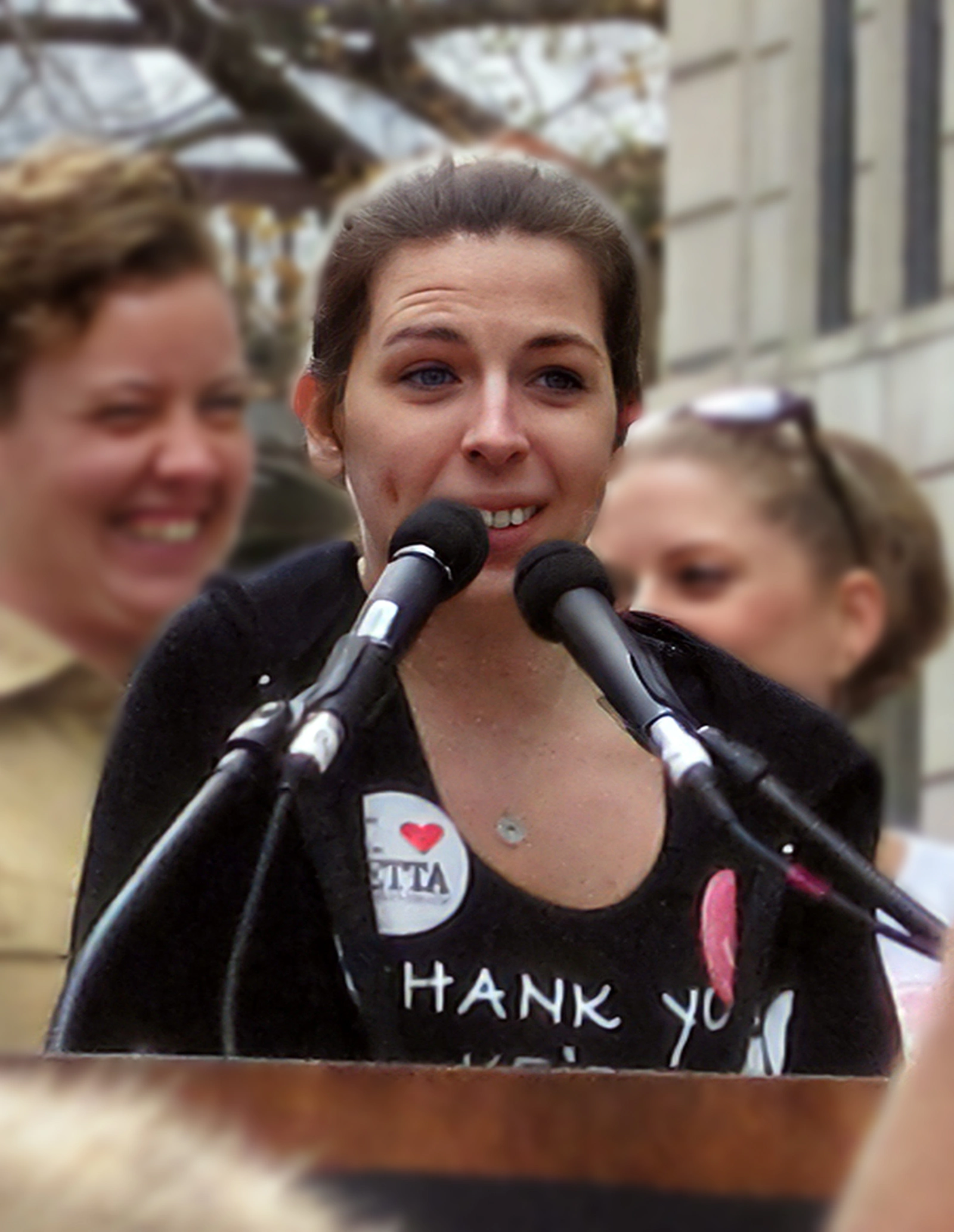
| 4 Quotes | |
| Born as | Heather Christina Marie Matarazzo |
| Occup. | Actress |
| From | USA |
| Born | November 10, 1982 Long Island, New York, USA |
| Age | 43 years |
| Cite | |
Citation Formats
APA Style (7th ed.)
Heather matarazzo biography, facts and quotes. (2026, February 11). FixQuotes. https://fixquotes.com/actors/heather-matarazzo/
Chicago Style
"Heather Matarazzo biography, facts and quotes." FixQuotes. February 11, 2026. https://fixquotes.com/actors/heather-matarazzo/.
MLA Style (9th ed.)
"Heather Matarazzo biography, facts and quotes." FixQuotes, 11 Feb. 2026, https://fixquotes.com/actors/heather-matarazzo/. Accessed 25 Mar. 2026.
Early Life and Background
Heather Christina Marie Matarazzo was born on November 10, 1982, in the United States and adopted as an infant. She grew up in suburban New Jersey in an Italian-American household, a background that later colored her on-screen gift for mixing toughness with vulnerability. In interviews across her career, she has described a childhood with enough stability to nurture ambition, but not so much insulation that the adult world felt abstract or distant.Coming of age in the late 1980s and 1990s - when youth culture was increasingly mediated by MTV, tabloid celebrity, and an expanding indie-film scene - she absorbed early the double-edged nature of visibility. The same era that offered young performers new opportunities also subjected them to constant judgment about bodies, voice, and attitude, pressures that would become part of her inner biography as much as her resume.
Education and Formative Influences
Matarazzo trained as a performer in the practical, audition-driven way of many working child actors: short bursts of formal instruction, relentless casting calls, and on-the-job learning that can mature technique while distorting adolescence. She has spoken about the disorienting split between being a teenager and being publicly recognized, an experience that sharpened her observational instincts and informed the frank, self-protective humor that became her signature.Career, Major Works, and Turning Points
She broke through with a performance that made her instantly identifiable: Dawn Wiener in Todd Solondz's Welcome to the Dollhouse (1995), a role that required precision, fearlessness, and a willingness to inhabit discomfort without pleading for sympathy. The film placed her at the center of 1990s American independent cinema, and she followed it with parts that leaned into smart, anxious, or outsider energy, including the Princess Diaries franchise (as Lilly Moscovitz, 2001-2004), a run on The L Word, and later a long stretch on ABC's Grey's Anatomy and its spinoff Station 19 as Dr. Heather Brooks (2012-2013). A notable turning point came with her portrayal of the ambitious, brittle Hilary Faye in Saved! (2004), which let her satirize moral certainty while still grounding it in human need - a performance that broadened her range beyond the wounded misfit and showed she could play power as well as pain.Philosophy, Style, and Themes
Matarazzo's screen presence is built on specificity: a voice that can cut, a gaze that registers calculation and hurt at once, and timing that turns embarrassment into character rather than punchline. She has often been cast at the intersection of adolescence and scrutiny, and her own reflections illuminate why those stories fit. “I think it magnified it. For me, I wasn't sheltered so I think it was magnified. Especially when you're a teenager and you go to high school and you're in the business and you are known”. That sense of magnification - the ordinary made public, the private turned into a test - helps explain the tension in her best work, where characters defend themselves with sarcasm because sincerity feels dangerous.Her inner themes also include candor about identity and a pragmatic distrust of industry romance. “It's good to get out of the closet and talk about it and find out other people's views”. In her case, openness is less a branding strategy than a method of self-preservation: naming realities reduces their power. Yet she pairs that openness with a clear-eyed view of entertainment as a machine that can be affectionate and indifferent in the same breath. “But especially if you have the wrong people within your circle. Truthfully, at the end of the day, no one cares about you in this business whether they are your agent or your manager or your publicist”. The psychology underneath is not cynicism for its own sake, but a learned boundary - an insistence on chosen family and personal agency after years in a system that rewards compliance and punishes softness.
Legacy and Influence
Matarazzo endures as a touchstone of 1990s indie authenticity and an example of a child star who converted early, uncomfortable visibility into a long working life across film, television, and voice work. Her characters - bullied, brilliant, defensive, yearning - anticipated a later cultural vocabulary about mental health, queer visibility, and the costs of being watched. If her career has moved between cult classics and mainstream franchises, the through line is her refusal to sand down the edges: she made awkwardness legible, made loneliness funny without making it small, and left a template for performers who build power out of frankness rather than polish.Our collection contains 4 quotes written by Heather, under the main topics: Equality - Movie - Work - Youth.
Source / external links