
Herve Villechaize Biography Quotes 6 Report mistakes
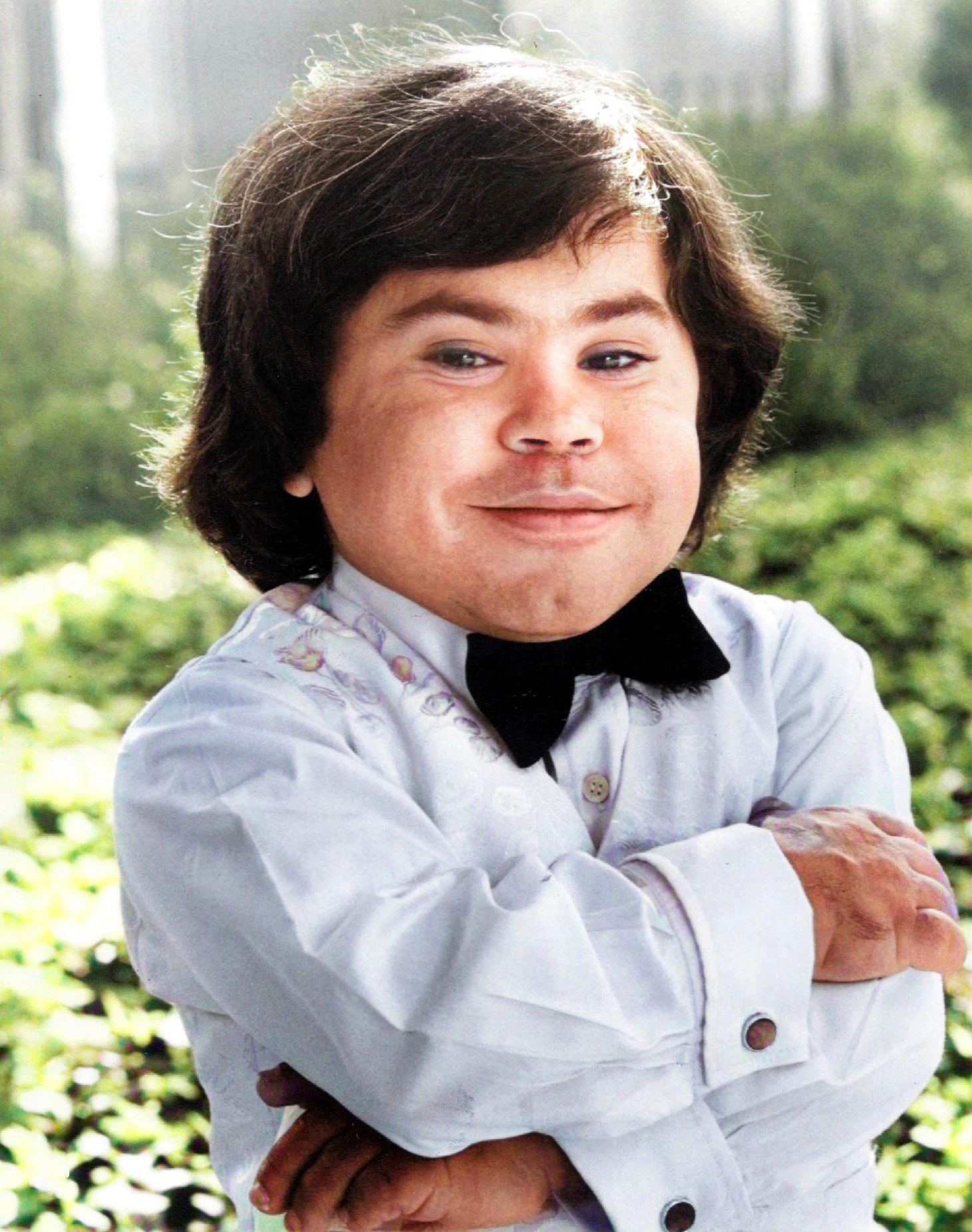
Attr: By ABC Television - eBayfrontback, Public Domain
| 6 Quotes | |
| Born as | Hervé Jean-Pierre Villechaize |
| Occup. | Actor |
| From | France |
| Born | April 23, 1943 Montauban, France |
| Died | September 4, 1993 North Hollywood, California, USA |
| Aged | 50 years |
| Cite | |
Citation Formats
APA Style (7th ed.)
Herve villechaize biography, facts and quotes. (2026, February 11). FixQuotes. https://fixquotes.com/actors/herve-villechaize/
Chicago Style
"Herve Villechaize biography, facts and quotes." FixQuotes. February 11, 2026. https://fixquotes.com/actors/herve-villechaize/.
MLA Style (9th ed.)
"Herve Villechaize biography, facts and quotes." FixQuotes, 11 Feb. 2026, https://fixquotes.com/actors/herve-villechaize/. Accessed 5 Mar. 2026.
Early Life and Background
Herve Jean-Pierre Villechaize was born on April 23, 1943, in Paris, France, into a country still marked by wartime occupation and its aftershocks. He was born with a form of dwarfism, a fact that shaped nearly every public and private encounter of his life. In postwar France, difference could mean invisibility or spectacle, and he learned early that attention often arrived wrapped in cruelty. His small frame did not prevent ambition, but it made every room he entered feel like a test of whether he would be treated as an adult or as a curiosity.The family environment was complicated and, at times, harsh. Villechaize later spoke of isolation in childhood and of a persistent sense of being out of place, an emotional baseline that followed him across continents. France in the 1940s and 1950s was rebuilding materially and psychologically; for him, rebuilding meant forging a self-image sturdy enough to survive strangers' stares and industry gatekeepers. That tension - between pride and vulnerability - became a defining inner weather pattern.
Education and Formative Influences
As a young man, Villechaize trained as an artist, studying drawing and painting and absorbing the Parisian belief that the imagination could reframe suffering into form. The visual arts gave him a language for control: composition, line, and the ability to decide how a body is seen. That discipline later fed his acting, where he fought to turn an audience's gaze from mockery to character, and from spectacle to performance.Career, Major Works, and Turning Points
Villechaize moved to the United States and began collecting small but memorable screen roles in the late 1960s and 1970s, including appearances in projects such as "The Man with the Golden Gun" (1974) as Nick Nack, a part that made him internationally recognizable while also cementing the industry's temptation to typecast him. His greatest fame came from American television: he played Tattoo on "Fantasy Island" (1977-1984), becoming a weekly fixture in millions of homes. The role delivered celebrity and financial security, but also narrowed the range of parts offered to him and intensified conflicts over billing, pay, and dignity. In later years he worked intermittently in film and television, while coping with chronic pain and mounting health problems; on September 4, 1993, he died by suicide in North Hollywood, California, after years of physical suffering and emotional strain.Philosophy, Style, and Themes
Villechaize's inner life was dominated by a lifelong argument with fate: he refused pity, yet he also could not escape how much he needed to be understood as fully human. “At 6 years old I knew there was no place for me”. That sentence is less a memoir detail than a psychological key: it explains why he pursued visibility so fiercely, why he could interpret professional slights as existential erasure, and why applause sometimes failed to quiet the older fear of exclusion. His acting style leaned into precision - a controlled voice, deliberate timing, and a knack for turning a brief entrance into an event - as if craft itself could force the world to look with intention rather than assumption.The public often saw a punchline or a mascot; Villechaize insisted on pride, adulthood, and moral agency. “I've always been a proud man”. Pride, for him, was not vanity but armor: a way to keep pain from rewriting his identity. Yet that armor had cracks, especially when his body became a source of constant distress. “It hurts, it hurts... Im dying, I'm dying”. Read as an unguarded flare of suffering, it suggests how physical pain and emotional exhaustion converged, making dignity feel like work and sometimes like an impossible performance. Underneath the celebrity persona was a man trying to reconcile visibility with respect - and trying to decide, again and again, what self-respect required.
Legacy and Influence
Villechaize remains an emblem of late-20th-century entertainment's contradictions: a performer whose talent and charisma made him famous, and whose body made him vulnerable to reduction. His work on "Fantasy Island" and in the Bond franchise ensured cultural permanence, while his life story continues to influence conversations about representation, typecasting, disability, and the costs of being endlessly watched. For many viewers and later performers with dwarfism, he stands as both a caution and a catalyst - proof that the spotlight can grant power, but also that real inclusion demands roles, narratives, and workplaces that do not confuse difference with destiny.Our collection contains 6 quotes written by Herve, under the main topics: Witty One-Liners - Ethics & Morality - Mortality - Loneliness - I Love You.
Other people related to Herve: Aaron Spelling (Producer)
Frequently Asked Questions
- Hervé Villechaize the plane: Hervé Villechaize famously shouted 'The plane! The plane!' on ‘Fantasy Island’ as the character Tattoo.
- Hervé Villechaize son: Hervé Villechaize did not have a son.
- Patrick Villechaize: Patrick Villechaize is the brother of Hervé Villechaize.
- Hervé Villechaize movies and tv shows: He was known for ‘Fantasy Island’, ‘The Man with the Golden Gun’, and appearances in ‘Airplane II’ and ‘The Forbidden Zone’.
- Philippe Villechaize: Philippe Villechaize is Hervé Villechaize's brother.
- What is Herve Villechaize net worth? At the time of his death, Hervé Villechaize's net worth was estimated to be around $100,000.
- Hervé Villechaize death cause: Hervé Villechaize died by suicide in 1993.
- How old was Herve Villechaize? He became 50 years old
Source / external links