
Idris Elba Biography Quotes 10 Report mistakes
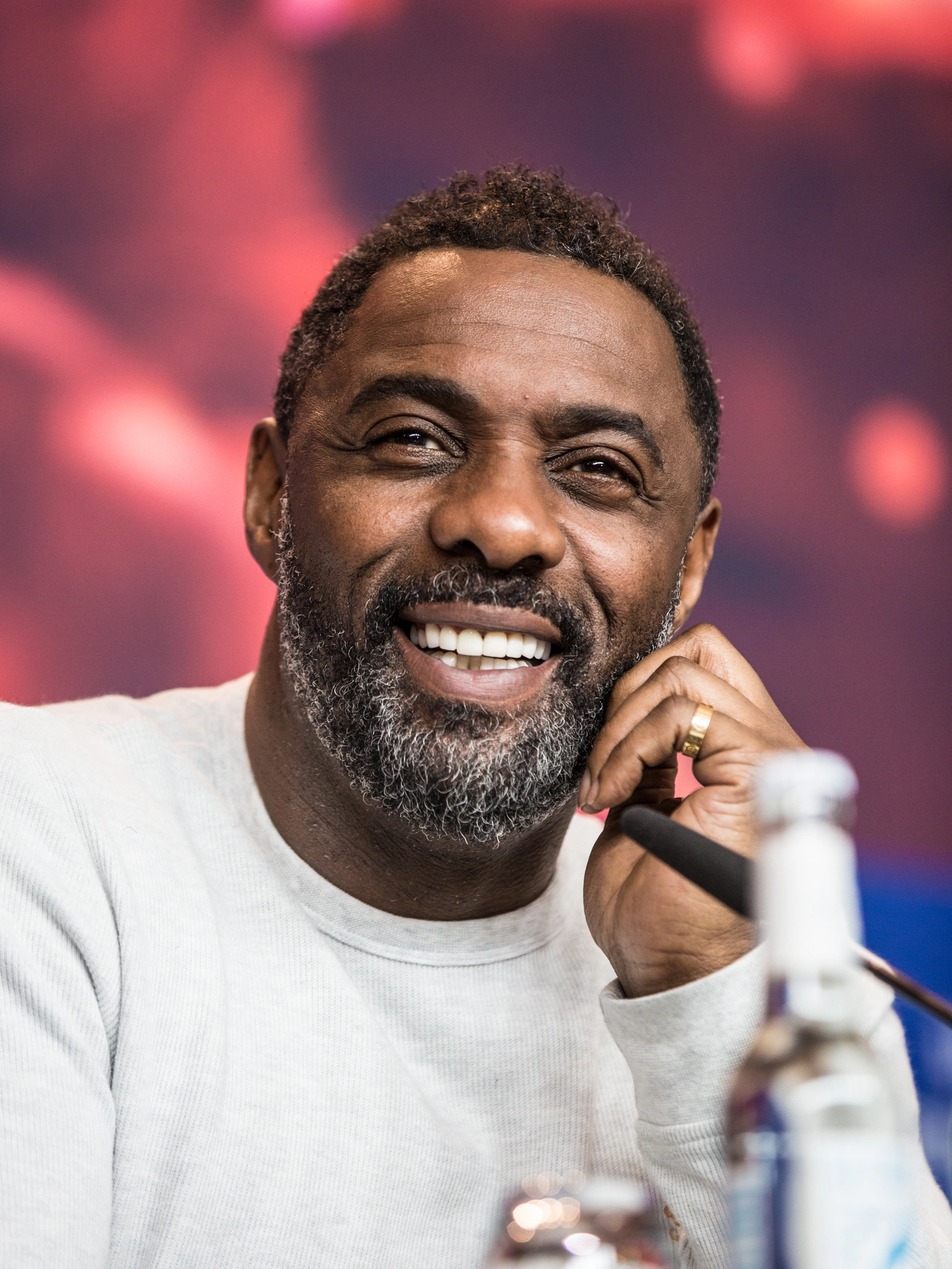
| 10 Quotes | |
| Born as | Idrissa Akuna Elba |
| Occup. | Actor |
| From | United Kingdom |
| Spouses | Hanne Nørgaard (1999-2003) Sonya Nicole Hamlin (2006; ann. 2006) Sabrina Dhowre (2019) |
| Born | September 6, 1972 Hackney, London, England, United Kingdom |
| Age | 53 years |
| Cite | |
Citation Formats
APA Style (7th ed.)
Idris elba biography, facts and quotes. (2026, February 11). FixQuotes. https://fixquotes.com/actors/idris-elba/
Chicago Style
"Idris Elba biography, facts and quotes." FixQuotes. February 11, 2026. https://fixquotes.com/actors/idris-elba/.
MLA Style (9th ed.)
"Idris Elba biography, facts and quotes." FixQuotes, 11 Feb. 2026, https://fixquotes.com/actors/idris-elba/. Accessed 25 Mar. 2026.
Early Life and Background
Idrissa Akuna Elba was born on September 6, 1972, in London, England, and raised largely in East London during a period when the city was reshaping itself after postwar decline and amid tense debates about immigration, policing, and opportunity. His father, Winston Elba, came from Sierra Leone and worked in engineering; his mother, Eve, was from Ghana and worked in clerical roles. The mixture of West African family memory and British working-class reality helped form a sensibility that later made him unusually convincing at playing men who carry multiple selves at once.Growing up, Elba moved through neighborhoods where music, street culture, and ambition mingled with economic constraint. He was drawn early to performance and sound - DJ culture and radio were accessible forms of artistry for a kid without industry connections. That early exposure to rhythm and crowd energy became more than a hobby; it gave him a way to imagine a life beyond narrow expectations, while still speaking in the accents and mannerisms of the streets that shaped him.
Education and Formative Influences
Elba attended school in East London and found that theater offered structure and an outlet for intensity; a key break came through the National Youth Music Theatre, which helped him build craft and confidence while still a teenager. At the same time he supported himself with day jobs and kept DJing, absorbing a practical lesson he would repeat throughout his career: talent is not enough without repetition, reliability, and the willingness to start at the bottom. London in the 1980s and early 1990s rewarded hustle and self-invention, and Elba learned to treat rejection as information, not a verdict.Career, Major Works, and Turning Points
After early television appearances in the UK, Elba widened his range in American TV, where his breakout as Russell "Stringer" Bell in HBO's "The Wire" (2002-2004) turned him into a global actor by fusing calm intelligence with quiet menace. He followed with a very different authority as DCI John Luther in BBC's "Luther" (2010-2019), a role that anchored his stardom and showcased his ability to make obsession and decency coexist in one body. Film work expanded from prestige and genre alike: "Mandela: Long Walk to Freedom" (2013) demanded historical embodiment and emotional restraint; "Beasts of No Nation" (2015) proved his willingness to go raw; blockbusters like "Pacific Rim" (2013), the Marvel films as Heimdall, and later action vehicles such as "The Suicide Squad" (2021) and "Hijack" (2023) kept him in the center of popular culture. In parallel he maintained a serious identity in music as DJ/producer (often as DJ Big Driis), and his increasing work behind the camera signaled a shift from being cast to shaping the terms of his own representation.Philosophy, Style, and Themes
Elba's on-screen signature is controlled heat: he often plays men who seem physically unbreakable yet psychologically porous, carrying grief, duty, or temptation just beneath the surface. His best performances lean on stillness, clipped speech, and sudden flashes of vulnerability - techniques that turn genre roles into character studies. Across "The Wire", "Luther", and his film villains and heroes, a recurring theme is the cost of competence: the more capable the man, the more isolated he becomes. That solitude feels personal rather than performed, as if the actor understands how ambition can estrange you from simpler versions of yourself.His public philosophy frames that ambition as a choice, not a gift. “Success is not something that falls on your lap. You have to really pursue it and work for it”. That mindset aligns with a career built on crossing borders - London to Baltimore, TV to film, acting to music - while resisting the industry's urge to reduce him to one lane: “Don't get labeled. Labels are for food. You keep it up, keep it going, keep it positive”. Even his willingness to court discomfort reads as a creative ethic rather than bravado: “I like the idea of being scared. That’s a sign you’re about to do something really brave”. Taken together, these are not slogans but a psychological map: a man who treats fear as fuel, labor as identity, and reinvention as self-respect.
Legacy and Influence
Elba's enduring impact lies in how he expanded the image of a Black British leading man without asking permission - becoming both a prestige actor and a mass-audience star while keeping a foothold in music and production. For audiences, he normalized complexity: tenderness and threat, elegance and street realism, Britishness and global presence in one figure. For the industry, he helped open casting and storytelling possibilities across the UK and US, showing that origin need not define reach and that charisma paired with craft can redraw the center of popular culture.Our collection contains 10 quotes written by Idris, under the main topics: Motivational - Honesty & Integrity - Work Ethic - Success - Aging.
Other people related to Idris: Kate Winslet (Actress), Loretta Devine (Actress), Dominic West (Actor), Jason Patric (Actor), Jon Favreau (Actor), Charlie Hunnam (Actor), Catherine McCormack (Actress)
Source / external links