
Jack Klugman Biography Quotes 4 Report mistakes
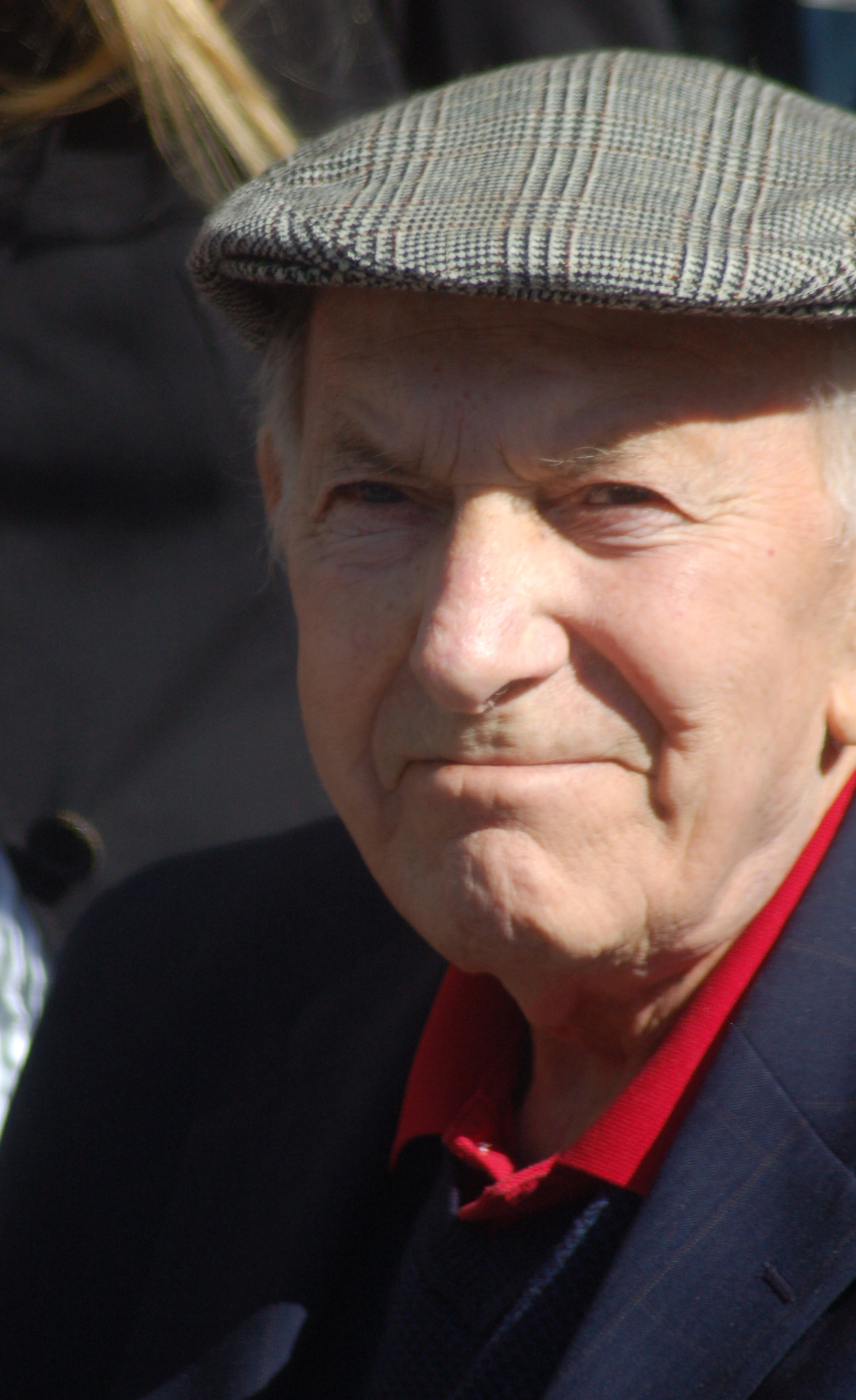
| 4 Quotes | |
| Occup. | Actor |
|---|---|
| From | USA |
| Born | April 27, 1922 |
| Age | 104 years |
| Cite | |
Citation Formats
APA Style (7th ed.)
Jack klugman biography, facts and quotes. (2026, August 13). FixQuotes. https://fixquotes.com/actors/jack-klugman/
Chicago Style
"Jack Klugman biography, facts and quotes." FixQuotes. August 13, 2026. https://fixquotes.com/actors/jack-klugman/.
MLA Style (9th ed.)
"Jack Klugman biography, facts and quotes." FixQuotes, 13 Aug. 2026, https://fixquotes.com/actors/jack-klugman/. Accessed 7 Oct. 2026.
Early Life and Background
Jack Klugman was born Jacob Joachim Klugman on April 27, 1922, in Philadelphia, Pennsylvania, the youngest of six children in a Jewish immigrant family. His father, Max, was a house painter from Russia; his mother, Rose, was born in Canada to Russian Jewish parents. He grew up during the Depression in a working-class household where money was scarce, status was nonexistent, and survival depended on wit, resilience, and family loyalty. Those conditions mattered. Klugman's later screen persona - abrasive, wounded, funny, defensive, and deeply humane - drew less from theatrical polish than from neighborhoods where pride and humiliation lived side by side.
Philadelphia in his youth was an ethnic, crowded, unsentimental city, and Klugman absorbed its cadences. He was not groomed for celebrity; he came out of a world that taught him to notice social rank, to distrust pretension, and to recognize desperation in ordinary people. That instinct gave him unusual authority in roles built from disappointment - small-time men, strivers, losers, and survivors. Even at his most comic, there was often a bruise under the joke. He carried into acting the memory of insecurity, and it became one of his great artistic resources.
Education and Formative Influences
Klugman attended Carnegie Institute of Technology in Pittsburgh, now Carnegie Mellon, where he studied drama before military service during World War II interrupted the path. The training gave him technique, but his real education came from postwar New York, where live television, Broadway, and the Actors Studio era were reshaping American performance. He worked his way through uncertainty, taking odd jobs and enduring long stretches of rejection while studying the emotional realism then revolutionizing stage and screen acting. He admired actors such as John Garfield, whose urban intensity offered a model of masculine vulnerability; Klugman's own later admission that imitation extended even to destructive habits reveals how strongly he responded to authenticity and toughness as ideals. In that atmosphere - crowded with veterans, children of immigrants, and ambitious outsiders - he found the dramatic language that suited him: anti-glamorous, precise, and alive to class.
Career, Major Works, and Turning Points
Klugman broke through in the great age of live television and serious stage drama, building a reputation in the 1950s as a formidable character actor. He appeared in Reginald Rose's "Twelve Angry Men" in its original 1954 television version and then in the 1957 film, where his juror embodied ordinary prejudice and uneasy conscience. Broadway established him further: his performance as the schlubby, abandoned Oscar Madison in Neil Simon's "The Odd Couple" led to the role that made him a national television star opposite Tony Randall from 1970 to 1975. Before and after that success, he showed remarkable range in anthology television, supporting film work, and guest performances, winning Emmy Awards for "The Defenders" and "The Odd Couple". In 1976 he moved into another signature role as Dr. R. Quincy, the relentless Los Angeles medical examiner in "Quincy, M.E"., a series that turned forensic investigation into moral argument and helped popularize public interest in medical-legal procedure. A grave personal turning point came with throat cancer in the late 1980s, linked to years of smoking; surgery left him with a damaged voice and temporarily threatened the craft on which he had built his identity. He fought back, returned to performance, and later acted on stage and screen with the same defiant roughness that had always distinguished him.
Philosophy, Style, and Themes
Klugman's acting was grounded in deprivation, appetite, and stubborn dignity. He understood that class leaves marks on the body - on how a man jokes, lies, bargains, eats, or hides shame. “Poverty can teach lessons that privilege cannot”. That remark was not slogan but key. His best work refused sentimental uplift; he played men shaped by limits, often combative because they feared erasure. In "The Odd Couple", Oscar Madison was hilarious because his disorder was not merely comic sloppiness but emotional leakage - loneliness, appetite, panic at domestic failure. In courtroom dramas and social issue television, Klugman specialized in conscience under pressure, bringing moral seriousness without self-importance.
He also revealed, sometimes bluntly, the private compulsions beneath performance. “I saw John Garfield smoke. He was my idol, so I smoked. I even smoked like him”. The line is almost painfully revealing: a young actor absorbing style as destiny, turning admiration into self-harm because masculinity and artistry seemed inseparable from borrowed gestures. Decades later, after illness interrupted his career, he described the psychic violence of dispossession: “I was at the pinnacle of my career one day and the next day I was put out to pasture. I felt like a race horse with a broken leg”. That image captures both his vanity and his honesty. For Klugman, acting was not ornament or profession alone; it was identity, rhythm, proof of usefulness. Even his damaged voice eventually became expressive - rougher, more mortal, carrying the cost of the life that produced it.
Legacy and Influence
Jack Klugman died in 2012, but his influence remains unusually durable because he helped define a specifically American kind of screen truth: unsleek, urban, funny, wounded, and morally alert. He bridged the era of live television, New York stage realism, classic studio film, and socially conscious 1970s television without losing his core instrument - the ability to make ordinary men fully legible. As Oscar Madison he made male failure lovable without softening it; as Quincy he turned procedural entertainment toward civic critique; across decades he showed that a leading man could look tired, sound abrasive, and still command deep affection. Later actors who play working-class intelligence, comic exasperation, and hidden vulnerability owe something to the path he cleared. Klugman's art endures because it never tried to erase the struggle that made him.
Last updated August 2026 · Editorial standards
Our collection contains 4 quotes written by Jack, under the main topics: Wisdom - Health - Career - Retirement.
Source / external links