
Jack Nance Biography Quotes 7 Report mistakes
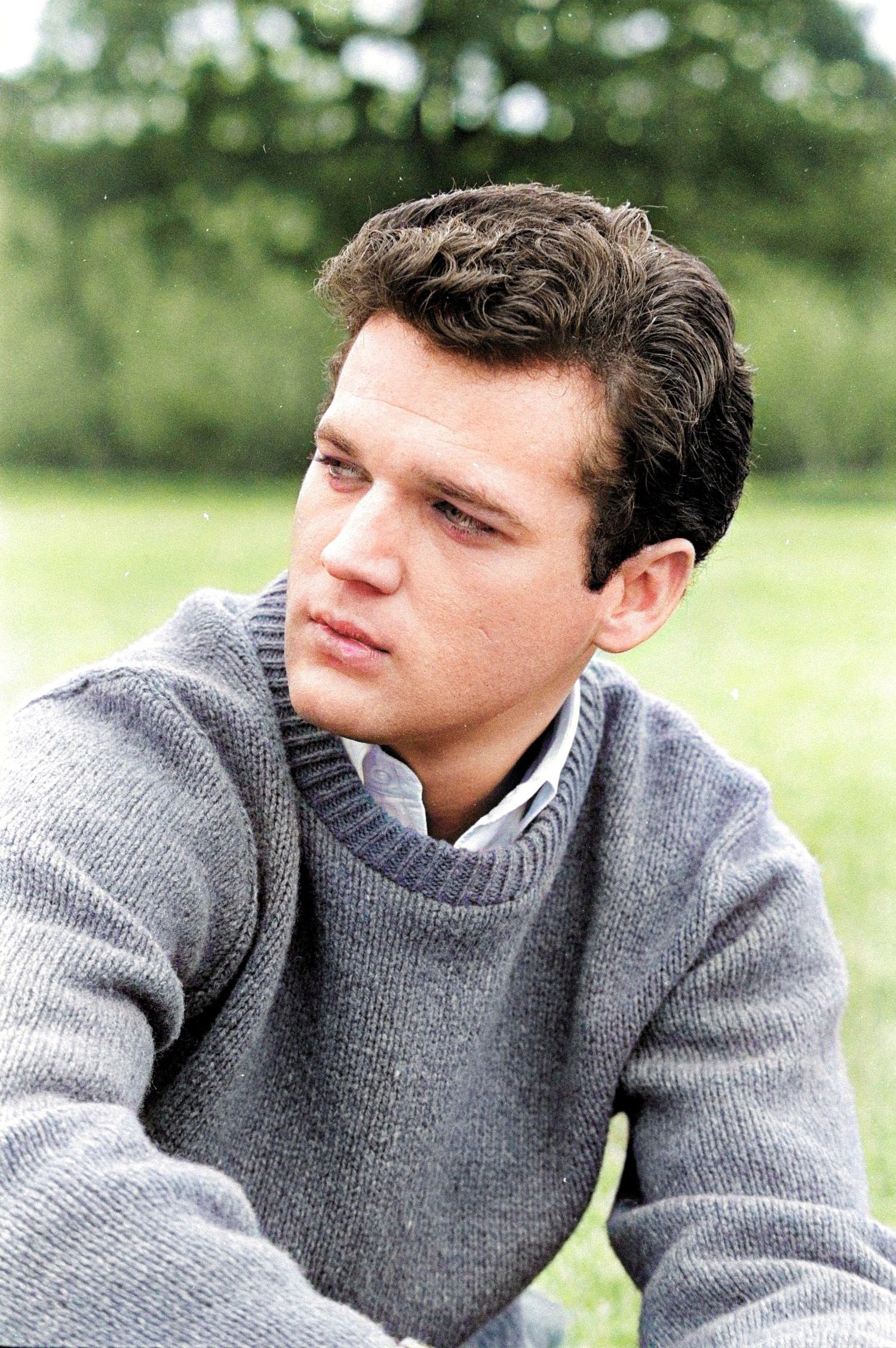
| 7 Quotes | |
| Born as | Marvin John Nance |
| Occup. | Actor |
| From | USA |
| Born | December 21, 1943 Dallas, Texas, USA |
| Died | December 30, 1996 Los Angeles, California, USA |
| Cause | Brain Hemorrhage |
| Aged | 53 years |
| Cite | |
Citation Formats
APA Style (7th ed.)
Jack nance biography, facts and quotes. (2026, February 11). FixQuotes. https://fixquotes.com/actors/jack-nance/
Chicago Style
"Jack Nance biography, facts and quotes." FixQuotes. February 11, 2026. https://fixquotes.com/actors/jack-nance/.
MLA Style (9th ed.)
"Jack Nance biography, facts and quotes." FixQuotes, 11 Feb. 2026, https://fixquotes.com/actors/jack-nance/. Accessed 13 Feb. 2026.
Early Life and Background
Marvin John "Jack" Nance was born on December 21, 1943, in Boston, Massachusetts, into a mid-century America that promised stability while quietly generating its own unease - Cold War dread, suburban sameness, and the disorienting churn of postwar media. He grew up amid that tension, drawn less to showy ambition than to the odd details of personality: the pauses, the tics, the hidden weather of ordinary people.By his early adulthood he was living on the West Coast, part of the loose, improvisatory ecosystem of actors, musicians, and artists that clustered around Los Angeles in the 1960s and early 1970s. Nance was not a conventional star-in-waiting; he read as approachable, even plain, yet his face carried a kind of haunted alertness - an ability to look both comic and cornered, which would become his signature in the strange new American cinema that followed the collapse of the studio system.
Education and Formative Influences
Nance trained in theater rather than through a single famous conservatory, learning stage discipline and the actor's essential craft: being readable from a distance while remaining emotionally specific. He came of age as Method-inflected realism mixed with countercultural experimentation; alongside the era's political upheaval and aesthetic risk-taking, he absorbed an ethic of commitment to character over glamour, and a comfort with low budgets, uncertain schedules, and directors who were inventing language as they went.Career, Major Works, and Turning Points
Nance's life changed when he met David Lynch and became the fixed point in Lynch's evolving repertoire company. His breakthrough was the lead in Eraserhead (shot over years in the 1970s, released in 1977), where he played Henry Spencer, a baffled young man trapped in industrial dread and domestic panic; the film's midnight-movie afterlife made Nance's anxious stillness iconic. He remained a loyal Lynch collaborator through Dune (1984) as Nefud, Blue Velvet (1986), Twin Peaks (1990-1991) as Pete Martell, and Wild at Heart (1990), while also working widely in film and television, often as the offbeat friend, the working stiff, the man on the edge of understanding. In the 1990s he was still working steadily when he died suddenly in Los Angeles on December 30, 1996, at 53, his death cutting short a late-career period in which his warmth and oddness were being newly valued.Philosophy, Style, and Themes
Nance's best performances are studies in the psychology of the ordinary person confronted by the unnameable. He played bewilderment not as a gag but as a moral condition: a decent man trying to behave correctly while reality slips its rules. That quality fit Lynch's world because Nance could embody innocence without sentimentality and fear without melodrama; even his silences felt like thought. He understood that the uncanny works best when it inhabits the familiar, and he articulated that sensibility plainly: "We've all got strange things about us and Lynch picks those things up". In that line is his own self-diagnosis - an actor aware that his value lay in offering up human irregularities, not polishing them away.His collaboration with Lynch was also, by Nance's account, a kind of emotional apprenticeship in intensity and control. "But Eraserhead was the first real intense kind of thing I had ever done before the cameras and Lynch had to really bring me down a lot and he still does". The phrase "bring me down" reveals how Nance experienced the work: not as playing weirdness, but as being calibrated - his nervous energy shaped into a precise, watchable register. And he could pivot from nightmare to neighborly kindness without breaking continuity; speaking of his Twin Peaks persona, he emphasized the plain goodness at the core: "And now comes Pete Martell in Twin Peaks and he's just a nice guy". That "nice guy" was never empty - it was the fragile membrane separating community from chaos.
Legacy and Influence
Nance endures as one of American film's essential character actors of the late 20th century, a face that helped define the tone of art-house surrealism while remaining grounded in working-class reality. His Henry Spencer became a template for the anxious everyman in cult cinema; his Pete Martell proved he could make decency memorable, giving Twin Peaks some of its most human oxygen. More broadly, Nance's career demonstrated the power of repertory collaboration - the way an actor's inner weather can become part of a director's vocabulary - and his performances remain a touchstone for actors seeking to play the uncanny as lived experience rather than stylized effect.Our collection contains 7 quotes written by Jack, under the main topics: Witty One-Liners - Movie.
Other people related to Jack: Piper Laurie (Actress), Conway Twitty (Musician)
Source / external links