
Jane Wyman Biography Quotes 3 Report mistakes
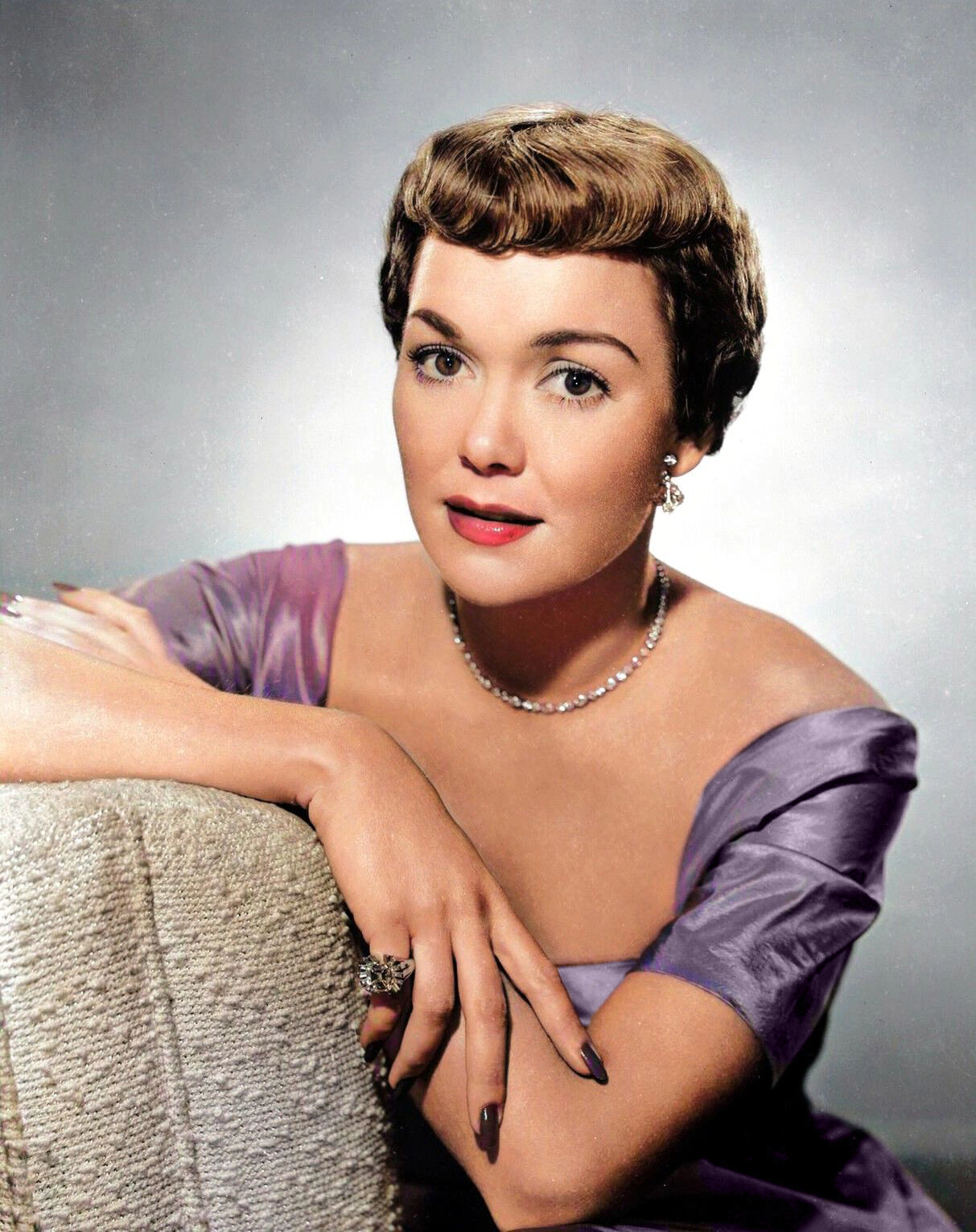
Attr: Studio Publicity
| 3 Quotes | |
| Born as | Sarah Jane Mayfield |
| Occup. | Actress |
| From | USA |
| Spouse | Ronald Reagan |
| Born | January 5, 1917 St. Joseph, Missouri, USA |
| Died | September 10, 2007 Rancho Mirage, California, USA |
| Cause | Natural Causes |
| Aged | 90 years |
| Cite | |
Citation Formats
APA Style (7th ed.)
Jane wyman biography, facts and quotes. (2026, February 11). FixQuotes. https://fixquotes.com/actors/jane-wyman/
Chicago Style
"Jane Wyman biography, facts and quotes." FixQuotes. February 11, 2026. https://fixquotes.com/actors/jane-wyman/.
MLA Style (9th ed.)
"Jane Wyman biography, facts and quotes." FixQuotes, 11 Feb. 2026, https://fixquotes.com/actors/jane-wyman/. Accessed 27 Mar. 2026.
Early Life and Background
Jane Wyman was born Sarah Jane Mayfield on January 5, 1917, in St. Joseph, Missouri, in a period when the American Midwest still felt the long shadow of World War I and the oncoming convulsions of the Depression. Her earliest story was one of instability and self-invention: she was raised away from her birth parents and later used the name Jane Wyman as she built a public identity that could travel farther than her origins. The details she shared about childhood shifted over time, a common strategy among studio-era performers who learned that a workable myth could be as professionally useful as a resume.That habit of guardedness did not erase the emotional facts beneath it. Wyman came of age watching the United States turn hardship into spectacle - radio, movies, and dance halls offered escape, and she gravitated toward the disciplines that rewarded poise under pressure. In an industry that treated actresses as both product and person, her early experiences helped cultivate a private core: she rarely advertised pain, but she knew how to let it appear, precisely measured, on screen.
Education and Formative Influences
Her formal schooling was uneven, shaped by the practical need to earn rather than study, but her real education came from performance work and the studio system itself. She trained her voice, timing, and physical control in the way working entertainers did in the 1930s - by repetition, rejection, and incremental upgrades in better roles. The era favored actresses who could pivot between light musical material and sober drama, and Wyman absorbed that lesson early, learning to treat craft as a form of survival rather than self-expression.Career, Major Works, and Turning Points
Wyman entered films in the 1930s and gradually moved from uncredited parts to recognizable supporting roles, then to leading status at Warner Bros., where the postwar appetite for serious melodrama suited her. Her breakthrough as a dramatic force arrived with Johnny Belinda (1948), in which she played a deaf-mute assault survivor with a clarity that avoided both sentimentality and showy pity; it earned her the Academy Award for Best Actress and redefined her image from pleasant blonde to formidable interpreter of damage and endurance. In the 1950s she remained a bankable star, notably in Douglas Sirk's Technicolor melodramas such as All That Heaven Allows (1955), where her performance captured the era's tension between suburban respectability and personal longing. A later turning point came with television: as Angela Channing on Falcon Crest (1981-1990), she translated old Hollywood authority into weekly, serialized power, extending her relevance across generations.Philosophy, Style, and Themes
Wyman's style was built on restraint - an actress who could suggest whole arguments with a pause, a lowered gaze, a careful turn of the shoulders. Even when playing characters trapped by small-town judgment or family coercion, she rarely begged for sympathy; she made the audience do the moral work. Her screen presence treated emotion like a guarded room: the door opened only at moments of maximum impact, which is why her suffering in Johnny Belinda and her dignified panic in Sirk's domestic dramas still read as modern. Beneath the polish was a working performer's skepticism about publicity and applause, visible in her famously dry acceptance posture: “I won this award for keeping my mouth shut, so I think I'll do it again now”. The line is funny, but it also signals a psychology trained to protect the self by controlling the narrative.Her recurring themes were connection, cost, and the limits of romance as a social solution. Wyman's personal life, including a high-profile marriage to Ronald Reagan and its aftermath, unfolded under the same cultural expectations her films examined: that a woman should be completed by domestic permanence. She punctured that idea with blunt self-diagnosis: “I guess I just don't have a talent for it, some women just aren't the marrying kind - or anyway, not the permanent marrying kind, and I'm one of them”. That candor illuminates the tension in many of her roles - women who perform duty competently yet hunger for a more spacious identity. At the same time, she was not a nihilist; her best work insists on human recognition as a daily practice rather than a grand gesture, echoing her belief that “The opportunity for brotherhood presents itself every time you meet a human being”. In Wyman's hands, compassion was not softness but discipline.
Legacy and Influence
Jane Wyman died on September 10, 2007, in the United States, leaving a career that maps Hollywood's shift from studio manufacture to television longevity. She endures as a model of unsentimental feeling: an actress who made silence expressive, who treated melodrama as moral inquiry, and who demonstrated that authority on screen can be built from control rather than volume. From Johnny Belinda to Falcon Crest, her work helped define the American archetype of the composed woman whose inner life is deeper than the world allows her to say.Our collection contains 3 quotes written by Jane, under the main topics: Witty One-Liners - Kindness - Marriage.
Other people related to Jane: Maureen Reagan (Celebrity), Michael Reagan (Radio host), Ray Milland (Actor), Rock Hudson (Actor), Michael Wilding (Actor), Susan Sullivan (Actress), Hayley Mills (Actress)
Source / external links