
Jason Segel Biography Quotes 12 Report mistakes
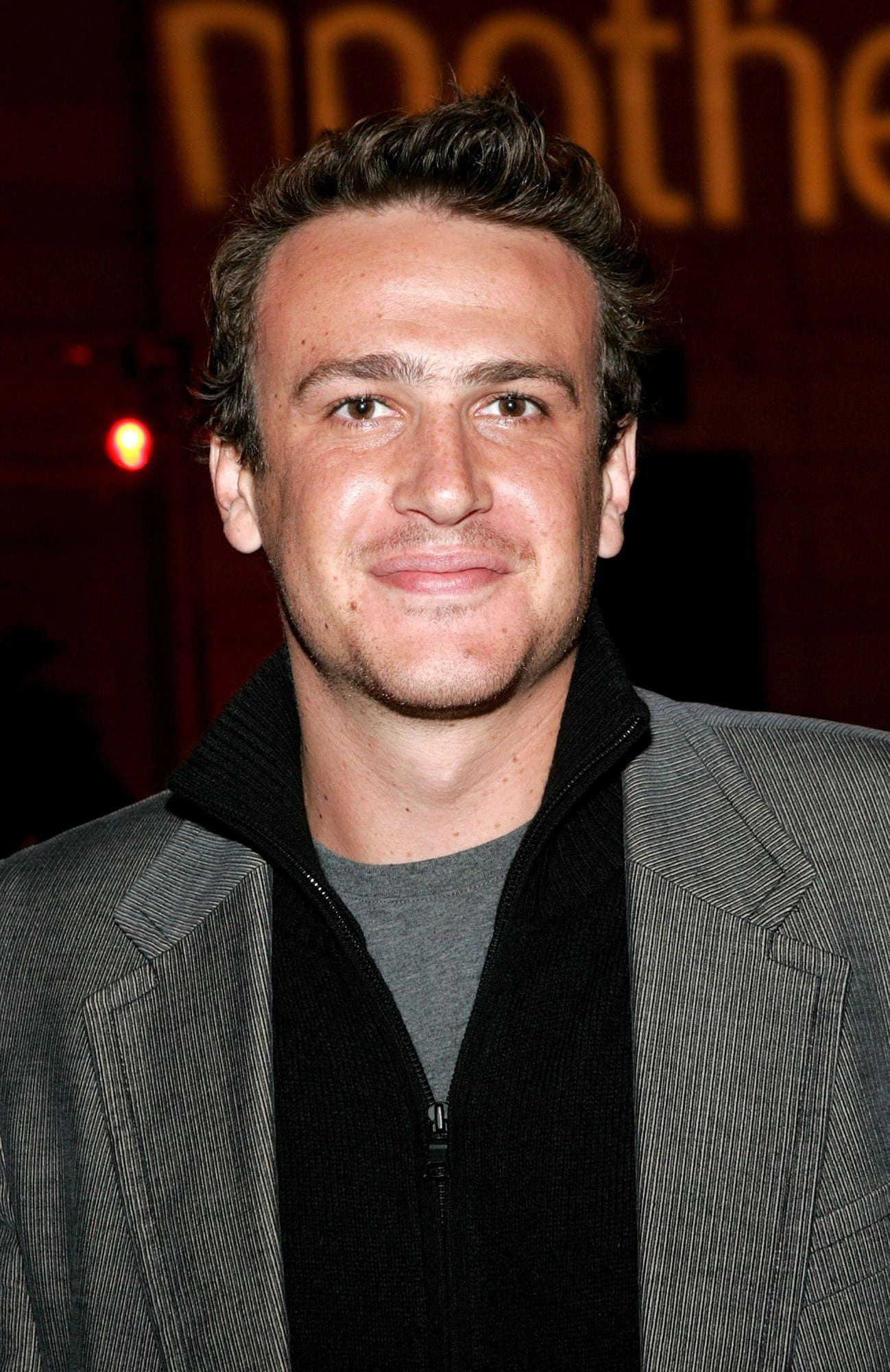
| 12 Quotes | |
| Occup. | Actor |
| From | USA |
| Born | January 18, 1980 |
| Age | 46 years |
| Cite | |
Citation Formats
APA Style (7th ed.)
Jason segel biography, facts and quotes. (2026, March 10). FixQuotes. https://fixquotes.com/actors/jason-segel/
Chicago Style
"Jason Segel biography, facts and quotes." FixQuotes. March 10, 2026. https://fixquotes.com/actors/jason-segel/.
MLA Style (9th ed.)
"Jason Segel biography, facts and quotes." FixQuotes, 10 Mar. 2026, https://fixquotes.com/actors/jason-segel/. Accessed 22 Mar. 2026.
Early Life and Background
Jason Jordan Segel was born on January 18, 1980, in Los Angeles County, California, and grew up in the Pacific Palisades, a coastal enclave where privilege, entertainment industry proximity, and adolescent insecurity often mixed in volatile ways. His father, Alvin Segel, worked as a lawyer, his mother, Jillian Jordan, was involved in the home and family sphere, and Segel was raised in a household shaped by both Jewish and Christian influences. That mixed inheritance mattered: it gave him an outsider-insider sensibility that later became central to his comic persona - emotionally exposed, faintly awkward, eager to belong but suspicious of easy belonging.
Physically, he stood out early. Tall, broad, and conspicuous long before adulthood, he developed the self-deprecating wit that often becomes armor for children whose bodies make them visible before they are socially ready. He attended St. Matthew's Parish School and later Harvard-Westlake, where he played basketball seriously enough to imagine alternate futures, while also moving toward performance. Southern California in the 1980s and 1990s offered him a front-row seat to the machinery of celebrity, but Segel's later work suggests that what impressed him most was not glamour; it was vulnerability, failure, and the spectacle of people trying very hard not to be humiliated.
Education and Formative Influences
At Harvard-Westlake School, Segel encountered both competitive athletics and the theatrical instincts that would define him more lastingly. He acted in school productions, absorbed the rhythms of Los Angeles youth culture, and came of age during a period when American screen comedy was shifting from slick star vehicles to more confessional, character-based forms. He has often cited the Muppets as a major imaginative inheritance, and that is revealing: Jim Henson's universe combined absurdity, melancholy, ensemble warmth, and a faith that misfits could build a show out of scraps. Early television opportunities followed, especially after casting director and producer Judd Apatow noticed him, but Segel's formative education was less conservatory than emotional - learning how to turn embarrassment, longing, and gawky sincerity into a usable artistic language.
Career, Major Works, and Turning Points
Segel's first major breakthrough came as Nick Andopolis in the cult series Freaks and Geeks (1999-2000), where his size, softness, and comic timing made him memorable in an ensemble now recognized as a generational talent cluster. Though the show was short-lived, it connected him to Apatow's creative orbit and to a new American comic mode built on flawed men, delayed adulthood, and bruised sentiment. He continued on Undeclared and then reached broad visibility as Marshall Eriksen on How I Met Your Mother (2005-2014), giving the long-running sitcom its emotional center: loyal, romantic, physically comic, and unexpectedly tender. Film expanded his range - Knocked Up, Forgetting Sarah Marshall, which he also wrote, I Love You, Man, Bad Teacher, and The Five-Year Engagement - while his screenplay for The Muppets (2011), co-written with Nicholas Stoller, fulfilled a personal mission and revived a dormant franchise with affection rather than irony. Later turns in Jeff, Who Lives at Home, The End of the Tour as David Foster Wallace, and the series Shrinking showed a deepening seriousness. The pattern across these turning points is clear: Segel repeatedly moved from "funny big guy" casting into authorship and then into performances that used comedy as a route to loneliness, grief, and moral uncertainty.
Philosophy, Style, and Themes
Segel's comedy is rooted in the body under social pressure: too large, too earnest, too revealing, too needy. He has never hidden how humiliation shaped his sense of humor. “I've been 6'4'' since I was 12. Goofy is somewhere in the lexicon”. That line is more than a joke; it is a biographical key. Segel learned early that comic control could be seized by naming one's own ungainliness before others weaponized it. This became one of his signature strengths as a writer-performer. In Forgetting Sarah Marshall, in Marshall Eriksen's undimmed decency, and even in his dramatic work, he returns to men whose embarrassment is inseparable from their humanity. He has also been frank about the barren interval between adolescence and full adult casting: “There were some super-lean years, yeah. I'm six feet four. And I entered into this period all of a sudden when I was too big to play a kid and I was too young to play an adult”. Psychologically, that limbo sharpened his sympathy for characters stranded between identities.
His best work lives in unstable tonal territory, where sweetness risks awkwardness and desire risks intrusion. “If you can find the line between sympathetic and creepy, you have reached a very funny area”. That remark explains much of Segel's artistic intelligence. He understands that modern intimacy is comic precisely because sincerity can curdle into desperation in seconds. Yet he counterbalances that anxiety with a near-old-fashioned belief in communal feeling, which helps explain his bond with the Muppets. He once said, "Kermit was the Everyman, the original Tom Hanks, but I have a special place in my heart for Fozzie Bear. The classic borderline hacky entertainer" . In that pairing - Kermit's decency and Fozzie's valiant corniness - one sees Segel's ideal self: emotionally trustworthy, but willing to bomb in public if that is the price of genuine connection.
Legacy and Influence
Jason Segel's legacy lies in helping redefine masculine screen comedy for the 2000s and 2010s. He made room for the visibly vulnerable man - heartbroken, childish, affectionate, sexually embarrassed, but not cynical - at a time when American comedy often rewarded detachment. As an actor, writer, and occasional producer, he helped bridge network sitcom warmth, Apatow-era confession, franchise nostalgia, and prestige-adjacent drama. His Muppets revival demonstrated that cultural restoration works best when driven by love rather than corporate calculation, and his later performances confirmed that his looseness as a comic actor concealed real dramatic depth. Segel's enduring influence is not that he made awkwardness fashionable; it is that he treated awkwardness as evidence of a soul still reaching outward.
Our collection contains 12 quotes written by Jason, under the main topics: Witty One-Liners - Funny - Puns & Wordplay - Writing - Movie.
Other people related to Jason: Casey Affleck (Actor)
Source / external links