
Jennifer Beals Biography Quotes 22 Report mistakes
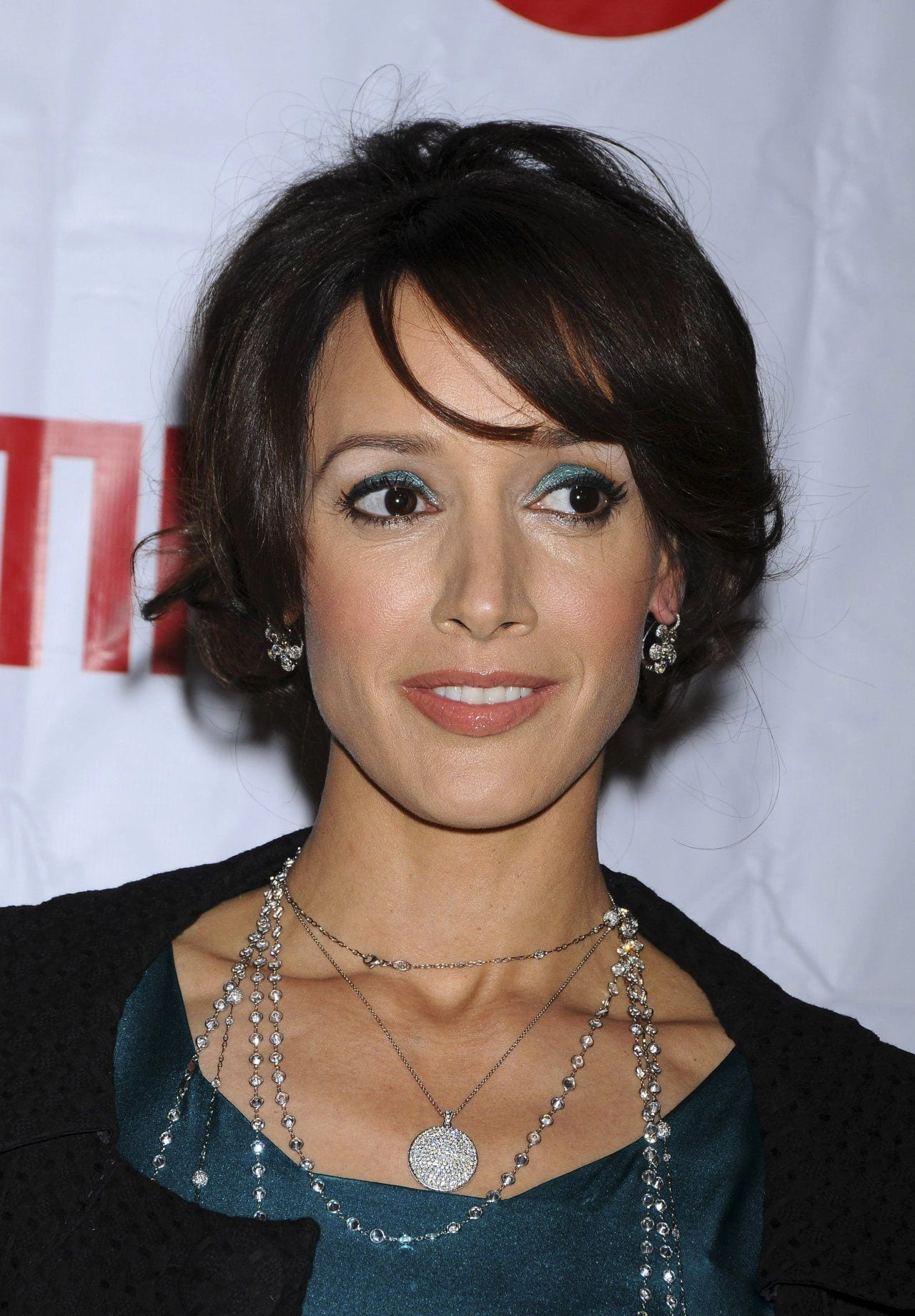
| 22 Quotes | |
| Born as | Jennifer Sue Beals |
| Occup. | Actress |
| From | USA |
| Spouses | Alexandre Rockwell (1986-1996) Ken Dixon (1998) |
| Born | December 19, 1963 Chicago, Illinois, USA |
| Age | 62 years |
| Cite | |
Citation Formats
APA Style (7th ed.)
Jennifer beals biography, facts and quotes. (2026, February 11). FixQuotes. https://fixquotes.com/actors/jennifer-beals/
Chicago Style
"Jennifer Beals biography, facts and quotes." FixQuotes. February 11, 2026. https://fixquotes.com/actors/jennifer-beals/.
MLA Style (9th ed.)
"Jennifer Beals biography, facts and quotes." FixQuotes, 11 Feb. 2026, https://fixquotes.com/actors/jennifer-beals/. Accessed 26 Mar. 2026.
Early Life and Background
Jennifer Sue Beals was born on December 19, 1963, in Chicago, Illinois, at a moment when the city was redefining itself through postwar migration, racial politics, and a gritty, improvisational arts scene. Her father, Alfred Beals, was African American; her mother, Jeanne, was Irish American. The interlocking realities of Chicago - neighborhood boundaries, class, and the daily negotiation of identity - formed an early template for the kind of screen presence she would later bring: watchful, self-possessed, and emotionally precise.When Beals was young, her father died, and her mother remarried. The loss and the reshaping of family life pushed her inward and made observation a habit. Friends and teachers later described a quiet intelligence paired with a willingness to take creative risks. That combination - reserve on the surface, intensity underneath - became a defining feature of her acting, especially when she played characters who were, like her, navigating more than one world at once.
Education and Formative Influences
Beals attended the progressive Francis W. Parker School in Chicago, where debate, literature, and performance were treated as serious disciplines rather than extracurricular decoration. The school culture encouraged curiosity and self-authorship, and she gravitated toward both writing and theater - arts that reward precision and empathy. She later studied American literature at Yale University, a training that sharpened her sense of subtext, voice, and the mechanics of character - tools that helped her avoid the trap of being defined solely by early fame.Career, Major Works, and Turning Points
Beals broke through with Flashdance (1983), playing Alex Owens, a steel-mill welder and dancer whose ambition aligned perfectly with the era's MTV aesthetics and blue-collar uplift mythology. The film became a cultural phenomenon and turned Beals into an emblem of 1980s aspiration, even as the production's use of dance doubles complicated public perceptions of her performance. Rather than chase only glossy stardom, she built a career marked by pivots: the vampire-romance noir The Bride (1985), the interracial love story and political indictment of apartheid in A Dry White Season (1989), and later a long-form reinvention on television as Bette Porter in The L Word (2004-2009), a role that expanded her influence beyond cinema and into community visibility. Subsequent work, including the crime drama The Chicago Code (2011) and Showtime's The L Word: Generation Q (2019-2023), showed a performer increasingly interested in power, responsibility, and the public consequences of private choices.Philosophy, Style, and Themes
Beals' method is grounded in trust and the ethics of vulnerability. She has spoken about the chemistry of good scene work in terms that sound almost athletic: “You automatically are trusting because not only is the person a friend, they are so incredibly gifted that you know someone is going to be able to hit the ball back to you across the net”. That metaphor reveals a psychology oriented toward partnership rather than domination - she is most compelling when the camera catches her listening, calibrating, letting the other actor's energy change her. It is also why her best performances often carry a quiet tension: she plays people who manage their feelings as carefully as their words.Her work repeatedly returns to the idea that intimacy is a craft with moral stakes. Discussing on-screen sex scenes, she draws a line between fear and truthfulness: “The love scenes that worked, regardless of the director, were the ones where the actors weren't fearful. When somebody was fearful, you could see it right away. It takes you out of the story, and that's to be avoided at all costs”. The statement doubles as an acting credo and a worldview. Fear reads; fear isolates. By contrast, Beals' characters - from Alex Owens' fierce self-invention to Bette Porter's complicated leadership - tend to be at their most human when they risk exposure. Even when playing ambition or control, she leans toward emotional realism over melodrama, letting contradictions stand rather than smoothing them into a single likable surface.
Legacy and Influence
Beals' legacy is twofold: she remains a permanent reference point for 1980s popular culture, and she helped normalize complex queer-centered storytelling on mainstream television through The L Word and its continuation. Her career has also become a case study in how a performer can outlast a defining early role by choosing projects that widen, rather than narrow, public imagination. For audiences and younger actors, she endures as proof that charisma can be quieter than hype - built from intelligence, restraint, and a willingness to treat intimacy, identity, and ambition as serious dramatic material.Our collection contains 22 quotes written by Jennifer, under the main topics: Ethics & Morality - Funny - Friendship - Writing - Parenting.
Other people related to Jennifer: Kelly Lynch (Actress), Katherine Moennig (Actress)
Source / external links