
Joan Bennett Biography Quotes 3 Report mistakes
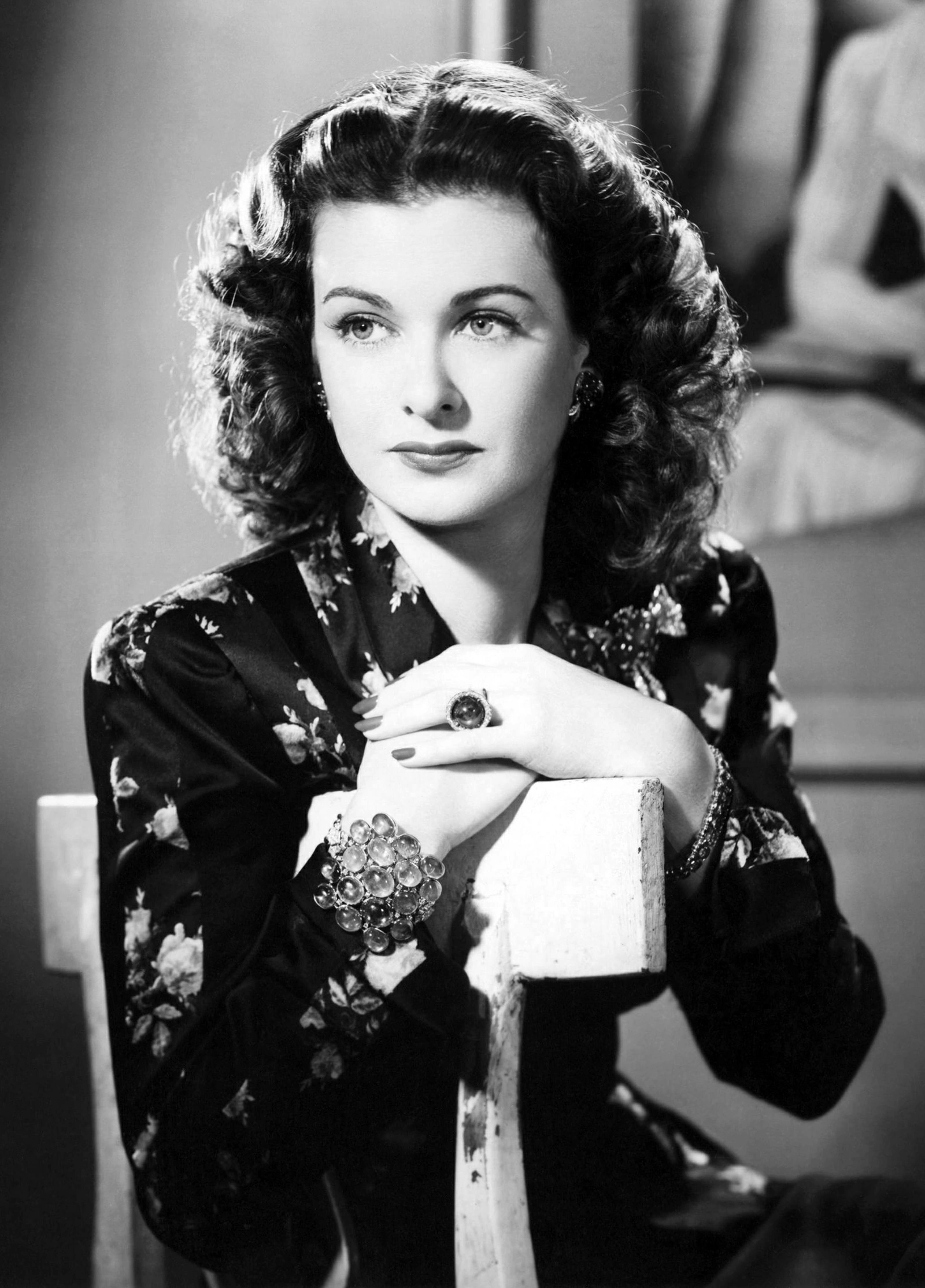
| 3 Quotes | |
| Born as | Joan Geraldine Bennett |
| Occup. | Actress |
| From | USA |
| Born | February 27, 1910 Palisades Park, New Jersey, U.S. |
| Died | December 7, 1990 Scarsdale, New York, U.S. |
| Aged | 80 years |
| Cite | |
Citation Formats
APA Style (7th ed.)
Joan bennett biography, facts and quotes. (2026, February 11). FixQuotes. https://fixquotes.com/actors/joan-bennett/
Chicago Style
"Joan Bennett biography, facts and quotes." FixQuotes. February 11, 2026. https://fixquotes.com/actors/joan-bennett/.
MLA Style (9th ed.)
"Joan Bennett biography, facts and quotes." FixQuotes, 11 Feb. 2026, https://fixquotes.com/actors/joan-bennett/. Accessed 26 Mar. 2026.
Early Life and Background
Joan Geraldine Bennett was born February 27, 1910, in Palisades Park, New Jersey, into a family where performance was both trade and atmosphere. Her father, stage star Richard Bennett, and her mother, actress Adrienne Morrison, raised their daughters amid touring schedules, backstage etiquette, and the hard arithmetic of applause and contracts. From the start, Bennett learned that charm was a skill and that a leading lady could be revered one night and replaced the next.The early loss of her mother in 1925 sharpened Bennett's sense of contingency and self-reliance. She moved through a 1920s America intoxicated by modernity and celebrity, yet still governed by moral scrutiny, especially for women. That tension - the lure of freedom against the penalties of being seen as "too much" - would recur in her screen persona: poised, desirous, and alert to danger.
Education and Formative Influences
Bennett's education was partly conventional and partly itinerant, shaped by the needs of a theatrical household and the expectation that she would work early. She trained as a dancer and studied acting with an eye toward professional polish rather than bohemian experiment, absorbing the discipline of timing, diction, and physical control that stage families prized. Her formative influences were less a single school than a set of pressures: a famous father, public comparisons to other actresses, and the emerging power of Hollywood studios that could manufacture an identity as efficiently as they could erase it.Career, Major Works, and Turning Points
Bennett reached Broadway before Hollywood, then moved into early sound pictures, playing ingenues through the early 1930s while studios tested her range. The decisive pivot came when she darkened her image and, with it, her casting: she became a more adult, ambiguous presence, flourishing in thrillers and melodramas. In the 1940s she formed one of the era's defining collaborations with director Fritz Lang - Man Hunt (1941), The Woman in the Window (1944), and Scarlet Street (1945) - where her beauty was never merely decorative but a plot engine, capable of luring men into self-destruction. Her later career included noir-adjacent and Gothic roles such as Secret Beyond the Door (1947), and she remained visible through television and supporting film work. Off-screen, her life collided with tabloid tragedy in 1951 when her husband, producer Walter Wanger, shot her agent Jennings Lang; the scandal disrupted her standing and exposed how quickly the industry could turn private catastrophe into professional punishment.Philosophy, Style, and Themes
Bennett's acting was built on controlled surfaces - the attentive gaze, the calibrated pause - that implied an inner life of calculation. She understood, sometimes ruthlessly, that Hollywood rewarded reinvention more than confession. “I turned my hair dark and have received much better parts ever since”. The line is less about vanity than about strategy: she treated appearance as a lever to shift power, escaping the bright, harmless ingénue slot and stepping into roles where desire carried consequences.Her work repeatedly examined female agency inside male narratives. In Lang's films she plays women who read rooms quickly, weaponize charm, and still face moral retribution, reflecting the Production Code's anxieties as well as post-Depression cynicism. Beneath the polish lived an actor acutely aware of the narrow margin between being chosen and being forgotten - and of how others' decisions could define her fate. “If only Vivien Leigh had stayed in England, that part would have been mine”. The remark betrays competitive clarity rather than bitterness: she saw careers as a chain of contingencies, where proximity to a single role could redirect an entire life.
Legacy and Influence
Bennett died December 7, 1990, in Scarsdale, New York, after a career that traced Hollywood's evolution from early sound glamour to postwar noir and the long afterlife of studio myth. Her legacy rests not only on star status but on a distinctive screen psychology: the ability to suggest intelligence and longing at the same time, making desire look like a choice rather than a weakness. In retrospect, her best performances feel modern because they refuse innocence as a default; they show a woman adapting, negotiating, and sometimes paying for the knowledge that reinvention is both freedom and cost.Our collection contains 3 quotes written by Joan, under the main topics: Movie - Career - Betrayal.
Other people related to Joan: Edward G. Robinson (Actor), Dan Duryea (Actor), Jonathan Frid (Actor), Thayer David (Actor)
Source / external links