
Joan Severance Biography Quotes 13 Report mistakes
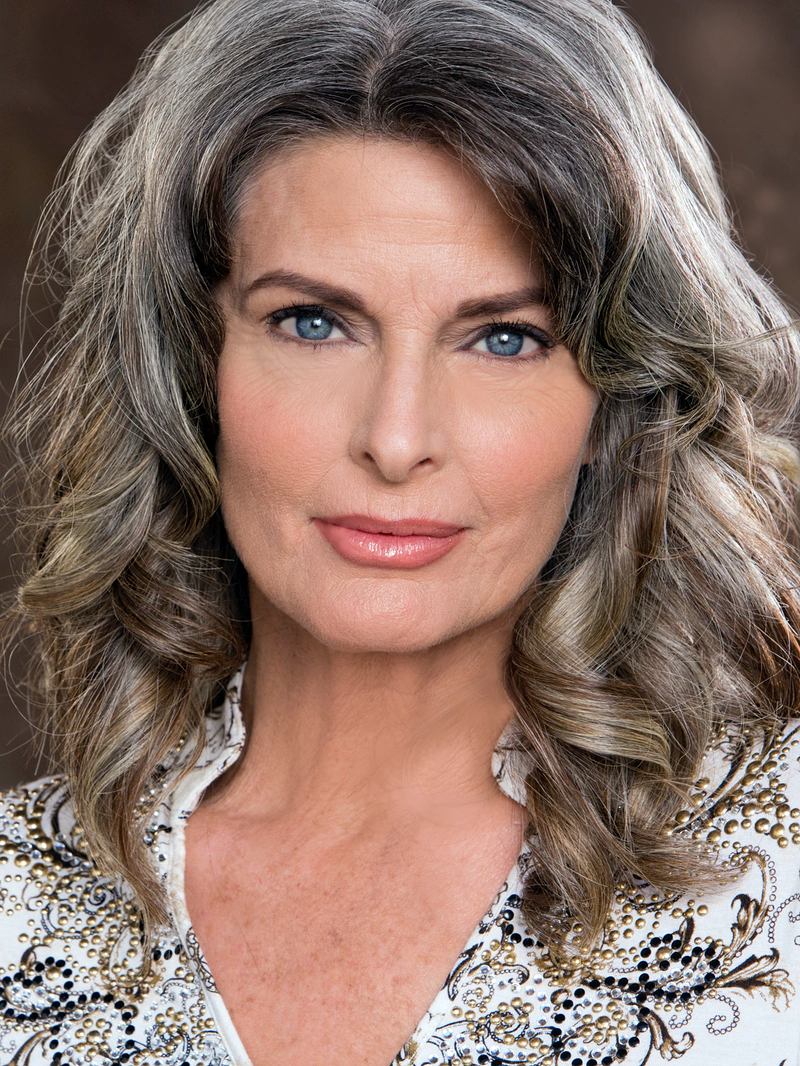
Attr: IMDB: Joan Severance
| 13 Quotes | |
| Occup. | Actress |
| From | USA |
| Born | December 23, 1958 |
| Age | 67 years |
| Cite | |
Citation Formats
APA Style (7th ed.)
Joan severance biography, facts and quotes. (2026, February 11). FixQuotes. https://fixquotes.com/actors/joan-severance/
Chicago Style
"Joan Severance biography, facts and quotes." FixQuotes. February 11, 2026. https://fixquotes.com/actors/joan-severance/.
MLA Style (9th ed.)
"Joan Severance biography, facts and quotes." FixQuotes, 11 Feb. 2026, https://fixquotes.com/actors/joan-severance/. Accessed 6 Mar. 2026.
Early Life and Background
Joan Severance was born on December 23, 1958, in the United States, and came of age during a media-saturated era when television, glossy magazines, and the expanding advertising industry helped define public ideas of beauty and aspiration. Her early life is best understood against the late-1960s and 1970s backdrop: postwar prosperity curdling into cynicism, second-wave feminism contesting the terms of female visibility, and a fast-growing entertainment economy that offered opportunity while tightening expectations around image.That tension - between being looked at and being heard - shaped her early trajectory. Severance moved toward work that rewarded poise and camera awareness, yet her later interviews suggest a persistent internal separation between persona and self, an insistence that performance could be a tool rather than a cage. Long before she became identifiable as an actress, she learned how quickly a face could be commodified - and how much discipline it took to retain control inside that transaction.
Education and Formative Influences
Like many performers of her generation, Severance formed her craft less through a single institutional pedigree than through the practical schooling of the industry itself: auditions, short-format shoots, and the repetition that teaches timing, stillness, and the ability to project intention in a few seconds. She began working in commercials as a teenager and later framed it with blunt pragmatism: “I did commercials since I was 16, and that's kind of acting, depending on what you're selling”. The line reveals her early realism about entertainment labor - acting as both art and product - and foreshadows a career built on navigating that duality without romantic illusions.Career, Major Works, and Turning Points
Severance transitioned from modeling to screen acting in the 1980s, a period when Hollywood and network television increasingly relied on high-concept genre fare, glossy action, and the made-for-TV ecosystem. She became widely recognized through film and television appearances that traded on glamour while testing its limits, and her most enduring pop-cultural imprint came from playing the villainous, insect-costumed character in the cult film Hell Comes to Frogtown (1988). That kind of role - stylized, physical, and semi-comic - placed her within a tradition of late-1980s B-movie maximalism, where actors often carried heightened worlds on sheer commitment. In subsequent years she worked steadily across television movies, episodic guest roles, and genre-adjacent projects, building a resume defined less by a single prestige marquee than by adaptability, visibility, and a canny understanding of what the market would finance.Philosophy, Style, and Themes
Severance often spoke as someone who understood the strange psychology of costume, camera, and power. The Frogtown role, for instance, became a window into how performance can externalize aggression and permit behaviors that daily life forbids: “You can take charge, kick ass, do whatever you have to do and it's okay. You can blow people up. These are things that are okay for cartoon characters to do”. Her phrasing is telling - she frames the character not as empowerment rhetoric but as a socially sanctioned mask, a "cartoon" logic that legitimizes violence and dominance as spectacle. It is a performer analyzing the rules of the game while playing it.At the same time, her comments underline the cost of that mask. “Wearing this kind of costume is not something I fantasize about. It's not natural, it's not comfortable. I don't see myself as this. But it gives you dramatic license to do almost anything when you're dressed as a bug”. The sentence splits into two selves: the private body that resists objectification and discomfort, and the performing body that discovers freedom inside artifice. Her refusal to glamorize sexualized violence also marks a moral line amid an era that frequently exploited it for shock value: “There are three rape scenes that I've had to act in, and none of them have gotten to film. I don't think it's something that should be promoted in any way”. Read together, these statements outline a consistent inner ethic - she accepts performance as illusion and commerce, but insists on boundaries about what should be aestheticized, and she treats power on screen as a constructed permission slip, not a personal identity.
Legacy and Influence
Joan Severance endures less as a single-title star than as a vivid emblem of late-20th-century screen culture: the model-turned-actress navigating the male gaze, the genre performer bringing intelligence to heightened material, and the working actor speaking candidly about incentives and limits. Her cult visibility - especially through the insect-queen iconography of Frogtown - persists in fan memory because it captures something specific about the period: practical effects, comic-book energy, and a performer willing to make the strange believable while still articulating, in her own voice, where the line between fantasy and harm should be drawn.Our collection contains 13 quotes written by Joan, under the main topics: Sarcastic - Equality - Movie - Goal Setting - Human Rights.