
Jodie Foster Biography Quotes 34 Report mistakes
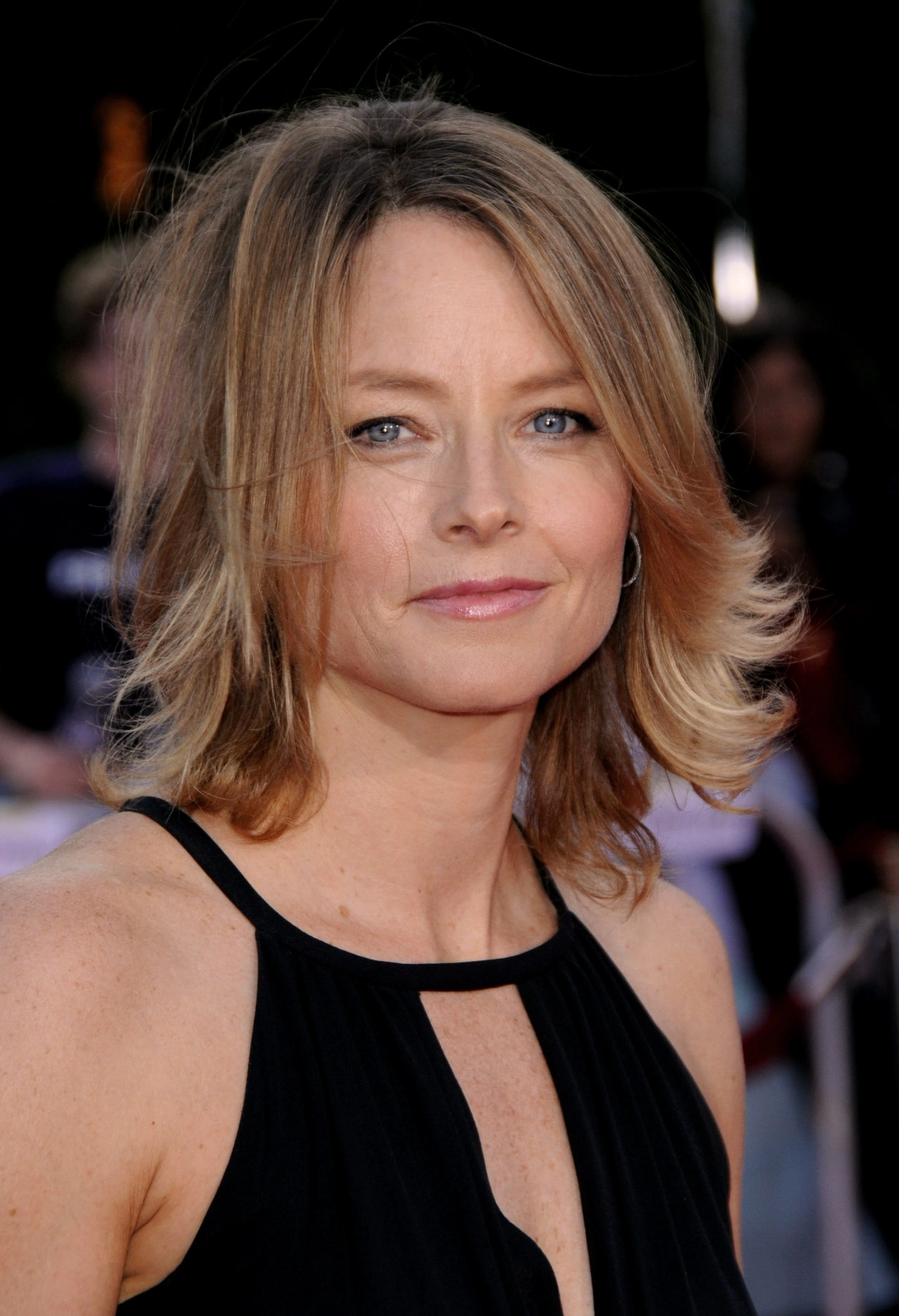
| 34 Quotes | |
| Occup. | Actress |
| From | USA |
| Born | November 19, 1962 |
| Age | 63 years |
| Cite | |
Citation Formats
APA Style (7th ed.)
Jodie foster biography, facts and quotes. (2026, February 11). FixQuotes. https://fixquotes.com/actors/jodie-foster/
Chicago Style
"Jodie Foster biography, facts and quotes." FixQuotes. February 11, 2026. https://fixquotes.com/actors/jodie-foster/.
MLA Style (9th ed.)
"Jodie Foster biography, facts and quotes." FixQuotes, 11 Feb. 2026, https://fixquotes.com/actors/jodie-foster/. Accessed 22 Mar. 2026.
Early Life and Background
Alicia Christian Foster was born November 19, 1962, in Los Angeles, California, the youngest of four children in a family shaped by both ambition and fracture. Her mother, Evelyn "Brandy" Foster, worked as a publicist and became her manager; her father, Lucius Fisher Foster III, came from a prominent background and was largely absent after the parents separated. Foster grew up amid the machinery of Southern California entertainment, where childhood could be monetized and privacy was negotiable.She began working before she could consent in any adult sense: commercials, sitcoms, and steady auditions made her a professional while she was still learning to be a person. That early exposure gave her polish and control, but it also trained an alertness to power - who is watching, who is directing, who is selling a story. Her later insistence on boundaries, precision, and personal discretion reads as a survival skill learned in the first years of her life.
Education and Formative Influences
Foster attended the Lycee Francais de Los Angeles, becoming fluent in French and absorbing European cultural reference points that would later inform her taste as both actor and director. The school environment - rigorous, cosmopolitan, and less dazzled by Hollywood - offered a counterweight to child stardom, reinforcing discipline and a private intellectual identity. She later entered Yale University, graduating in 1985 with a degree in literature, and the decision to pursue a demanding education during an active screen career signaled her lifelong preference for preparation over mythology.Career, Major Works, and Turning Points
Foster's early roles moved quickly from cute to confrontational, most famously as Iris in Martin Scorsese's Taxi Driver (1976), which earned her an Academy Award nomination at 14 and marked her as a performer willing to inhabit adult moral darkness. After Yale she rebuilt her screen identity with controlled choices, culminating in her first Oscar win for The Accused (1988), where her performance turned public debate about sexual violence and credibility into visceral drama. She won again for The Silence of the Lambs (1991) as Clarice Starling, forging an image of intelligence under pressure, then sustained stardom with films like Contact (1997) and Panic Room (2002). As a director she pursued character-driven stories - Little Man Tate (1991), Home for the Holidays (1995), The Beaver (2011), Money Monster (2016) - and became a sought-after episodic director in prestige television, including Orange Is the New Black, House of Cards, and Black Mirror, expanding her authority in an industry that often confines actresses to youth and compliance.Philosophy, Style, and Themes
Foster's inner life, as it appears through her work, is built around competence as a kind of moral stance. Her most memorable characters are not defined by charm but by concentration: women who read the room, track the threat, and refuse to be talked out of what they know. That focus has roots in a childhood where being "good" meant being ready - hit your mark, say the line, keep the adult world calm. It also explains her attraction to narratives where thinking is dramatic action, from Contact's faith-versus-evidence struggle to Clarice Starling's forensic empathy.Her comments often sound like a self-portrait of someone wary of easy stories, including the stories people tell about women. “Normal is not something to aspire to, it's something to get away from”. That is not rebellion for its own sake; it is a defense of complexity against roles that flatten women into types. She has also been blunt about the gendered archive of cinema: “I guess I've played a lot of victims, but that's what a lot of the history of women is about”. In Foster's hands, victimhood is rarely passive; it becomes the starting point for analysis, anger, and transformation. And she frames craft as an ethical problem, not mere self-expression: “I think an artist's responsibility is more complex than people realize”. Across acting and directing, her style favors clarity, psychological realism, and suspense that arises from character choices rather than ornament.
Legacy and Influence
Foster's influence rests on a rare dual authority: she is both a movie star and a builder of films, a performer whose intelligence reads on screen and a director trusted with tone, actors, and story mechanics. She helped normalize the idea that an actress could age into power rather than disappear, and that privacy could coexist with fame on one's own terms. Her portrayals of women navigating institutional spaces - police, labs, courtrooms, family systems - widened the mainstream appetite for heroines defined by intellect and nerve. In an era that often prizes volume over rigor, Foster remains a model of selective, high-commitment artistry and a steady proof that seriousness can be commercially magnetic.Our collection contains 34 quotes written by Jodie, under the main topics: Motivational - Ethics & Morality - Funny - Art - Friendship.
Other people related to Jodie: Kristen Stewart (Actress), Kelly McGillis (Actress), Jonathan Demme (Director), Tom Skerritt (Actor), Dylan McDermott (Actor), Clive Owen (Actor), Terrence Howard (Actor), James Garner (Activist), Emile Hirsch (Actor), Cybill Shepherd (Actress)
Source / external links