
Judy Garland Biography Quotes 21 Report mistakes
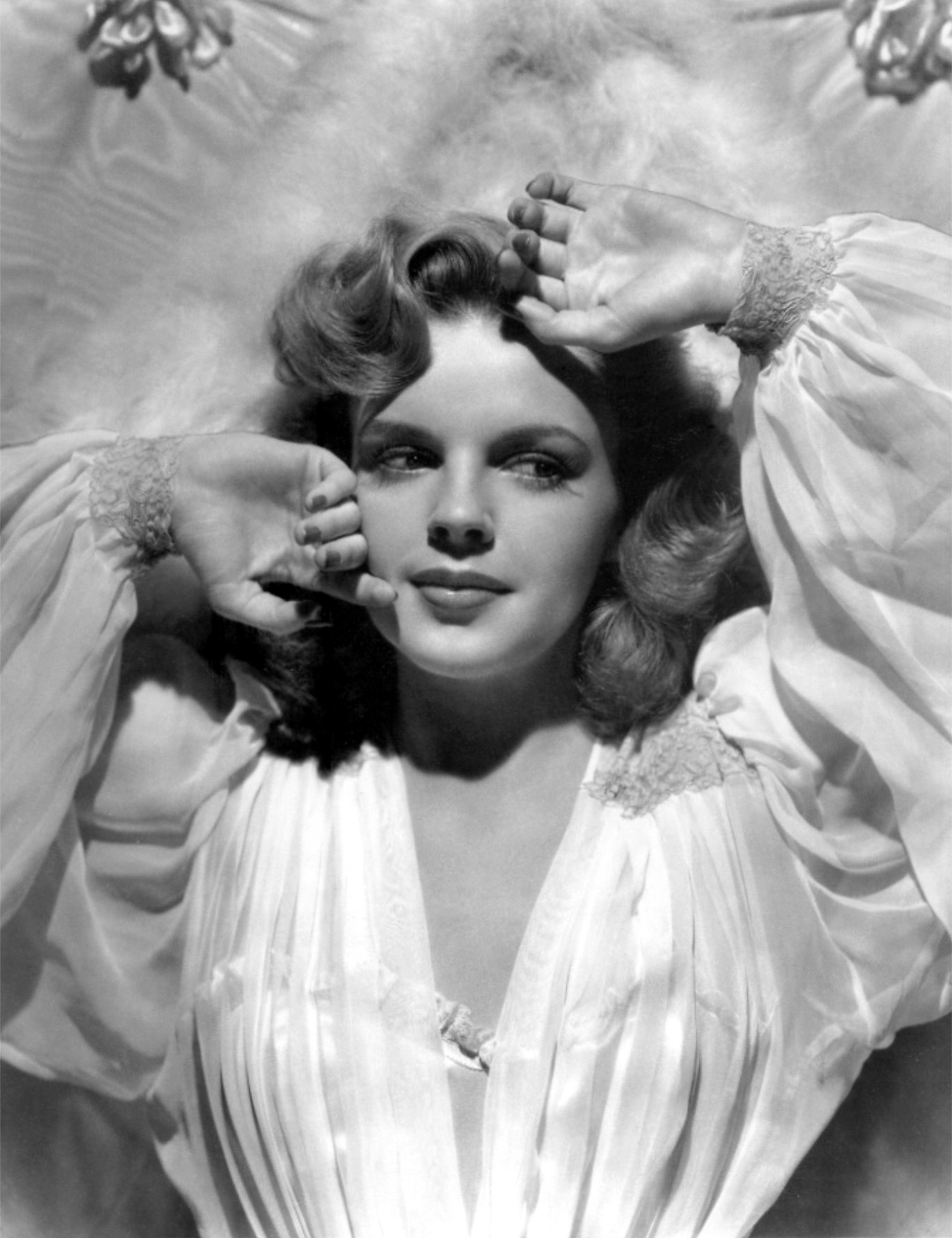
| 21 Quotes | |
| Occup. | Actress |
| From | USA |
| Born | June 10, 1922 |
| Died | June 22, 1969 |
| Aged | 47 years |
| Cite | |
Citation Formats
APA Style (7th ed.)
Judy garland biography, facts and quotes. (2026, February 11). FixQuotes. https://fixquotes.com/actors/judy-garland/
Chicago Style
"Judy Garland biography, facts and quotes." FixQuotes. February 11, 2026. https://fixquotes.com/actors/judy-garland/.
MLA Style (9th ed.)
"Judy Garland biography, facts and quotes." FixQuotes, 11 Feb. 2026, https://fixquotes.com/actors/judy-garland/. Accessed 27 Mar. 2026.
Early Life and Background
Judy Garland was born Frances Ethel Gumm on June 10, 1922, in Grand Rapids, Minnesota, the third daughter of Ethel Marion Milne and Francis Avent Gumm. Her parents ran a movie house, and the family soon moved to Lancaster, California, chasing opportunity in the gravity field of Hollywood. The stage name "Garland" arrived early, but the sense of being a commodity arrived earlier still: even as a child she was booked, coached, and scrutinized in ways that fused love with performance.By the time she was a teenager, the United States was climbing out of Depression austerity and into a mass-entertainment boom that treated movies and radio as national consolations. Garland grew up inside that machinery. She performed with her sisters as "The Gumm Sisters", sang on radio, and learned how quickly applause could shift from affection to appraisal. The shy, funny girl who could stop a room with a ballad also internalized a lifelong vigilance about how she looked, what she weighed, and how useful she was to the adults who managed her.
Education and Formative Influences
Garland had little conventional schooling; her education was vaudeville discipline, studio tutoring, and the musical vocabulary of Tin Pan Alley and the American songbook. After signing with MGM in the mid-1930s, she was shaped by producers, vocal coaches, and the studio system itself, which trained performers like athletes while policing their bodies and private lives. The most formative influence was the MGM musical as a national mythmaker - optimism manufactured under lights - and Garland absorbed its promise while also learning its price.Career, Major Works, and Turning Points
MGM made her a star through a run of teen musicals with Mickey Rooney, then cemented her as an emblem of longing in The Wizard of Oz (1939), where "Over the Rainbow" turned homesickness into an American aria. In the 1940s she carried major pictures such as Meet Me in St. Louis (1944) and The Harvey Girls (1946), winning a special Academy Award as a juvenile performer and becoming one of the studio's most bankable names even as exhaustion, prescription dependence, and anxiety deepened. A turning point came with her dismissal from MGM in 1950 after years of punishing schedules and health crises; she rebuilt her career onstage, notably in concerts and with a defining film comeback in A Star Is Born (1954), followed by acclaimed live work including her celebrated 1961 Carnegie Hall concert. Her later years included The Judy Garland Show (1963-64), uneven film opportunities, heavy touring, and fragile attempts at stability, ending with her death in London on June 22, 1969.Philosophy, Style, and Themes
Garland's artistry lived at the junction of precision and exposure: a disciplined musician who could also sound like she was inventing the song in real time. She sang as if language were physical - consonants bitten clean, vowels opened like doors - and she acted with a comedian's timing that made the sorrow hit harder when it arrived. The key theme is yearning, but not abstract yearning: her performances dramatize the desire to be safe, loved, and allowed to exist without performing for permission. That is why the rainbow became both gift and burden, and why she could joke about her own mythology while sounding wounded by it.Her inner philosophy, when she stated it, often carried the sting of experience. “Always be a first-rate version of yourself, instead of a second-rate version of somebody else”. Coming from an actress molded by executives and columnists, the line reads as self-defense - a late insistence on identity after years of being edited. Yet she also exposed the emotional cost of iconhood: “If I'm such a legend, then why am I so lonely?” That loneliness was not merely personal; it was structural, a consequence of a system that kept her perpetually on call, rewarded the image, and neglected the human. Even her famous ambivalence about Oz was a psychological map, not a quip: “I've always taken 'The Wizard of Oz' very seriously, you know. I believe in the idea of the rainbow. And I've spent my entire life trying to get over it”. The rainbow is aspiration, but "getting over it" is adulthood - the painful reconciliation between fantasy and the daily need for care.
Legacy and Influence
Garland endures as one of the 20th century's defining entertainers because she fused technical excellence with unmistakable truthfulness, shaping how film musicals, cabaret, and the modern concert persona could carry autobiography without confession. Her recordings remain templates for singers who want vulnerability without loss of craft, and her screen work continues to teach actors how to let a close-up hear a thought. She also stands as a cautionary biography of the studio era's coercions - a child star turned national symbol, celebrated for making joy while privately fighting for ordinary steadiness. In LGBTQ+ cultural memory, her voice and narrative of survival became a powerful, complicated emblem; in American popular art, her legacy is the proof that a song can be both a performance and a plea.Our collection contains 21 quotes written by Judy, under the main topics: Witty One-Liners - Love - Sarcastic - Resilience - Movie.
Other people related to Judy: Liza Minnelli (Actress), Gene Kelly (Actor), Renee Zellweger (Actress), Cyndi Lauper (Musician), Liza Minelli (Entertainer), George Sidney (Director), Lorna Luft (Actress), Judy Davis (Actress), Roddy McDowall (Actor), Mary Astor (Actress)
Source / external links