
Katharine Hepburn Biography Quotes 33 Report mistakes
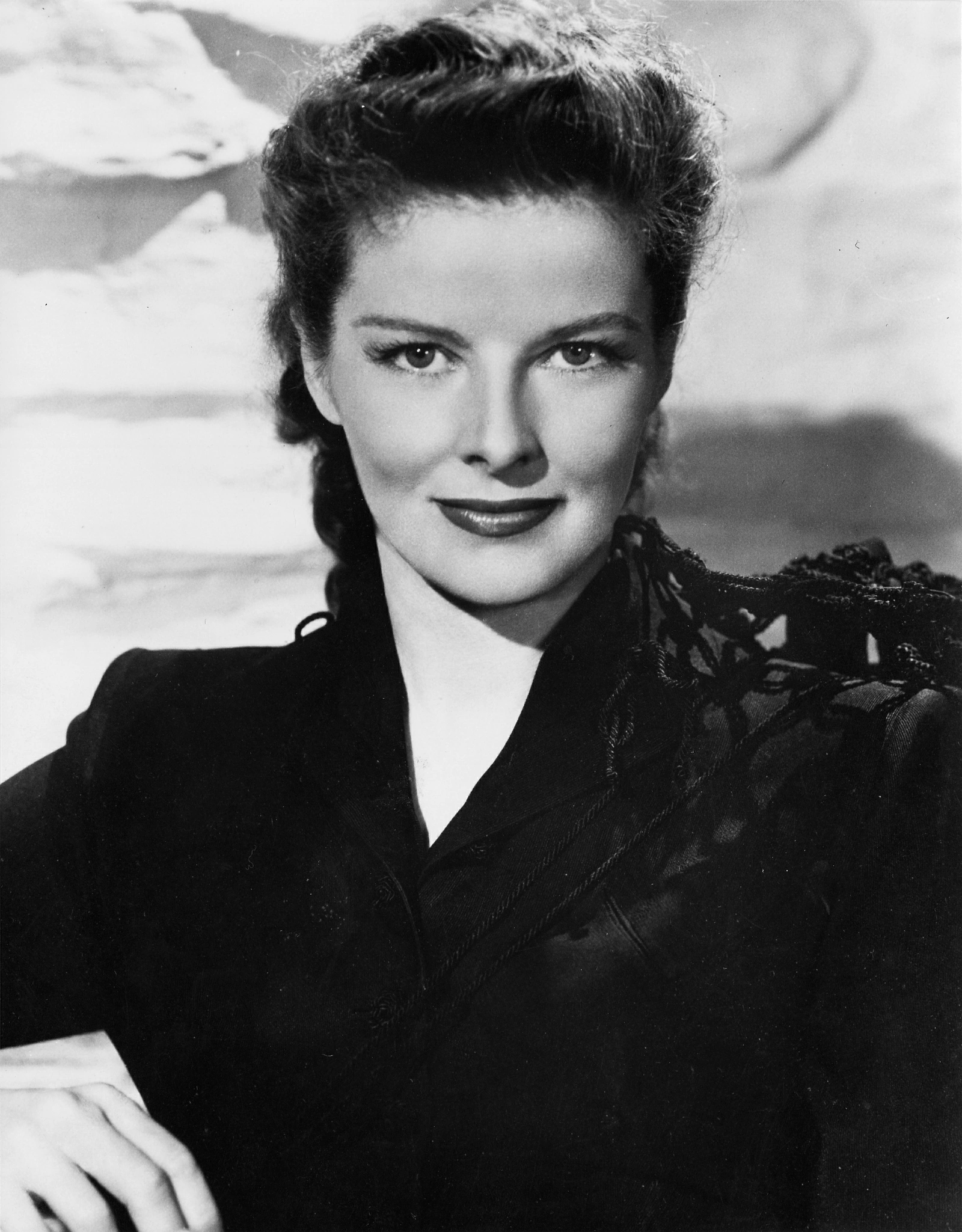
| 33 Quotes | |
| Born as | Katharine Houghton Hepburn |
| Occup. | Actress |
| From | USA |
| Born | May 12, 1907 Hartford, Connecticut, United States |
| Died | June 29, 2003 Fenwick, Old Saybrook, Connecticut, United States |
| Aged | 96 years |
| Cite | |
Citation Formats
APA Style (7th ed.)
Katharine hepburn biography, facts and quotes. (2026, February 11). FixQuotes. https://fixquotes.com/actors/katharine-hepburn/
Chicago Style
"Katharine Hepburn biography, facts and quotes." FixQuotes. February 11, 2026. https://fixquotes.com/actors/katharine-hepburn/.
MLA Style (9th ed.)
"Katharine Hepburn biography, facts and quotes." FixQuotes, 11 Feb. 2026, https://fixquotes.com/actors/katharine-hepburn/. Accessed 25 Mar. 2026.
Early Life and Background
Katharine Houghton Hepburn was born May 12, 1907, in Hartford, Connecticut, into a patrician, reform-minded household that treated public duty as a family trade. Her father, Dr. Thomas Norval Hepburn, was a urologist and an outspoken advocate of venereal-disease education; her mother, Katharine Martha Houghton Hepburn, was a leader in the suffrage movement and later in birth-control activism. That combination - scientific frankness and moral audacity - shaped Hepburn early, giving her an instinctive intolerance for hypocrisy and a comfort with controversy that would later read on screen as fearless poise.A defining trauma arrived when her older brother Tom died in 1921, an event long reported as an accident but surrounded by family silence and social taboo. Hepburn carried the shock inward, cultivating a hard shell of competence and speed: sports, competition, and a clipped humor that kept sentimentality at bay. The mixture of private grief and public self-command became a lifelong engine for her work, helping explain why her most moving performances often feel like emotions held under pressure rather than openly displayed.
Education and Formative Influences
After attending the progressive Kingswood School in West Hartford, Hepburn entered Bryn Mawr College in Pennsylvania, graduating in 1928. There she discovered theater as both discipline and disguise, building technique in campus productions while absorbing a modern womanhood that was intellectual, athletic, and unafraid of difference. Her early marriage to Philadelphia socialite Ludlow "Luddy" Ogden Smith (1928) and its quiet unraveling also clarified what she would not do: submerge a life in conventional expectations.Career, Major Works, and Turning Points
Hepburn trained on the stage and broke in on Broadway before Hollywood rapidly elevated her: an Academy Award came immediately for Morning Glory (1933). Yet her refusal to be managed - from trousers and plain speech to impatience with studio varnish - made her both famous and precarious; by the late 1930s she was labeled "box office poison". The comeback was engineered on her own terms when she bought and controlled the film rights to Philip Barry's The Philadelphia Story, returned to Broadway, then brought it to the screen in 1940 with Cary Grant and James Stewart, resetting her image as simultaneously aristocratic and ferociously human. Over the next decades she expanded that persona into varied registers: the screwball brinkmanship of Bringing Up Baby (1938), the political romance of Woman of the Year (1942), the prickly tenderness of The African Queen (1951), the private-war intimacy of Desk Set (1957), the emotional excavation of Long Day's Journey into Night (1962), the modern marriage debate of Guess Who's Coming to Dinner (1967), and the late-life steel of The Lion in Winter (1968) and On Golden Pond (1981). Her long, largely private partnership with Spencer Tracy - often complicated by his marriage, alcoholism, and illness - provided an off-screen counterpart to the on-screen theme she mastered: love between equals, paid for in compromise.Philosophy, Style, and Themes
Hepburn's art was built on control that never looked like control. She moved with an athlete's economy, spoke with New England snap, and let intelligence lead desire rather than trail it. Her characters frequently seem to be thinking faster than the room, then choosing whether to soften or to strike - a strategy that mirrored her own posture toward fame: “Never complain. Never explain”. What could look like hauteur was often a defense of inner privacy, a way to keep grief, doubt, and longing from being commodified.At the same time, she insisted that vitality required friction and rules were optional when they dulled the spirit: “Enemies are so stimulating”. The combative line is not just a quip; it exposes a psychology that used opposition as oxygen, turning criticism into momentum. Beneath the briskness was an ethic of rigor - rehearsal, precision, stamina - the unseen scaffolding behind her seeming spontaneity: “Without discipline, there's no life at all”. Across comedies and dramas alike, she made independence emotionally legible, showing how freedom can be both exhilaration and loneliness, and how romance becomes credible only when it does not require self-erasure.
Legacy and Influence
Hepburn died June 29, 2003, at her family home in Fenwick, Connecticut, leaving one of American cinema's most durable bodies of work and the record for most acting Oscars (four). More than awards, her influence lies in the model she normalized: a female star whose authority came from intellect, timing, and refusal to play small. Later performers from Jane Fonda to Meryl Streep inherited an industry more willing to prize sharpness over sweetness, and audiences inherited a template for screen womanhood that could be romantic without submission, funny without coyness, and commanding without apology.Our collection contains 33 quotes written by Katharine, under the main topics: Witty One-Liners - Art - Dark Humor - Love - Sarcastic.
Other people related to Katharine: Howard Hawks (Director), Cate Blanchett (Actress), Ralph Richardson (Actor), Gig Young (Actor), Kate Mulgrew (Actress), Ann Miller (Dancer), Peter O'Toole (Actor), Mark Rydell (Director), Hope Emerson (Actress), Genevieve Bujold (Actress)
Source / external links