
Lana Turner Biography Quotes 9 Report mistakes
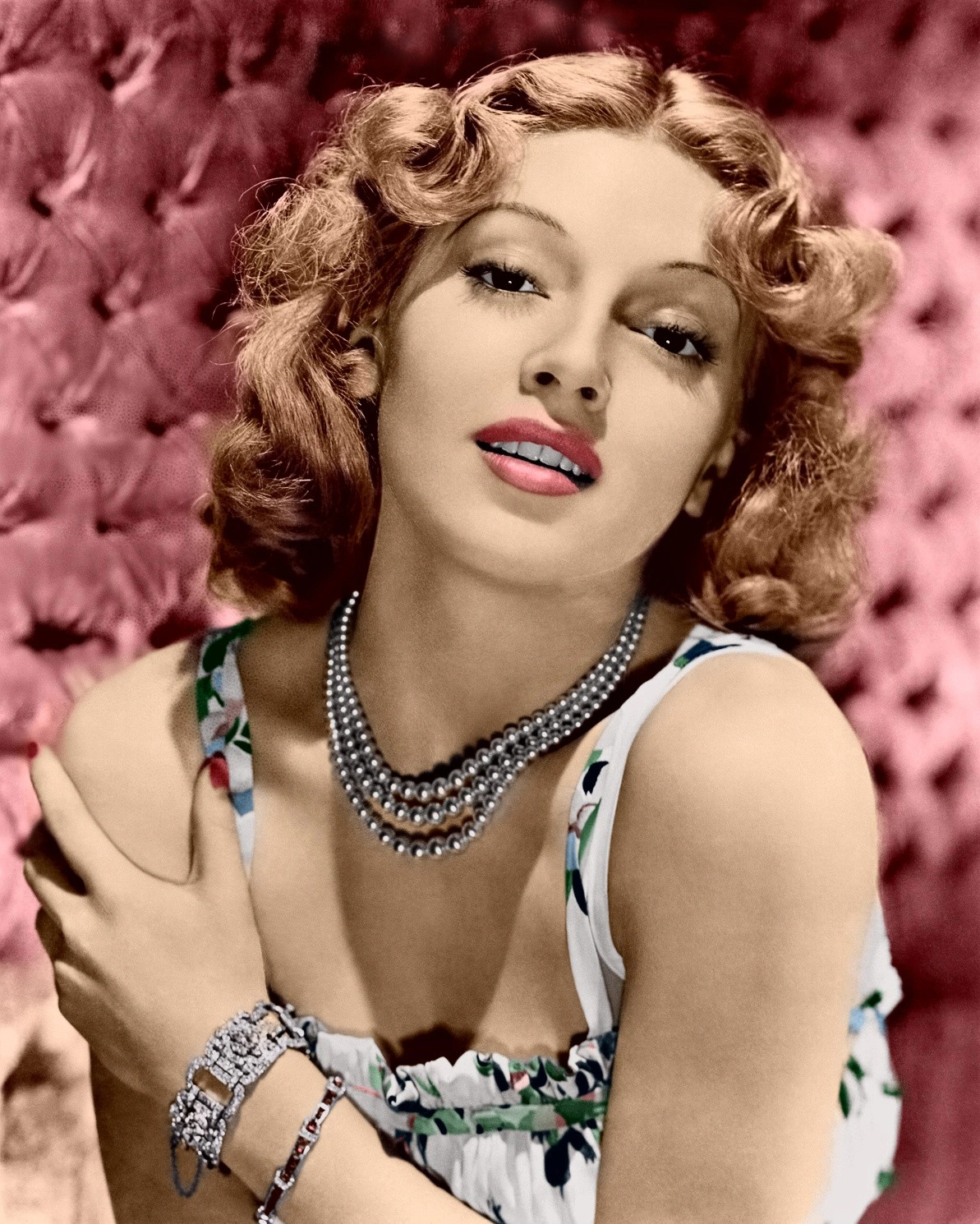
| 9 Quotes | |
| Occup. | Actress |
| From | USA |
| Born | February 8, 1920 |
| Died | June 29, 1995 |
| Aged | 75 years |
| Cite | |
Citation Formats
APA Style (7th ed.)
Lana turner biography, facts and quotes. (2026, February 11). FixQuotes. https://fixquotes.com/actors/lana-turner/
Chicago Style
"Lana Turner biography, facts and quotes." FixQuotes. February 11, 2026. https://fixquotes.com/actors/lana-turner/.
MLA Style (9th ed.)
"Lana Turner biography, facts and quotes." FixQuotes, 11 Feb. 2026, https://fixquotes.com/actors/lana-turner/. Accessed 26 Mar. 2026.
Early Life and Background
Lana Turner was born Julia Jean Turner on February 8, 1920, in Wallace, Idaho, the only child of John Virgil Turner and Mildred Frances Cowan. Her early life was marked by working-class precarity and constant motion through the American West. When the family relocated to San Francisco, her father was murdered during a robbery in 1930, a trauma that hardened her sense that security could vanish overnight and that appearances could be armor.Mother and daughter drifted between relatives, rented rooms, and hopes of stability as the Depression deepened. In the mid-1930s, Mildred took Julia to Los Angeles, where the movie industry offered both wages and a mythology of rescue. Turner would later embody that mythology while privately carrying the anxieties of a child who had learned that love, money, and safety could be abruptly taken.
Education and Formative Influences
Turner attended local schools in San Francisco and later Hollywood High School, but her true education came from survival and observation: a keen reading of adult motives, a quick study of how beauty and poise could translate into opportunity, and a young woman's awareness of how easily women were judged and traded in a male-driven culture. Discovered as a teenager at a Hollywood soda fountain in 1936, she entered MGM almost immediately, learning studio discipline, the camera's demands, and the cost of being turned into a public "type" before she had finished becoming herself.Career, Major Works, and Turning Points
Signed by MGM, Turner broke out in They Won't Forget (1937) and was marketed as the era's quintessential "sweater girl", then matured into one of the studio's most bankable stars through the 1940s and 1950s with films including Dr. Jekyll and Mr. Hyde (1941), Johnny Eager (1941), Ziegfeld Girl (1941), The Postman Always Rings Twice (1946), Cass Timberlane (1947), and the lavish drama Peyton Place (1957), which earned her an Academy Award nomination. Her image - platinum glamour, controlled sensuality, and crisp professionalism - helped MGM sell a fantasy of American desirability during wartime and postwar prosperity. Yet the most destabilizing turning point came off-screen in 1958: the scandal around her relationship with gangster Johnny Stompanato and his death at the hands of Turner's teenage daughter Cheryl Crane. Turner returned to work under intense scrutiny, notably in Imitation of Life (1959), and later navigated a changing industry with roles on television and in film, including a late-career resurgence with The Bad and the Beautiful on stage-like talk shows and, more concretely, in Body Heat-era noir echoes such as her appearance in The Man with Bogart's Face (1980). She died in Los Angeles on June 29, 1995.Philosophy, Style, and Themes
Turner's inner life often seemed like a tug-of-war between control and crisis. She could project immaculate composure while describing a private world of sudden shocks: “My life has been a series of emergencies”. That sentence fits not only tabloid drama but also the emotional tempo of her best performances - women improvising dignity in the middle of upheaval, whether as Cora Smith in The Postman Always Rings Twice or as the anxious, striving mother in Imitation of Life. Her acting style, sometimes underestimated as "glamour", was built on tension: she let the audience see the cost of desire, the effort of self-management, and the fear beneath surface brilliance.She also understood Hollywood as an ecosystem of power where charm could be a weapon and forgiveness a career strategy: “It's said in Hollywood that you should always forgive your enemies - because you never know when you'll have to work with them”. The remark reveals a survivor's ethics - pragmatic, socially intelligent, and slightly bruised - and it helps explain her longevity inside the studio system and beyond it. At the same time, her candor about her own blind spots - “I'm so gullible. I'm so damn gullible. And I am so sick of me being gullible”. - hints at the private contradiction of a woman who could master the camera but struggle with intimacy, repeatedly seeking protection in men and discovering the limits of romance as refuge.
Legacy and Influence
Turner endures as more than a symbol of MGM sheen: she is a case study in how American stardom could both elevate and consume a working-class girl in the 20th century. Her films helped define the look of mid-century glamour, but her life - especially the Stompanato tragedy and her public return to work - reshaped conversations about celebrity, privacy, and the punitive appetite of scandal. Later actresses borrowed her template of controlled sensuality and vulnerability under polish, while audiences continue to read her as a figure who turned beauty into labor, image into leverage, and survival into a kind of unspoken artistry.Our collection contains 9 quotes written by Lana, under the main topics: Witty One-Liners - Motivational - Funny - Forgiveness - Self-Improvement.
Other people related to Lana: Douglas Sirk (Director), Elizabeth Goudge (Writer), Vincente Minnelli (Director)
Source / external links