
Leif Juster Biography Quotes 5 Report mistakes
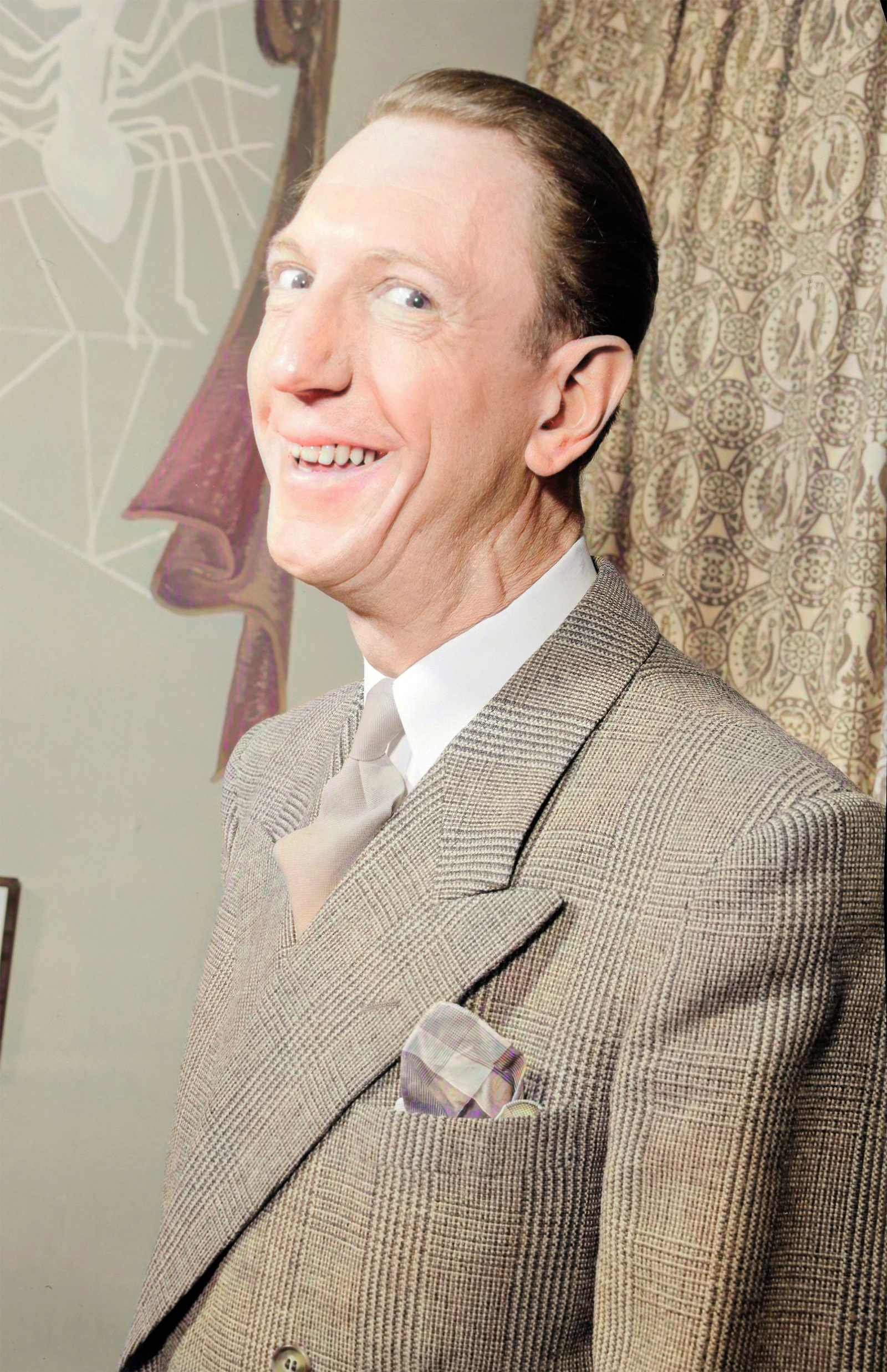
| 5 Quotes | |
| Born as | Leif Østby Juster |
| Occup. | Actor |
| From | Norway |
| Born | February 14, 1910 Kristiania, Norway |
| Died | November 26, 1995 Oslo, Norway |
| Cause | Heart failure |
| Aged | 85 years |
| Cite | |
Citation Formats
APA Style (7th ed.)
Leif juster biography, facts and quotes. (2026, February 11). FixQuotes. https://fixquotes.com/actors/leif-juster/
Chicago Style
"Leif Juster biography, facts and quotes." FixQuotes. February 11, 2026. https://fixquotes.com/actors/leif-juster/.
MLA Style (9th ed.)
"Leif Juster biography, facts and quotes." FixQuotes, 11 Feb. 2026, https://fixquotes.com/actors/leif-juster/. Accessed 27 Mar. 2026.
Early Life and Background
Leif Ostby Juster was born on February 14, 1910, in Oslo, at a moment when Norway was still a young independent state, only five years removed from the dissolution of the union with Sweden. His childhood unfolded in an urban capital that was modernizing quickly but remained culturally intimate - a place where revue stages, brass bands, and neighborhood theaters formed a parallel education for anyone alert to rhythms of speech and character. The citys mix of bourgeois manners and working-life directness would later become one of his great comic resources.Juster grew up with an ear for how people performed themselves in daily life - the small vanities, the sudden tenderness, the way status could be announced by a single phrase. That observational habit, more than any single biographical drama, became his inner engine: he learned early to convert social friction into humor, and to treat embarrassment not as defeat but as material. In an era when Norwegian culture often prized restraint, his gift was to reveal the human behind the posture without seeming cruel.
Education and Formative Influences
He gravitated toward the stage while still young and trained as an actor within the practical, troupe-based traditions of Norwegian theater rather than through abstract theory alone. The formative influences were the revue and comic acting lineages that prized timing, diction, and physical precision - skills honed in front of demanding audiences who rewarded clarity and punished indulgence. In the interwar years, Norwegian popular entertainment was both escapist and diagnostic, and Juster absorbed its lesson that comedy works best when it carries recognizable life inside it.Career, Major Works, and Turning Points
Juster became one of Norways defining comic actors across stage, revue, and film, with a screen persona that could move from puffed-up authority to vulnerable self-exposure in the span of a glance. He was prominently associated with Oslo's popular entertainment circuit and later became inseparable from the postwar boom in Norwegian film comedy, reaching wide audiences at a time when the country was rebuilding its civic confidence after the German occupation (1940-1945). His major impact lay less in a single auteur project than in a cumulative body of performances - sharply etched types, verbal and physical elegance, and an ability to make ordinary Norwegian social situations feel theatrically inevitable. Over decades he remained a bankable presence, proving adaptable as tastes shifted from revue sophistication to broader cinematic farce, and he carried into later life the rare status of a national comic reference point.Philosophy, Style, and Themes
Justers comedy was rooted in humility disguised as bravado. He understood that laughter is not only entertainment but a survival method, especially in a northern society where public self-control can turn feelings into private burdens. His characters often begin by trying to manage the room - to appear clever, dignified, unbothered - and then gradually reveal the soft interior he refused to sentimentalize. That psychological arc matches his own stated ethic: “You have to be able to laugh at yourself too, otherwise it becomes heavy to go through life”. In performance, the line reads as strategy as much as slogan - self-mockery as permission to stay human.He also treated listening as a comic instrument: pauses were not empty, but full of calculation, surprise, or shame. “The one who is good at listening, learns a lot”. That attentiveness shaped his timing, making him unusually reactive, as if each scene were being discovered in real time. Under the surface, his work suggests a moral psychology: people are rarely villains, mostly confused, lonely, or trapped by pride. The best medicine is not superiority but release - the kind that resets the spirit. “A good laugh prolongs life”. For Juster, laughter was a form of care, a way to let audiences recognize themselves without being condemned.
Legacy and Influence
Leif Juster died on November 26, 1995, after a life that spanned silent-film childhood, wartime rupture, and the media-saturated late century - and he remained recognizable through it all as an emblem of Norwegian comic intelligence. Later actors and comedians inherited not only his technical craft - the economy of gesture, the musicality of speech - but his deeper lesson that popular comedy can be psychologically exact. His enduring influence lies in how he normalized vulnerability inside humor, making it possible for Norwegian screen and stage comedy to be both broadly accessible and quietly truthful.Our collection contains 5 quotes written by Leif, under the main topics: Witty One-Liners - Motivational - Wisdom - Learning - Happiness.
Source / external links