
Liam Neeson Biography Quotes 31 Report mistakes
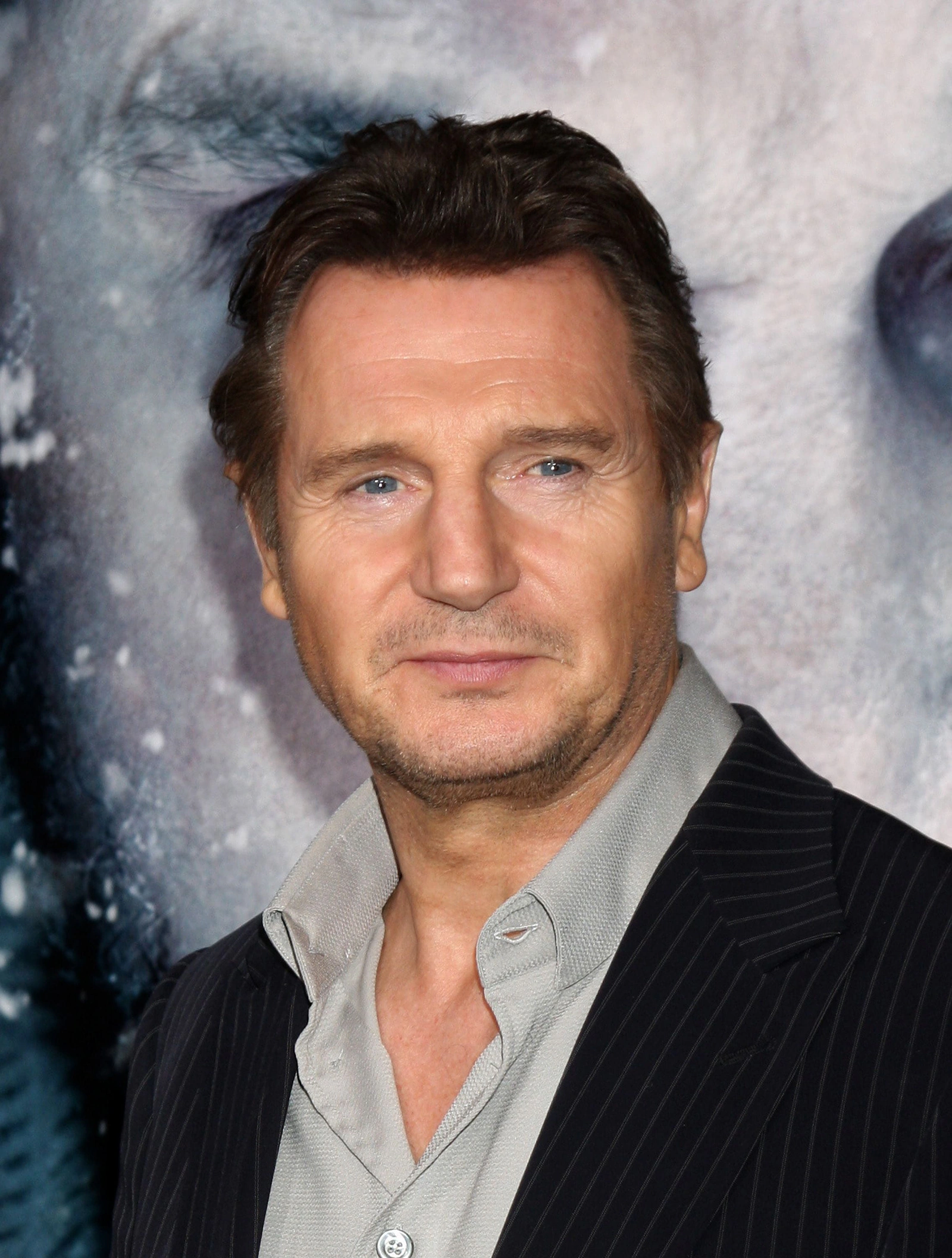
| 31 Quotes | |
| Born as | Liam John Neeson |
| Occup. | Actor |
| From | Ireland |
| Spouse | Natasha Richardson (1994–2009) |
| Born | June 7, 1952 Ballymena, Northern Ireland, United Kingdom |
| Age | 73 years |
| Cite | |
Citation Formats
APA Style (7th ed.)
Liam neeson biography, facts and quotes. (2026, March 1). FixQuotes. https://fixquotes.com/actors/liam-neeson/
Chicago Style
"Liam Neeson biography, facts and quotes." FixQuotes. March 1, 2026. https://fixquotes.com/actors/liam-neeson/.
MLA Style (9th ed.)
"Liam Neeson biography, facts and quotes." FixQuotes, 1 Mar. 2026, https://fixquotes.com/actors/liam-neeson/. Accessed 27 Mar. 2026.
Early Life and Background
Liam John Neeson was born on 1952-06-07 in Ballymena, County Antrim, Northern Ireland, into a community shaped by class, church, and the simmering politics that would erupt into the Troubles. His father, Bernard Neeson, worked as a caretaker at a local primary school, and his mother, Katherine "Kitty" Neeson, was a cook. Growing up Catholic in a largely Protestant region trained him early in the arts of watchfulness and self-command - qualities that later read onscreen as restraint, gravity, and a readiness to endure.He was tall, athletic, and restless, trying on identities before he ever tried on roles. Boxing gave him discipline and a place to put nervous energy, but the deeper formative pressure came from the social authority of faith and respectability. Years later he would describe that environment with plain force: “But let's just say, I'm Irish. I grew up in the 1950s. Religion had a very tight iron fist”. That iron-fist world helps explain the mixture in his work of tenderness and severity - a moral seriousness that can look like menace until it suddenly breaks into care.
Education and Formative Influences
Neeson attended St Patrick's College in Ballymena and later studied at Queen's University Belfast, where he also trained as a teacher. Belfast in the early 1970s was intellectually alive but politically dangerous; the city was a pressure cooker of sectarian violence, and the performing arts carried a particular charge as both refuge and witness. He moved toward acting through local theatre and the Lyric Players' Theatre, absorbing a practical, repertory sensibility: learn the text, hit the mark, serve the story. That early stage discipline would remain his anchor even when film later rewarded him for seeming like a force of nature.Career, Major Works, and Turning Points
After joining Belfast's Lyric Theatre, Neeson moved to Dublin and performed at the Abbey Theatre before shifting to London, where his size and stillness became assets rather than oddities. Early screen work included Excalibur (1981), but his international breakthrough came with roles that framed him as both romantic and formidable: Darkman (1990) and Michael Collins (1996), where his Collins balanced charm with the burden of political violence. The decisive turning point was Schindler's List (1993), in which his Oskar Schindler evolves from opportunistic businessman to morally awakened rescuer - a performance built on incremental self-revelation rather than speechifying. In the 2000s he oscillated between prestige projects and genre craft, then reinvented his stardom with Taken (2008), crystallizing the late-career "reluctant avenger" persona that carried through a long run of action-thrillers while he kept returning to theatre and character roles.Philosophy, Style, and Themes
Neeson's acting is less about decorative psychology than about pressure - what happens to a person when duty, grief, or history tightens around them. He has openly resisted the fetish of backstory: “I'm not the kind of actor that would know what my character had for breakfast last Tuesday”. That is not anti-intellectualism; it is a credo of embodiment. He plays from the outside in: posture, breath, tempo, and a voice that can sound like comfort or sentence depending on a single inflection. The result is a screen presence that feels fated - as if the character has been carrying the plot for years before the first scene.Across his major roles, recurring themes orbit authority and conscience: the priesthood he declined, the nationhood he portrayed, the fatherhood he made central after Taken. In his own language, tenderness is not sentimental but urgent: “Every cliche about kids is true; they grow up so quickly; you blink and they're gone, and you have to spend the time with them now. But that's a joy”. That awareness of time - how quickly it passes, how brutally it can change a life - deepened after the 2009 death of his wife, Natasha Richardson, a private catastrophe that subtly altered his performances toward quieter, more haunted forms of endurance. Even when the films are built on pursuit and retaliation, his most consistent subject is what remains of a person when certainty, love, and safety have been stripped away.
Legacy and Influence
Neeson endures as one of the rare modern stars whose authority is rooted in theatre craft and moral weight rather than irony. He helped define the late-20th-century prestige biopic and historical epic, then proved that a man in his mid-50s could reset action cinema around competence, grief, and paternal devotion - a template widely copied. Yet his most lasting influence may be tonal: he brought to mainstream entertainment a severe Irish-British stage tradition of clarity and consequence, making even genre material feel like it has stakes beyond the frame.Our collection contains 31 quotes written by Liam, under the main topics: Witty One-Liners - Ethics & Morality - Justice - Sarcastic - Mortality.
Other people related to Liam: Luc Besson (Director), Peter Berg (Actor), Richard Curtis (Writer), Lili Taylor (Actress), Laura Linney (Actress), Aidan Quinn (Actor)
Source / external links