
Liv Ullmann Biography Quotes 6 Report mistakes
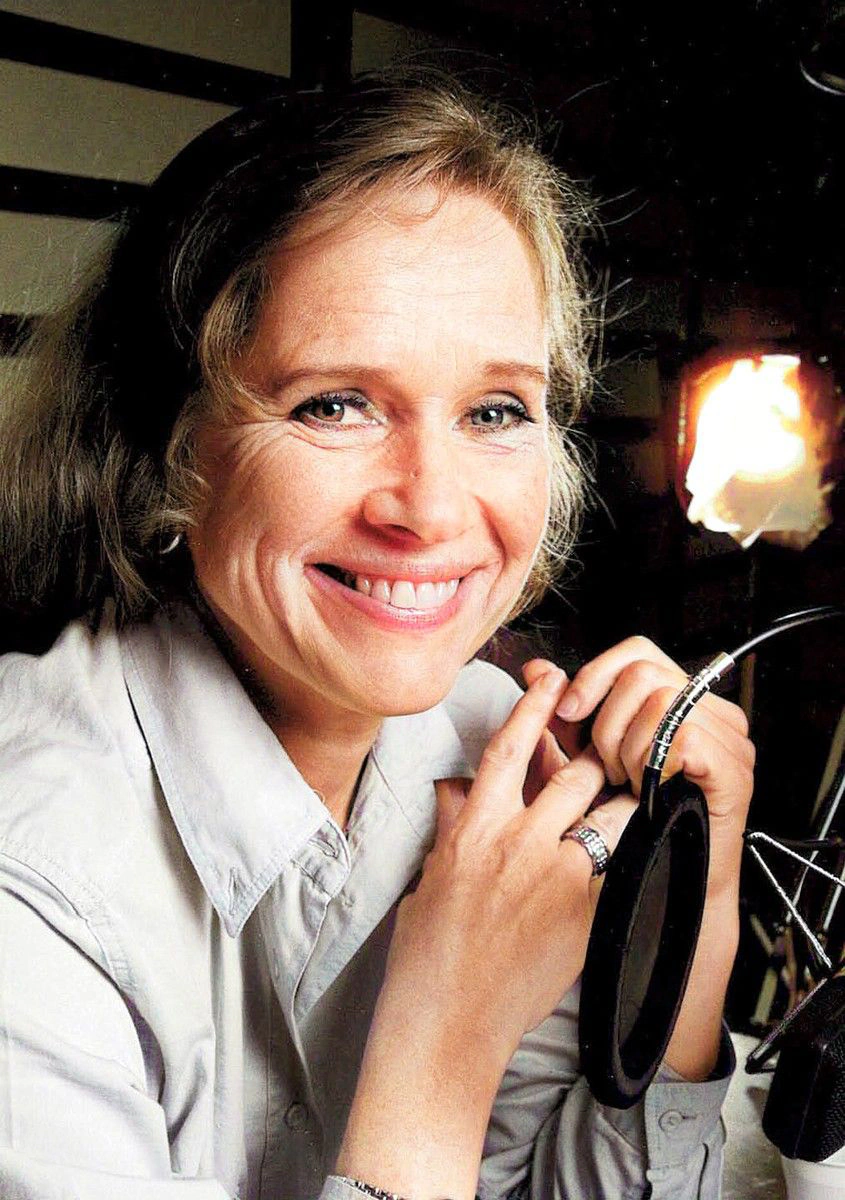
| 6 Quotes | |
| Born as | Liv Johanne Ullmann |
| Occup. | Actress |
| From | Norway |
| Spouses | Hans Jakob Stang (1960-1965) Donald Richard Saunders (1985-1995) |
| Born | December 16, 1938 Tokyo, Japan |
| Age | 87 years |
| Cite | |
Citation Formats
APA Style (7th ed.)
Liv ullmann biography, facts and quotes. (2026, February 11). FixQuotes. https://fixquotes.com/actors/liv-ullmann/
Chicago Style
"Liv Ullmann biography, facts and quotes." FixQuotes. February 11, 2026. https://fixquotes.com/actors/liv-ullmann/.
MLA Style (9th ed.)
"Liv Ullmann biography, facts and quotes." FixQuotes, 11 Feb. 2026, https://fixquotes.com/actors/liv-ullmann/. Accessed 27 Mar. 2026.
Early Life and Background
Liv Johanne Ullmann was born on December 16, 1938, into a Norwegian family marked early by displacement and loss. Because her father worked in aviation, her first years were spent partly abroad, including in Tokyo, before the Second World War pulled Europe into catastrophe. The war years and their aftermath, with Norway under occupation and then rebuilding, formed the backdrop to a childhood in which private life and public history were never far apart.Her father died when she was still very young, and she was raised largely by her mother in Trondheim. That early experience of absence and the practical strength required to go on became a quiet engine in Ullmann's later screen presence - the ability to suggest pressure beneath composure, and to make silence feel like a moral event rather than an empty pause. She came of age in a Norway negotiating modernity: new prosperity, widening cultural horizons, and a persistent Lutheran seriousness about responsibility and truth-telling.
Education and Formative Influences
Ullmann trained for the stage at the Norwegian National Academy of Theatre in Oslo, where craft was taught as discipline rather than glamour and where the Scandinavian repertory tradition prized ensemble rigor. She absorbed Ibsen and Strindberg not as museum pieces but as living investigations of motive, shame, and self-deception, and she learned the actor's habit of treating language as action. Early professional work in Norwegian theater and television sharpened her instincts for close psychological realism - a sensibility that would later translate powerfully to film.Career, Major Works, and Turning Points
Her international turning point came through Ingmar Bergman, whose cinema was entering its most intimate phase when he cast Ullmann in Persona (1966), a role that made her face and listening become narrative. The collaboration deepened in films such as Shame (1968), The Passion of Anna (1969), Cries and Whispers (1972), Scenes from a Marriage (1973), and Autumn Sonata (1978), where she developed a signature style: emotionally exacting, unsentimental, and fearless about contradiction. Ullmann also became a bridge between Scandinavian intensity and global audiences, taking roles in European and American productions while avoiding the traps of mere exportable "Nordic" mystique. Over time she expanded into directing, bringing the actor's sensitivity to rhythm and subtext to her own films, and sustaining a career built less on novelty than on the hard currency of trust.Philosophy, Style, and Themes
Ullmann's art rests on a belief that the camera can register conscience. Her performances often begin in containment - the polite mask, the practiced smile, the socially acceptable story - and then crack toward a more dangerous honesty. In Bergman's close-ups she turned minimal gesture into revelation, suggesting that identity is not a stable possession but a negotiation between what one feels, what one fears, and what one can bear to say. Her best work is not about melodrama but about the microphysics of a relationship: resentment accruing, tenderness returning, dignity breaking, and the self trying to stay intact.That commitment to candor also shaped her public thought about the profession and the human need for connection. “We all need somebody to talk to. It would be good if we talked... not just pitter-patter, but real talk. We shouldn't be so afraid, because most people really like this contact; that you show you are vulnerable makes them free to be vulnerable”. The line reads like an actor's manifesto: vulnerability as technique and as ethics, a way to make an audience braver. Yet she never romanticized the machine around the art; “Hollywood is loneliness beside the swimming pool”. captures her skepticism toward success divorced from meaning. Even her reverence for Bergman carried the bite of fatigue and gratitude at once: “Sometimes I get a little tired of it. But you know, what a privilege, to get tired of working with Ingmar Bergman”. In that tension sits Ullmann's psychology - disciplined, questioning, and wary of comfort.
Legacy and Influence
Ullmann endures as one of cinema's defining faces of interior life, proof that the smallest inflection can carry the weight of a whole moral history. For actors, she modelled a modern Scandinavian realism that is neither cold nor theatrical - a precision that invites empathy without pleading for it. For filmmakers, her Bergman years remain a benchmark for what collaboration can achieve when a director trusts an actor with the full burden of meaning. As an actress who later directed and spoke insistently about human dignity, she helped expand the idea of what a screen performer could be: not a product, but a witness.Our collection contains 6 quotes written by Liv, under the main topics: Friendship - Writing - Work - Contentment - Loneliness.
Source / external links