
Loretta Young Biography Quotes 48 Report mistakes
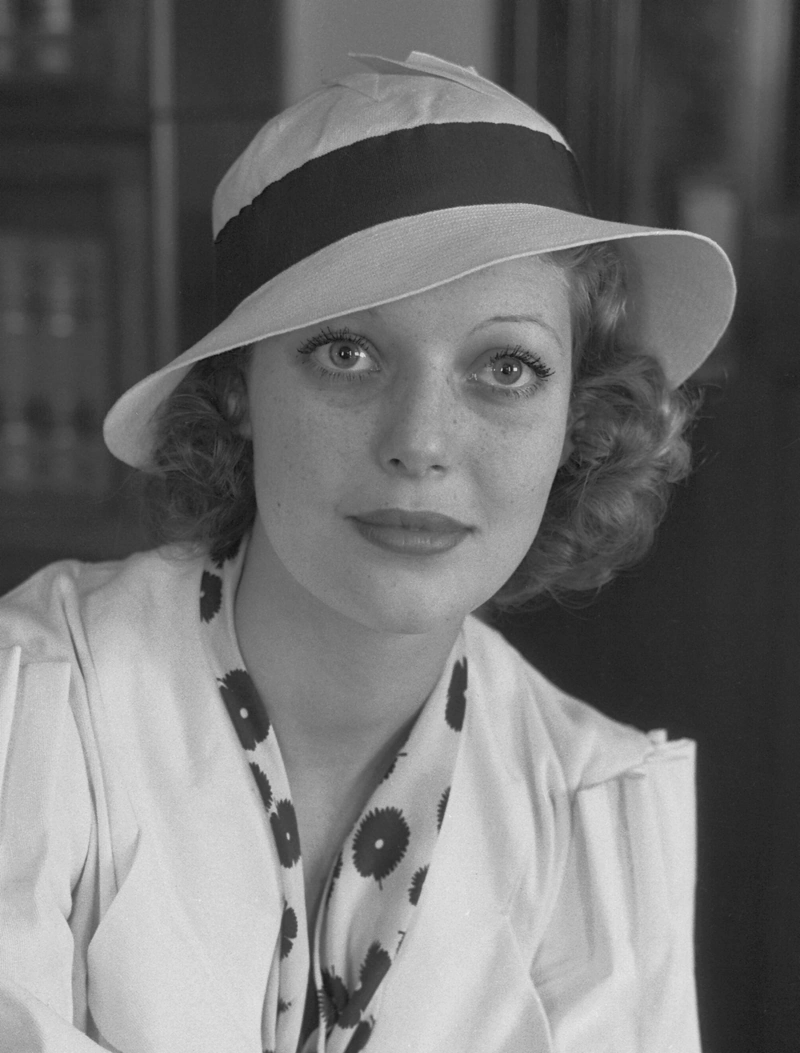
| 48 Quotes | |
| Occup. | Actress |
| From | USA |
| Born | January 6, 1913 |
| Died | August 12, 2000 |
| Aged | 87 years |
| Cite | |
Citation Formats
APA Style (7th ed.)
Loretta young biography, facts and quotes. (2026, February 11). FixQuotes. https://fixquotes.com/actors/loretta-young/
Chicago Style
"Loretta Young biography, facts and quotes." FixQuotes. February 11, 2026. https://fixquotes.com/actors/loretta-young/.
MLA Style (9th ed.)
"Loretta Young biography, facts and quotes." FixQuotes, 11 Feb. 2026, https://fixquotes.com/actors/loretta-young/. Accessed 27 Mar. 2026.
Early Life and Background
Loretta Young was born Gretchen Michaela Young on January 6, 1913, in Salt Lake City, Utah, to John Earle Young and Gladys Mary (Belzer) Young. After her father died when she was small, her mother relocated the family to Southern California, a move that placed the daughters within reach of the still-young film industry. With her sisters Polly Ann and Elizabeth Jane (later the actress Sally Blane), she grew up in a household where propriety, Catholic faith, and the practical necessity of earning money sat side by side.Hollywood in the 1910s and 1920s offered a peculiar sort of childhood: work disguised as play, the camera turning ordinary gestures into sellable charm. Young appeared as a child in silent pictures and gradually became a recognizable face in the studios' vast assembly line. The experience gave her early competence and a performer s poise, but also a private, guarded streak - a habit of controlling what the public was allowed to know, learned before she was old enough to consent to it.
Education and Formative Influences
Her formal schooling was intermittent, shaped by location changes and working hours, but she received Catholic formation that remained a lifelong framework for conscience and self-scrutiny. In the studio system she was educated in the craft itself - blocking, diction, light, and the discipline of hitting marks under pressure - and in the social codes of stardom, where a woman s image was currency and silence could be a survival skill.Career, Major Works, and Turning Points
Young transitioned from silent films to talkies with unusual ease, gaining prominence in the early 1930s through major-studio features that showcased her luminous sincerity. Her career crested in the 1940s: she won the Academy Award for Best Actress for The Farmer s Daughter (1947) and became a fixture of prestige melodramas and romantic dramas, often cast as the moral center in worlds of temptation and compromise. A defining off-screen turning point came from her relationship with Clark Gable during the production of The Call of the Wild (1935) and the birth of their daughter, Judy Lewis, in 1937 - a personal crisis she managed through secrecy and later painful public revelations, revealing the era s harsh calculus for women whose private lives threatened the studio-made persona. In the 1950s she successfully moved to television with The Loretta Young Show (from 1953), winning Emmy recognition and retooling her stardom into an intimate, living-room presence that matched postwar America s appetite for reassurance.Philosophy, Style, and Themes
Young built her screen identity from a paradox: a look of effortless composure paired with an interior anxiety she rarely admitted outright. The self she performed - gracious, controlled, dignified - was not merely branding but a defense against a business that equated femininity with availability and visibility with entitlement. Her work repeatedly stages the drama of conscience: women tested by desire, by class aspiration, by men who offer freedom and demand surrender. She understood how image could become both armor and addiction, and she spoke with unusual candor about the cost of maintaining it: “Glamour is something you can't bear to be without once you're used to it”. Read psychologically, this is less vanity than dependency - the sense that the public mirror, once installed, becomes hard to live without, even when it distorts.At the same time, Young s private testimony complicates the poise. “I couldn't bear it if anyone knew I had hardly any self-confidence at all”. That confession aligns with her carefully managed public boundaries and the meticulous control she exerted over interviews, photographs, and later the narrative of her motherhood. Her moral seriousness, rooted in faith, also surfaced as a critique of modern permissiveness: “I do not hold with those who think it is all right to do whatever you want so long as it doesn't hurt anyone. Who's to be the judge of that?” In her best performances, virtue is not a halo but a struggle - an active, sometimes lonely choice, made under the bright coercion of scrutiny.
Legacy and Influence
Loretta Young died on August 12, 2000, in Los Angeles, leaving a legacy that spans the medium s adolescence, its golden age, and its television reinvention. She remains a case study in how a star could embody American ideals while privately carrying the wounds those ideals produced: the demand for purity, the punishment for complexity, the insistence that a woman s story be simple. Her influence persists in later actresses who negotiate faith, scandal, and image with strategic self-possession, and in the enduring fascination with the gap between the roles Hollywood offered women and the real lives those women fought to protect.Our collection contains 48 quotes written by Loretta, under the main topics: Witty One-Liners - Ethics & Morality - Wisdom - Art - Love.
Other people related to Loretta: Don Ameche (Actor), Clark Gable (Actor)