
Macaulay Culkin Biography Quotes 12 Report mistakes
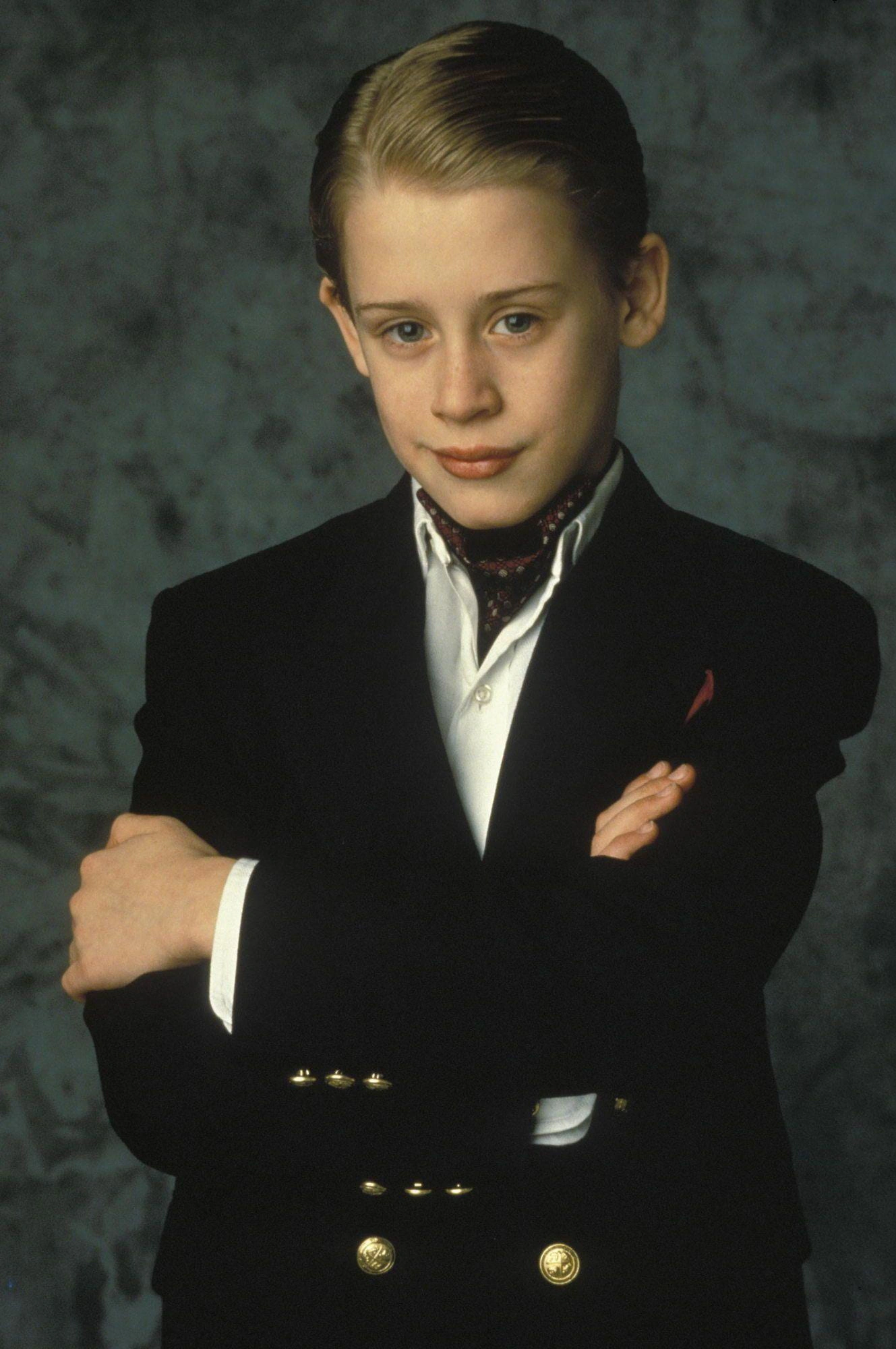
| 12 Quotes | |
| Born as | Macaulay Carson Culkin |
| Occup. | Actor |
| From | USA |
| Spouse | Rachel Miner (1998-2002) |
| Born | August 26, 1980 New York City, USA |
| Age | 45 years |
| Cite | |
Citation Formats
APA Style (7th ed.)
Macaulay culkin biography, facts and quotes. (2026, February 11). FixQuotes. https://fixquotes.com/actors/macaulay-culkin/
Chicago Style
"Macaulay Culkin biography, facts and quotes." FixQuotes. February 11, 2026. https://fixquotes.com/actors/macaulay-culkin/.
MLA Style (9th ed.)
"Macaulay Culkin biography, facts and quotes." FixQuotes, 11 Feb. 2026, https://fixquotes.com/actors/macaulay-culkin/. Accessed 26 Mar. 2026.
Early Life and Background
Macaulay Carson Culkin was born on August 26, 1980, in New York City, and grew up in a large, working-class family in Manhattan. His parents, Patricia Brentrup and Christopher "Kit" Culkin, were not industry royalty but strivers; the household mixed Catholic-school discipline with the improvisations of city life. In the 1980s, when New York was simultaneously gritty and culturally incandescent, child performance was one of the few fast tracks out of precarity, and the Culkins treated auditions as opportunity and pressure in the same breath.From an early age he had the alert, comic timing that reads as effortlessness on screen but is usually forged in close quarters - a small apartment, many siblings, and constant negotiation for attention. That setting trained him to perform and to deflect, to turn anxiety into charm. It also laid the groundwork for later conflict: fame arrived before privacy, and family dynamics, management, and money would become inseparable from childhood itself.
Education and Formative Influences
Culkin studied at the Professional Children's School in New York, an institution built around the schedules of working child performers, and he also trained in ballet, including at the School of American Ballet. The formative influence was less a single mentor than the rhythm of rehearsal and camera marks - learning to hit cues, sharpen expression, and deliver emotion on demand while still forming an identity off set. Those years coincided with a late-1980s entertainment economy hungry for "family" content, priming him to become a defining face of that era.Career, Major Works, and Turning Points
He broke through with roles in films such as Uncle Buck (1989), then became a global phenomenon with Home Alone (1990) and Home Alone 2: Lost in New York (1992), turning slapstick ingenuity into a kind of national comfort during a recession-shadowed moment. He also carried more somber work in My Girl (1991) and The Good Son (1993), and later voiced and starred in The Pagemaster (1994). By the mid-1990s, after an intense run of productions and escalating scrutiny, he stepped away from acting; family disputes and the burdens of celebrity accelerated that retreat. He returned more selectively as an adult, including Party Monster (2003) and later appearances that leaned into self-awareness, culminating in a widely praised supporting turn on television in American Horror Story: Double Feature (2021), which reframed him as a deliberate character actor rather than a preserved childhood icon.Philosophy, Style, and Themes
Culkin's inner life, as glimpsed in interviews and choices, is shaped by an early lesson: mass adoration can be isolating, and work can become a substitute for childhood. He described the social gap fame created with unusual bluntness: “I went to high school, which was a good thing because I hadn't interacted with many people my age, and I didn't really have friends. I had a million acquaintances and no friends”. The line reads like a diagnosis of celebrity itself - visibility without intimacy - and helps explain why his adult career often prioritizes controlled environments, smaller ensembles, and projects that offer genuine collaboration over spectacle.His style has always mixed mischief with a slightly watchful intelligence, as if the character is aware of the room. That sensibility matured into a philosophy of limits and autonomy: “I did 14 movies in six years, I had a cartoon TV show, and I don't want to do that again. I just want to make unique pieces of art. That's why I quit everything when I was 14 and sat around for eight years before I did another movie”. What looks like withdrawal becomes, in this framing, a defensive art practice - refusing the factory pace that once defined him. Even his approach to money and labor reflects a boundary between necessity and desire: “Because of what I did when I was 10 years old, I'm not living from paycheck to paycheck, and I can do things because I want to do them”. The psychological through-line is control reclaimed: a former commodity insisting on consent, timing, and texture.
Legacy and Influence
Culkin endures as more than the face of a holiday classic: he is a case study in the costs of child stardom and the possibility of renegotiating it. Home Alone remains a cultural ritual, but his greater influence may be narrative - an early megastar who publicly chose distance, then returned on his own terms, helping normalize the idea that an actor's healthiest career might include refusal. For later child performers and for audiences raised on his films, his arc reframes nostalgia into something sharper: a reminder that the child on screen becomes an adult with agency, and that survival can be its own kind of artistry.Our collection contains 12 quotes written by Macaulay, under the main topics: Friendship - Writing - New Beginnings - Respect - Quitting Job.
Other people related to Macaulay: Tim Curry (Actor), Alex D. Linz (Actor), Eddie Bracken (Actor), John Hughes (Director)
Source / external links