
Mandy Patinkin Biography Quotes 20 Report mistakes
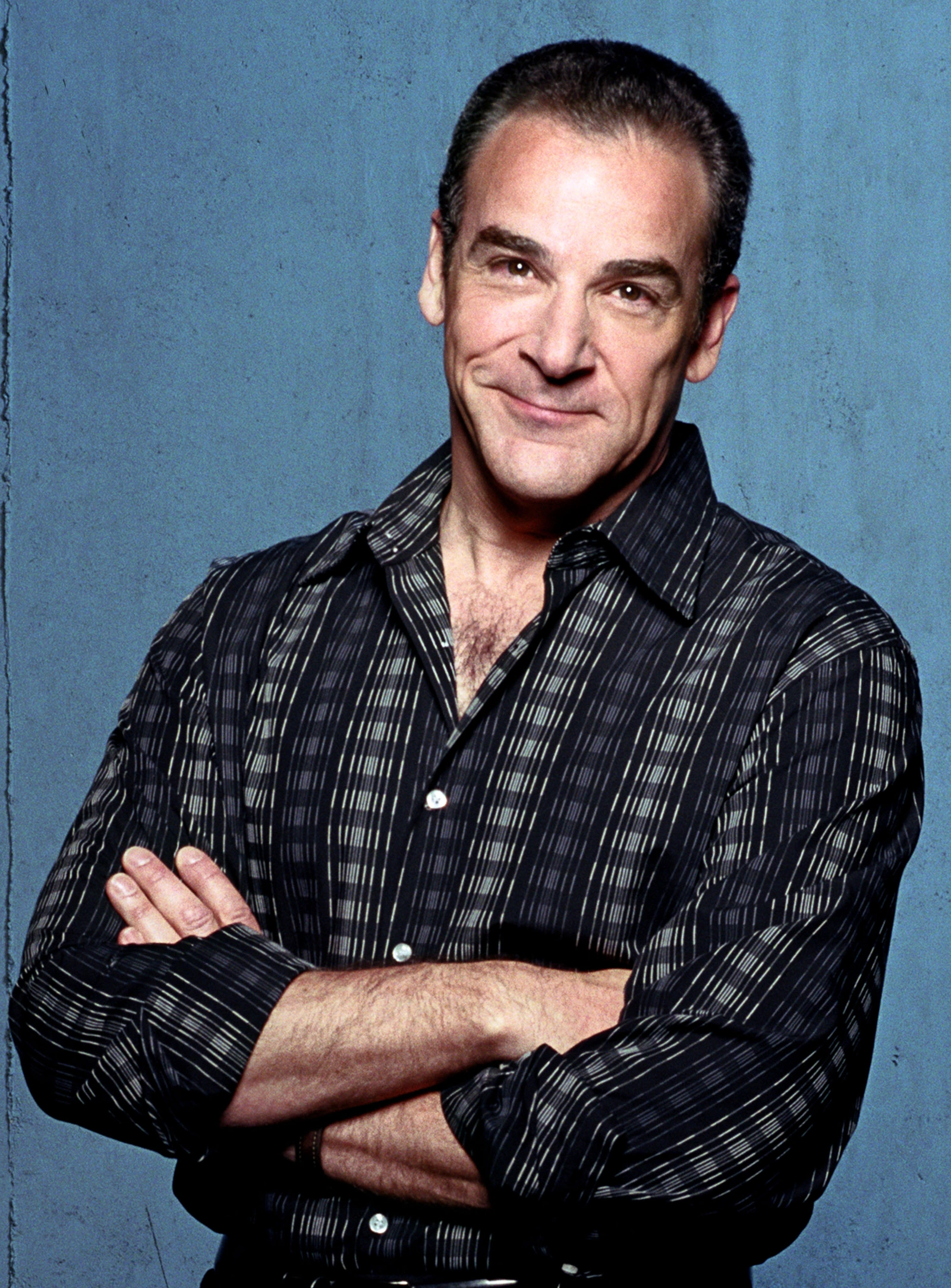
| 20 Quotes | |
| Occup. | Actor |
| From | USA |
| Born | November 30, 1952 |
| Age | 73 years |
| Cite | |
Citation Formats
APA Style (7th ed.)
Mandy patinkin biography, facts and quotes. (2026, February 11). FixQuotes. https://fixquotes.com/actors/mandy-patinkin/
Chicago Style
"Mandy Patinkin biography, facts and quotes." FixQuotes. February 11, 2026. https://fixquotes.com/actors/mandy-patinkin/.
MLA Style (9th ed.)
"Mandy Patinkin biography, facts and quotes." FixQuotes, 11 Feb. 2026, https://fixquotes.com/actors/mandy-patinkin/. Accessed 12 Feb. 2026.
Early Life and Background
Mandy Patinkin was born on November 30, 1952, in Chicago, Illinois, and grew up in a Jewish household shaped by mid-century American mobility and aspiration. His father, an industrial paints salesman, and his mother, a homemaker, raised him amid the postwar citys ethnic neighborhoods and the surrounding suburbs, where synagogue life, family ritual, and the sound of popular music coexisted with the harsher undertones of the era - Vietnam on television, urban unrest, and a widening generational gap that made young performers newly visible as cultural conduits.From the start, Patinkin presented the double engine that would define his public life: an appetite for performance and a moral alertness to suffering. Singing in synagogue and local groups trained his ear for language and breath; the intensity of that early vocal discipline became a kind of emotional ballast. Chicago also offered him models of craft - storefront theater, touring musicals, and the citys tradition of actor-driven work - that suggested a life in art could be both rigorous and socially awake, not merely decorative.
Education and Formative Influences
After high school, Patinkin gravitated toward higher education not simply as credentialing but as a search for range and context. He attended the University of Kansas before transferring to Juilliards Drama Division in New York, part of a generation for whom conservatory training promised technique without extinguishing individuality. His own ambivalence about the classroom versus the stage later surfaced in his frank recollection that he was consumed by theater even when enrolled elsewhere, and that the institution eventually pushed back - a formative lesson in choosing vocation over the conventional script of stability.Career, Major Works, and Turning Points
Patinkins breakout came through musical theater, where his actor-singers intelligence and ache made him more than a romantic lead. He originated Che in Andrew Lloyd Webber and Tim Rices Evita on Broadway, winning a Tony Award in 1980, then returned to the Sondheim canon with a bracing, morally complex George in Sunday in the Park with George (1984), anchoring its meditation on art, labor, and loneliness. Film broadened his reach - Yentl (1983) showcased his lyricism opposite Barbra Streisand, and The Princess Bride (1987) made him indelible as Inigo Montoya, a role that fused comedy, swordplay, and grief into pop mythology. Later reinventions arrived through television: the obsessive profiler Jason Gideon on Criminal Minds and the haunted intelligence operative Saul Berenson on Homeland, performances that translated theatrical precision into the close-up language of modern prestige TV.Philosophy, Style, and Themes
Patinkin works like a musician: phrasing first, psychology second, spectacle last. His best performances hinge on the belief that language must be inhabited rather than displayed, and that emotion becomes credible only when it is earned through specificity. That ethic is also his antidote to ego. "The best work I can do is to take myself as much as I can out of it and get it as simple as I can". The line reads as craft advice, but it is also a self-portrait - an artist wary of vanity, drawn instead to disciplined clarity, whether singing Sondheim, fencing through fairy-tale grief, or letting silence carry intelligence in a surveillance room.His inner life, publicly articulated without slickness, is inseparable from identity and conscience. "I'm a spiritual person, I'm an America, I'm a Jew, and all of those things influence every breath I take, everywhere I go". That layering helps explain why his characters so often live at moral crossroads: idealists confronting compromise, protectors bruised by what they have seen, men who love fiercely yet fear what love costs. Offstage, his advocacy follows the same trajectory - the insistence that private ethics must be translated into public responsibility. "I'm active in PAX, which is a gun awareness organization. We treat gun safety as a public health issue". In Patinkins world, performance is not an escape from reality but a refined way of facing it.
Legacy and Influence
Patinkins enduring influence lies in his refusal to separate virtuosity from humanity. He helped define the modern actor-singer as an interpreter of ideas, not merely a producer of high notes, and his definitive turns in Evita and Sunday in the Park with George remain reference points for Broadway craft. In popular culture, Inigo Montoya became a shorthand for righteous devotion, while his later television work demonstrated how theater-trained actors could deepen long-form storytelling without theatricalizing it. Across decades, his public voice - grounded in Jewish identity, spiritual searching, and civic engagement - has made him a model of the artist as citizen: restless, principled, and committed to turning technique into meaning.Our collection contains 20 quotes written by Mandy, under the main topics: Wisdom - Art - Music - Deep - Work Ethic.
Other people related to Mandy: Hector Elizondo (Actor), Terence Stamp (Actor), Claire Danes (Actress), Christine Lahti (Actress), Andrew Lloyd Webber (Composer), Adam Arkin (Actor), Bernadette Peters (Actress), Eartha Kitt (Actress), F. Murray Abraham (Actor), Carol Kane (Actress)
Source / external links