
Marc Wallice Biography Quotes 21 Report mistakes
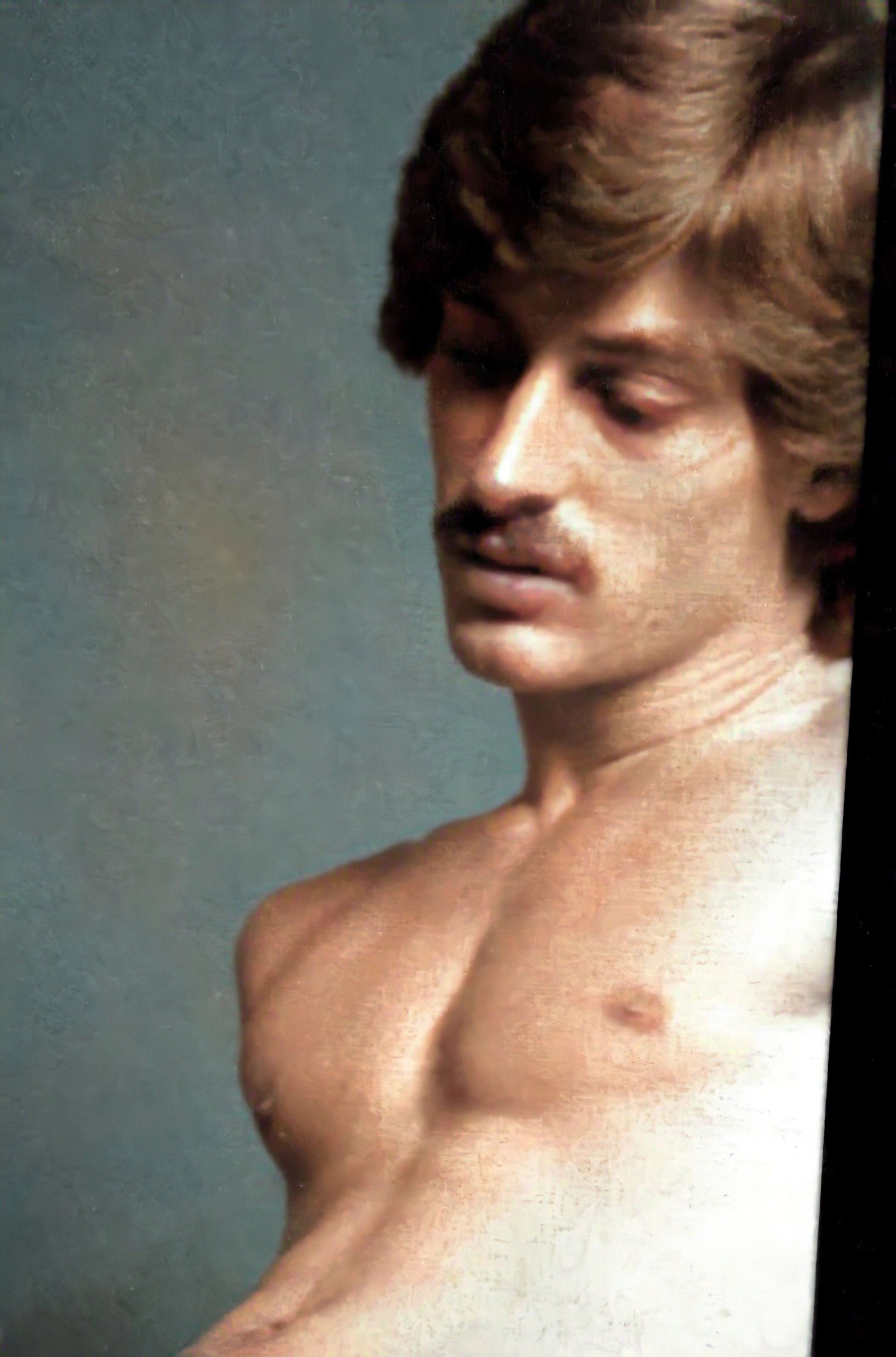
| 21 Quotes | |
| Occup. | Actor |
| From | USA |
| Born | October 3, 1959 USA |
| Age | 66 years |
| Cite | |
Citation Formats
APA Style (7th ed.)
Marc wallice biography, facts and quotes. (2026, February 11). FixQuotes. https://fixquotes.com/actors/marc-wallice/
Chicago Style
"Marc Wallice biography, facts and quotes." FixQuotes. February 11, 2026. https://fixquotes.com/actors/marc-wallice/.
MLA Style (9th ed.)
"Marc Wallice biography, facts and quotes." FixQuotes, 11 Feb. 2026, https://fixquotes.com/actors/marc-wallice/. Accessed 6 Mar. 2026.
Early Life and Background
Marc Wallice was born on October 3, 1959, in the United States, coming of age in a period when American sexual culture was simultaneously liberalizing and hardening into new moral panics. His early life, by his own telling, carried a formative absence that would later echo through his adult need for belonging and control. “My father was gone when I was three years old”. That kind of rupture often produces a split psychology - a hunger for validation paired with a suspicion that stability can vanish without warning.Long before he became a recognizable name on adult-video box covers, Wallice learned how reputations are made and broken in American life: by rumor, by community, by paperwork, and by the stories people repeat. Those lessons mattered later, when his name became associated not simply with performance but with a public controversy that turned private behavior into an industry-wide fear. In that climate, a performer could be treated as both worker and symbol, and Wallice would experience how quickly a person can be reduced to an allegation.
Education and Formative Influences
Public details of Wallice's formal schooling are limited, but his formative education was, in effect, vocational and social - learning camera awareness, sexual performance as labor, and the informal codes of sets, agents, and testing regimes that grew stricter as the HIV/AIDS crisis transformed adult entertainment. The era taught him that professionalism could mean reliability under pressure as much as raw charisma, and it also taught him that the same systems that let a worker earn a living could later become instruments of scrutiny when the culture needed a villain.Career, Major Works, and Turning Points
Wallice built his public identity as an actor in adult film during the industry's video boom, a time when studios professionalized, star personas solidified, and companies like Elegant Angel helped define a slick, high-output West Coast style. He later asserted a creative stature beyond performing - “I still have my talent to produce and direct”. - reflecting an ambition to be seen as a maker with craft, not merely a body in frame. The central turning point of his career was the late-1990s HIV controversy and the legal and social consequences that followed, which reshaped how the industry discussed testing, consent, and liability and which also functioned as a personal rupture: after that moment, his name carried a cautionary weight that overwhelmed earlier professional accomplishments.Philosophy, Style, and Themes
Wallice's inner life, as glimpsed through his public statements, is defined by a collision between self-preservation and a craving for ordinary anonymity. When he described moving through public space under the gaze of presumed accusation - “Now I walk around with my head down, trying to hide, thinking that everybody knows that I inflicted people with HIV, because that is all they are going to read”. - he was naming shame not simply as guilt, but as social exposure: the terror of being fixed in other people's minds as a single story. The sentence reveals a man who experienced fame as surveillance, and who understood that notoriety travels faster than nuance.He also framed the controversy through the language of proof and systems, almost as if legal logic could restore moral order: “I hear that Brooke Ashley is also pressing charges. I don't know how she can prove anything. How can they prove anything, whether it's true or not, that I'm the one that infected her?” That insistence on evidentiary certainty reads as both defense strategy and psychological refuge - a way to retreat from unbearable moral complexity into procedure. Yet beside that procedural focus sits an unexpectedly pragmatic impulse toward reinvention: “I'm thinking of going to programming school. Learn how to sit down at any computer and learn to do anything on it. That's all I have left and have interest in”. In that imagined future, the body that made him employable becomes irrelevant; the self is rebuilt around mastery, solitude, and a skill that cannot be scandalized as easily as sex.
Legacy and Influence
Wallice's legacy is inseparable from the era that produced him: the maturation of the adult-video star system, the industry's attempts to professionalize sexual labor, and the late-1990s reckoning that forced testing, record-keeping, and risk disclosure into the center of production culture. For many, his name became shorthand for institutional vulnerability - how a single performer could catalyze fear, policy, and public condemnation - and for others, a reminder of how quickly a worker can be stripped of complexity once a scandal supplies a simple narrative. Whatever one concludes about responsibility, Wallice remains a consequential figure for understanding how adult entertainment collided with HIV-era anxieties, and how the desire to be seen can mutate into the need to disappear.Our collection contains 21 quotes written by Marc, under the main topics: Witty One-Liners - Justice - Friendship - Movie - Health.
Source / external links