
Margot Kidder Biography Quotes 33 Report mistakes
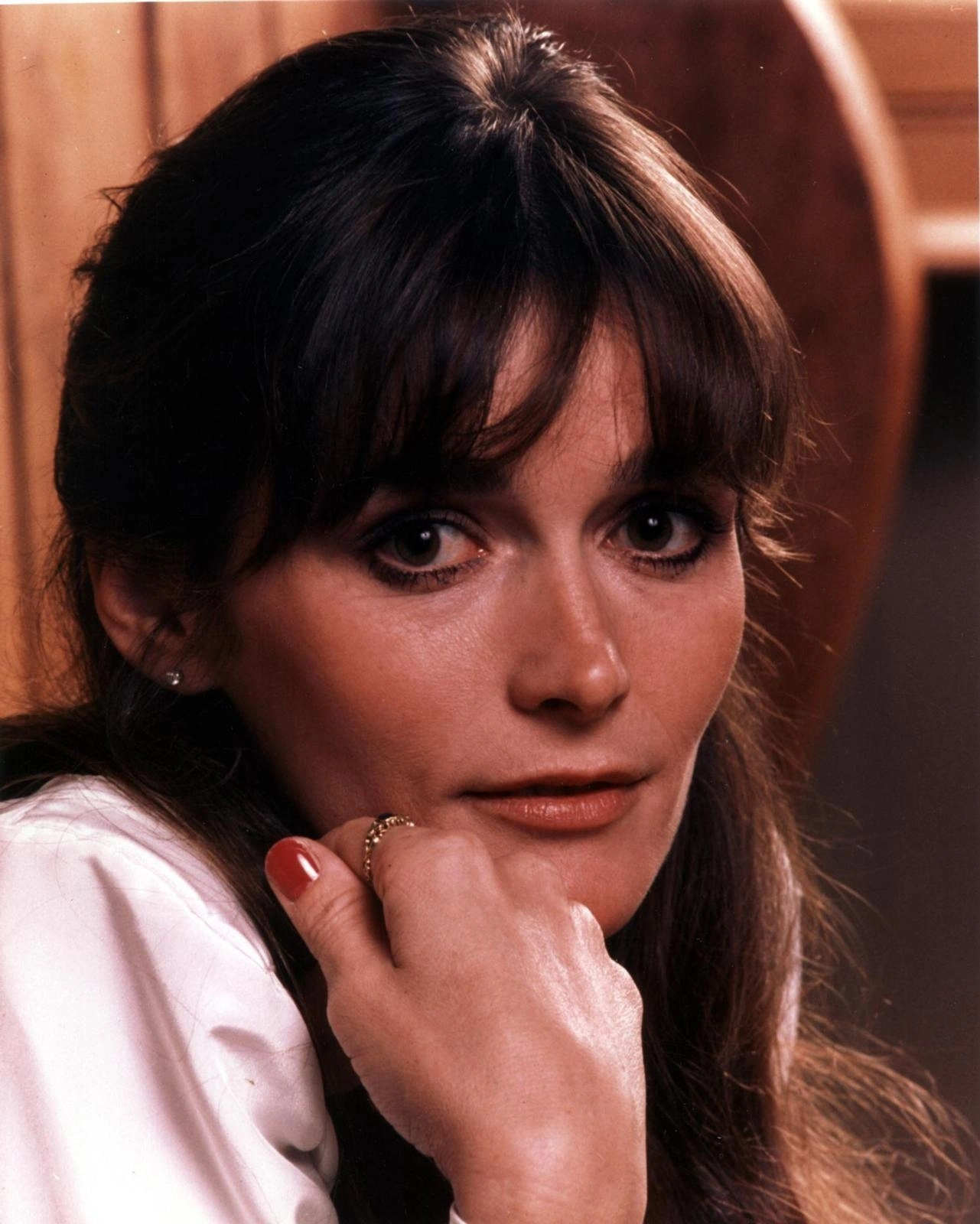
| 33 Quotes | |
| Born as | Margaret Ruth Kidder |
| Occup. | Actress |
| From | USA |
| Born | October 17, 1948 Yellowknife, Northwest Territories, Canada |
| Age | 77 years |
| Cite | |
Citation Formats
APA Style (7th ed.)
Margot kidder biography, facts and quotes. (2026, February 11). FixQuotes. https://fixquotes.com/actors/margot-kidder/
Chicago Style
"Margot Kidder biography, facts and quotes." FixQuotes. February 11, 2026. https://fixquotes.com/actors/margot-kidder/.
MLA Style (9th ed.)
"Margot Kidder biography, facts and quotes." FixQuotes, 11 Feb. 2026, https://fixquotes.com/actors/margot-kidder/. Accessed 26 Mar. 2026.
Early Life and Background
Margaret Ruth Kidder was born on October 17, 1948, in Yellowknife, Northwest Territories, Canada, into a life shaped by distance, weather, and motion rather than glamour. Her father worked in the remote-services economy of the North, and the family moved often across Canadian towns, an upbringing that trained her early in quick observation and reinvention - skills that later read on screen as spontaneity. Although commonly described as Canadian, she built her professional identity largely in the United States, where Hollywood would eventually fix her face in the public mind as Lois Lane.The instability of constant relocation also came with an interior cost. Kidder spoke later of recurrent episodes of mental illness that preceded her fame, a private struggle that ran alongside her outwardly fearless persona. That tension - between the girl from the margins and the woman turned into an international symbol - would become one of the defining rhythms of her life: a capacity to charm and perform under pressure, and a separate, often solitary battle to keep herself intact.
Education and Formative Influences
She attended multiple schools due to family moves and was drawn early to books, theater, and the countercultural energy that swept North America in the 1960s. Kidder came of age as ideas about war, sexuality, authority, and women's autonomy were being renegotiated in public, and she absorbed that era not as an aesthetic but as a moral temperature - later recalling, “It was a wonderful time to be young. The 1960s didn't end until about 1976. We all believed in Make Love, Not War. We were idealistic innocents, despite the drugs and sex”. That combination of idealism and unsentimental realism - innocence without naivete - fed both her acting choices and her activism.Career, Major Works, and Turning Points
Kidder began acting professionally in Canada in the late 1960s, gaining attention in film before shifting toward U.S. opportunities in the 1970s; her break into global celebrity arrived with Richard Donner's "Superman" (1978), opposite Christopher Reeve. As Lois Lane, she fused wit, vulnerability, and newsroom nerve, helping ground a comic-book premise in human stakes, and she reprised the role in the series sequels through the 1980s. Her career remained varied, spanning thrillers and independent work, television guest roles, and stage appearances, but public narrative often narrowed her to that single archetype. A major turning point came in the mid-1990s when a highly publicized manic episode made her private health crisis tabloid material; she later returned to work and to public life with a sharpened sense of what fame could distort and what survival demanded.Philosophy, Style, and Themes
Kidder's screen presence rested on kinetic intelligence: she played women who think faster than the room expects, then pay the social price for it. She could be flinty, flirtatious, and suddenly raw - a performer willing to let discomfort show. Yet she resisted the industry's temptation to turn performance into a substitute for living; “Acting's fun, but life's more important”. That line, delivered without romance, functions like a compass point in her biography: she treated the craft seriously, but refused to treat it as sacred, and that refusal helped her survive the swings of visibility and neglect that define most acting lives.Her candor about mental illness became an extension of that same ethic: strip away the myth, deal with the facts, keep moving. Discussing recovery after the episode that became public spectacle, she said, “I'd had episodes before, but I swept them under the carpet. This time, I couldn't do that because everyone knew. I got on with the hard work of getting better and haven't had a blip in almost 10 years”. The psychology behind the statement is practical rather than confessional: shame is named, then treated as a barrier to work - the work, here, being health. Even her humor carried an edge; “I'm an old cynic”. reads less as bitterness than as armor, the kind a woman adopts after watching idealism collide with institutions, tabloids, and the commercial machinery that feeds on vulnerability.
Legacy and Influence
Kidder died in 2018, but her influence persists in two intertwined legacies: a definitive Lois Lane who helped set the template for modern superhero realism, and a public figure who insisted on speaking plainly about mental health and women's autonomy. She modeled a form of celebrity that did not depend on perpetual gratitude, and she left behind a record of performances and interviews that still instruct: charisma can coexist with skepticism, and survival can be treated as a discipline rather than a storyline.Our collection contains 33 quotes written by Margot, under the main topics: Witty One-Liners - Dark Humor - Mortality - Life - Movie.
Other people related to Margot: J. Lee Thompson (Director), Keir Dullea (Actor), James Brolin (Actor)
Source / external links