
Marie Dressler Biography Quotes 10 Report mistakes
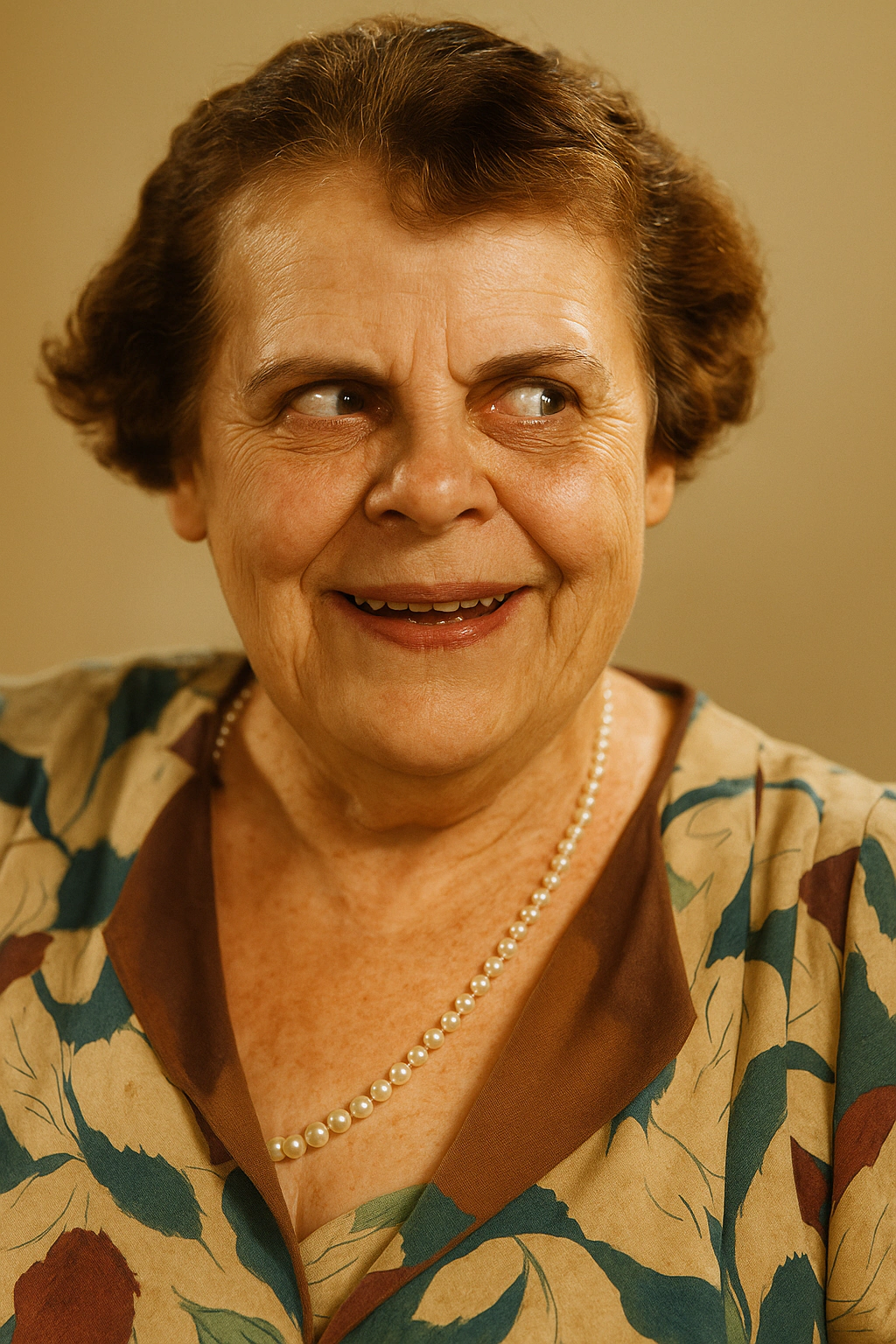
Attr: MGM - Link
| 10 Quotes | |
| Born as | Leila Marie Koerber |
| Occup. | Actress |
| From | USA |
| Born | November 9, 1869 Cobourg, Ontario, Canada |
| Died | July 28, 1934 Santa Barbara, California, United States |
| Cause | Cancer |
| Aged | 64 years |
| Cite | |
Citation Formats
APA Style (7th ed.)
Marie dressler biography, facts and quotes. (2026, February 11). FixQuotes. https://fixquotes.com/actors/marie-dressler/
Chicago Style
"Marie Dressler biography, facts and quotes." FixQuotes. February 11, 2026. https://fixquotes.com/actors/marie-dressler/.
MLA Style (9th ed.)
"Marie Dressler biography, facts and quotes." FixQuotes, 11 Feb. 2026, https://fixquotes.com/actors/marie-dressler/. Accessed 12 Feb. 2026.
Early Life and Stage Beginnings
Marie Dressler was born Leila Marie Koerber on November 9, 1868, in Cobourg, Ontario, Canada. Drawn to performance from an early age, she joined traveling theatrical companies as a teenager and learned the rigors of life on the road: one-night stands, quick costume changes, and the discipline of making audiences laugh and care in equal measure. She adopted the stage name Marie Dressler and built her persona around robust physicality, sharp timing, and a keen instinct for character. By the 1890s she was a reliable headliner in popular musical comedies, a recognizably down-to-earth presence who stood apart from daintier ingénues and elegant leading ladies.Rise on the Stage and Touring Years
Dressler's stage career blossomed in the United States, where she led her own touring companies and scored long-run successes on Broadway and the road. She cultivated a rapport with audiences who responded to her blend of frank humor and sentiment. Her signature roles often invited her to play women who could take care of themselves, speaking plainly and acting decisively. Offstage she developed a reputation for tenacity, advocating for fair treatment of performers. The experience she accumulated over decades, singing, dancing, clowning, and commanding a crowd, became the foundation of her later screen triumphs.Silent Film Breakthrough
Dressler's film debut came at the height of the silent era. In 1914 she starred for Keystone Studios in Tillie's Punctured Romance, often cited as the first feature-length screen comedy. Working under producer-director Mack Sennett and alongside Charlie Chaplin and Mabel Normand, she proved that a seasoned stage comic could adapt to the camera without losing presence or spontaneity. The role of Tillie, brash yet vulnerable, fit her perfectly, and its success led to further Tillie pictures and other silent comedies. Even so, the transition from stage stardom to film offered no guarantees. While her name remained well known, the opportunities of the 1910s did not always translate into consistent work during the 1920s.Setbacks and a Determined Comeback
After World War I, Dressler's fortunes waned. The theater business shifted, and her outspoken support for actors' rights during a period of labor unrest complicated bookings. She weathered financial difficulties and stretches of underemployment that would have ended a lesser career. A turning point came through the advocacy of friends within the film community, notably the screenwriter Frances Marion, who recognized that Dressler's authenticity, her ability to be funny without artifice and touching without sentimentality, could anchor the new era of studio filmmaking. MGM extended opportunities that led to a renewed screen presence, including a string of comedies with Polly Moran that reintroduced Dressler to audiences as a formidable and lovable comic force.Sound Era Stardom
The arrival of sound unlocked the full power of Dressler's voice and timing. In Clarence Brown's Anna Christie (1930), opposite Greta Garbo, she played Marthy, a hard-bitten waterfront denizen whose salty humor and compassion grounded the melodrama in lived-in reality. That performance primed audiences for her career-defining success in Min and Bill (1930), directed by George W. Hill and co-starring Wallace Beery. As the tough, big-hearted proprietor of a dockside hotel, she commanded the screen with authority and emotional intelligence, earning the Academy Award for Best Actress. The film's popularity catapulted her to the top of the early-1930s box office at an age when Hollywood rarely crowned older women as stars.She sustained that momentum with a series of hits. With Beery she reunited for Tugboat Annie (1933), bringing warmth and comic friction to the tale of maritime workaday life. In Dinner at Eight (1933), directed by George Cukor and featuring Jean Harlow, John Barrymore, Lionel Barrymore, and Beery, Dressler stole scenes as Carlotta Vance, a once-great actress wielding wit as a shield against time and circumstances. She also headlined Emma (1932) and other vehicles that showcased her ability to turn domestic and working-class characters into resonant figures of dignity and humor.
Artistry, Image, and Collaborations
Dressler's artistry lay in embracing roles that centered experience rather than glamour. She made comedy out of truth, out of how people actually moved, worried, loved, and persevered. Directors like Clarence Brown and George W. Hill trusted her instincts, and producers Irving Thalberg and Louis B. Mayer recognized that her presence expanded MGM's appeal. On-screen partners mattered too: Wallace Beery's bluff masculinity sharpened her irony; Polly Moran's impetuousness set up Dressler's deadpan retorts; Greta Garbo's tragic inwardness made Dressler's sardonic empathy glow. Colleagues respected her professionalism and the way she could land a laugh while deepening a character, often in the very same moment.Later Years and Final Work
Despite escalating health problems, Dressler continued working through the early 1930s. The studio tailored productions to her strengths, aware that audiences found solace in her blend of grit and kindness during the Great Depression. She navigated fame with the perspective of someone who had known hardship, championing crews and fellow actors and keeping sets efficient and collegial. Even as illness advanced, she insisted on delivering fully realized performances, refusing to coast on celebrity or past triumphs.Death and Legacy
Marie Dressler died of cancer on July 28, 1934, in Santa Barbara, California. Her passing cut short a late-life renaissance that had already rewritten assumptions about age, femininity, and star power in Hollywood. She left behind a filmography that includes milestones of both silent and sound cinema, and a model of comic acting rooted in humanity rather than superficial gags. Her Oscar for Min and Bill validated a career that spanned vaudeville tents, Broadway stages, and the evolving language of film, and her prominence at the box office in the early 1930s proved that audiences would rally to a performer who reflected their struggles and hopes. Remembered alongside collaborators such as Mack Sennett, Charlie Chaplin, Mabel Normand, Frances Marion, Wallace Beery, Greta Garbo, and George Cukor, Dressler endures as one of the rare stars whose laughter and pathos remain equally indelible.Our collection contains 10 quotes written by Marie, under the main topics: Witty One-Liners - Wisdom - Truth - Art - Never Give Up.
Other people related to Marie: Billie Burke (Actress)
Frequently Asked Questions
- Marie Dressler book: Her 1924 autobiography, The Life Story of an Ugly Duckling.
- Marie Dressler Oscar: Won Best Actress for Min and Bill (1930); also nominated for Emma (1932).
- What is Marie Dressler net worth? Unknown; she died in 1934 and no reliable estimate exists.
- Marie Dressler young: She began on stage as a teenager in vaudeville and Broadway.
- Marie Dressler daughter: She had no children.
- How old was Marie Dressler? She became 64 years old
Source / external links