
Mark Goddard Biography Quotes 26 Report mistakes
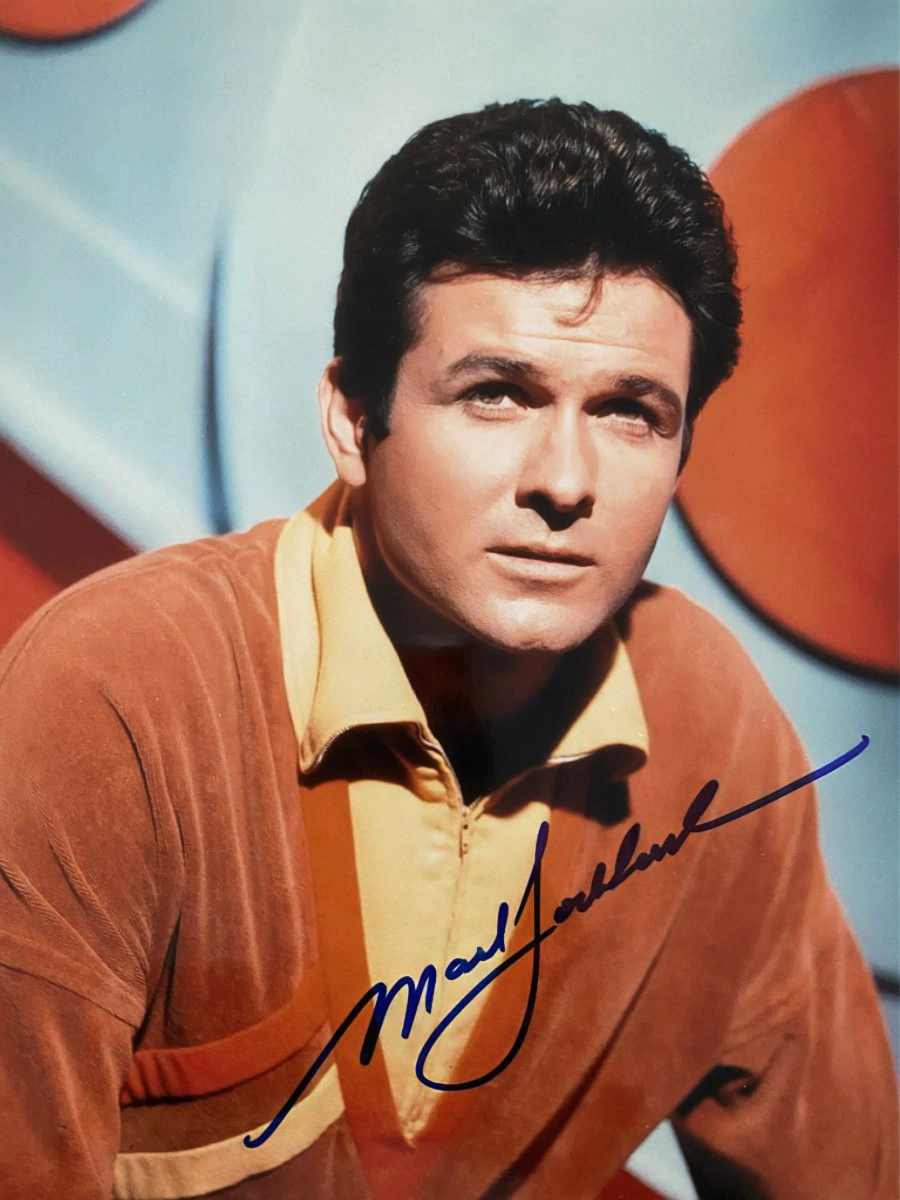
| 26 Quotes | |
| Born as | Charles Harvey Goddard |
| Occup. | Actor |
| From | USA |
| Spouses | Marcia Rogers (1960-1968) Susan Anspach (1970-1978) Evelyn Pezzulich (1990) |
| Born | July 24, 1936 Lowell, Massachusetts, USA |
| Age | 89 years |
| Cite | |
Citation Formats
APA Style (7th ed.)
Mark goddard biography, facts and quotes. (2026, February 11). FixQuotes. https://fixquotes.com/actors/mark-goddard/
Chicago Style
"Mark Goddard biography, facts and quotes." FixQuotes. February 11, 2026. https://fixquotes.com/actors/mark-goddard/.
MLA Style (9th ed.)
"Mark Goddard biography, facts and quotes." FixQuotes, 11 Feb. 2026, https://fixquotes.com/actors/mark-goddard/. Accessed 12 Feb. 2026.
Early Life and Background
Mark Goddard was born Charles Harvey Goddard on July 24, 1936, in the United States, a Depression-era baby who came of age as postwar America remade itself around suburbia, television, and a new faith in science. He grew up in a culture that rewarded steadiness and aspiration, where the uniforms of the military, the professionalism of engineers, and the self-improvement promises of the new middle class carried real glamour. Those values would later surface in the best-known figure he played - a young officer projecting competence inside a family-centered adventure.Goddard changed his name professionally and stepped into an industry that was itself transforming. By the 1950s and early 1960s, live TV and filmed series were manufacturing national familiarity at speed; actors were no longer only stage figures or movie stars but weekly companions. Goddard, tall and clean-cut, fit an era hungry for authority without menace - the kind of face that could sit at the center of a living room without unsettling it.
Education and Formative Influences
He pursued training that took him seriously as a craftsperson, not merely a photogenic presence, studying at Carnegie Mellon University in Pittsburgh, an institution known for rigorous performance training. That background mattered: his later screen work often suggests an actor thinking in terms of physical carriage and inner objectives rather than just line readings, aligning with mid-century acting ideals that blended discipline with psychological realism.Career, Major Works, and Turning Points
After early stage and television work in the early 1960s, Goddard became widely recognized as Major Don West on CBS's Lost in Space (1965-1968), a series that began as a relatively earnest science-adventure about the Robinson family and then shifted toward broader comedy and camp as the market for kid-friendly spectacle grew. The role locked his public image to a specific kind of American heroism - dutiful, romantic, sometimes baffled by chaos yet rarely broken by it - and that identification followed him into later appearances and fan culture. Decades afterward he returned to the franchise in the 1998 film adaptation, playing a military leader, a meta-casting that acknowledged both nostalgia and the industry reality that certain faces become part of a property's DNA.Philosophy, Style, and Themes
Goddard often framed his career less as destiny than as contingency, suggesting a psychology built on gratitude and practicality rather than mythmaking. "I kind of fell into acting.I was very lucky". That sentence reads like more than modesty: it is the worldview of a working performer who understands how casting, timing, and taste decide careers, and who therefore tries to meet opportunity with preparation. His method leaned toward constructing authority from the outside in - posture, status, and implied history - a style well-suited to military or command roles and to the mid-century belief that character is partly a matter of bearing.His most enduring themes are family, technology, and the compromises of popular entertainment. He could articulate, with the clarity of someone who watched tone shift in real time, the tension between seriousness and the comedic elements that made Lost in Space iconic: "I would have liked it to have stayed serious and have the adventures of a family lost in space. This isn't to take anything away from Jonathan and the Robot. I watch his performance today and he still makes me laugh". The remark reveals an actor who valued narrative stakes yet respected what audiences embraced, accepting that a show is a collaboration between intentions and reception. In later reflections he extended that acceptance to intergenerational viewing, urging fans to release possessiveness over childhood memories: "I hope that they enjoy the movie. Don't be critical. Don't expect to get the same feelings you got when you watched the series when you were 10 years old. Let your kids see it and experience it on their own". Beneath it is a gentle philosophy: nostalgia should be a bridge, not a gate.
Legacy and Influence
Goddard's legacy rests on a rare kind of fame - not constant visibility, but deep imprint. For many viewers he became a weekly exemplar of decency and composure during an age when television shaped domestic imagination, and his Don West remains one of the defining officers of 1960s sci-fi adventure. The later film role, and his long relationship with conventions and fans, underscored how television performers can become custodians of shared childhoods, their work preserved less in awards than in memory and ritual. In that sense, Goddard's influence is intimate: he helped define what a family-friendly space future looked like, and he demonstrated that professionalism and warmth can be as culturally durable as stardom.Our collection contains 26 quotes written by Mark, under the main topics: Witty One-Liners - Justice - Life - Kindness - Science.
Other people related to Mark: Bill Mumy (Actor), Jonathan Harris (Actor)
Frequently Asked Questions
- Judy and Don Lost in Space kiss: In the TV series Lost in Space, characters Judy Robinson and Don West, played by Marta Kristen and Mark Goddard respectively, shared a kiss in the episode titled The Time Merchant.
- Who is Marcia Rogers? Marcia Rogers was Mark Goddard's first wife. They were married from 1959 until their divorce in 1970.
- How old is Mark Goddard? He is 89 years old
Source / external links