
Marla Sokoloff Biography Quotes 10 Report mistakes
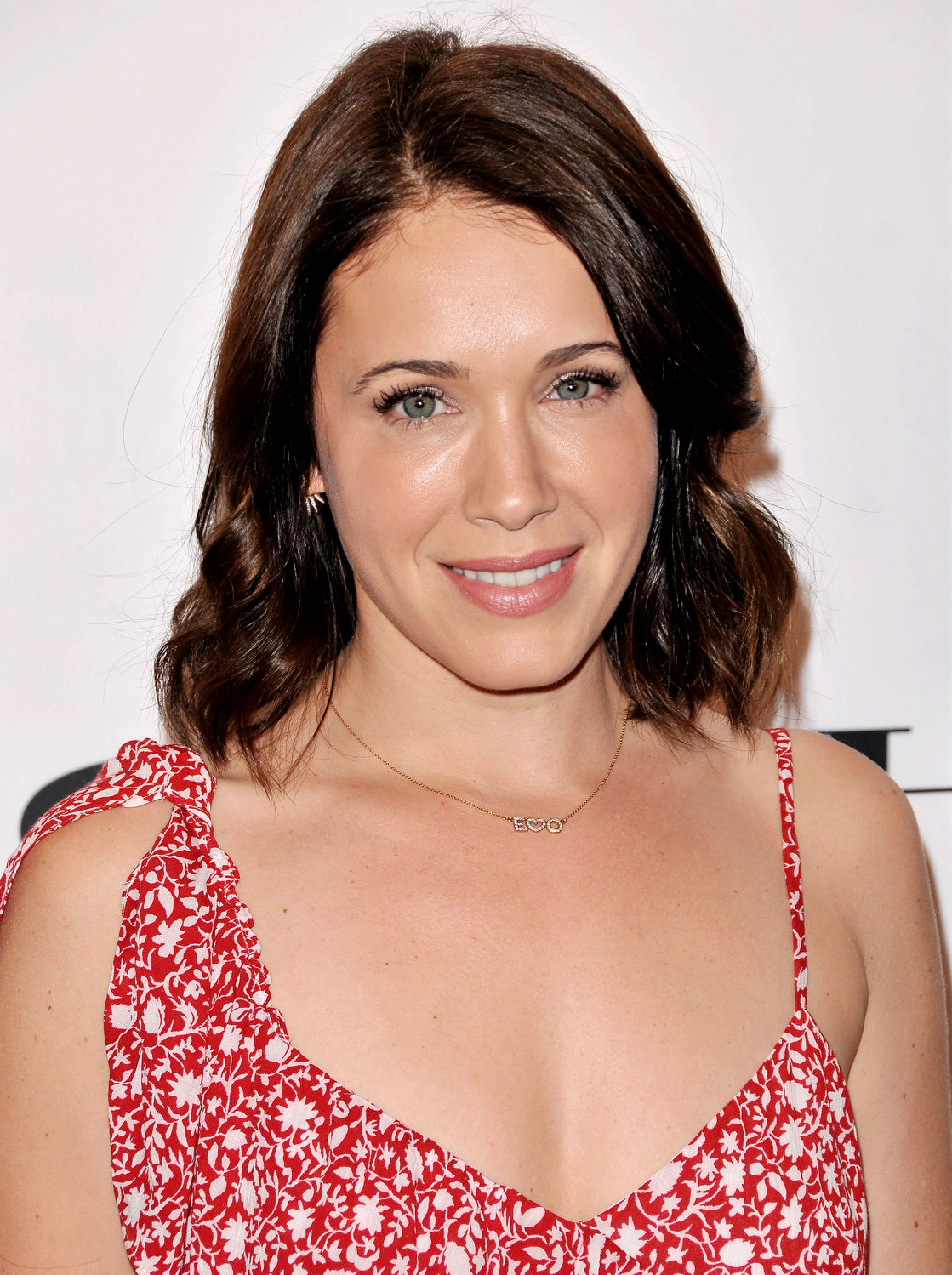
| 10 Quotes | |
| Born as | Marla Lynne Sokoloff |
| Occup. | Actor |
| From | USA |
| Born | December 19, 1980 San Francisco, California, USA |
| Age | 45 years |
| Cite | |
Citation Formats
APA Style (7th ed.)
Marla sokoloff biography, facts and quotes. (2026, February 11). FixQuotes. https://fixquotes.com/actors/marla-sokoloff/
Chicago Style
"Marla Sokoloff biography, facts and quotes." FixQuotes. February 11, 2026. https://fixquotes.com/actors/marla-sokoloff/.
MLA Style (9th ed.)
"Marla Sokoloff biography, facts and quotes." FixQuotes, 11 Feb. 2026, https://fixquotes.com/actors/marla-sokoloff/. Accessed 24 Mar. 2026.
Early Life and Background
Marla Lynne Sokoloff was born on December 19, 1980, in the United States and came of age in the specific churn of late-1980s and 1990s American entertainment, when network sitcoms, teen films, and the first wave of kid-to-adult career pivots set the tempo for young performers. Raised in a family that supported the arts, she entered acting through the local theater ecosystem rather than pageants or commercials alone, developing early the mix of discipline and hunger that child actors often need to survive a business built around rapid casting cycles and adult expectations.Her earliest public visibility arrived before high school, when a national audience began to recognize her face as she moved from youth performance spaces into television. The shift from local stages to Los Angeles-set professional work placed her inside the machinery of the era: pilot season, studio notes, the sitcom multi-cam rhythm, and the constant recalibration of how young actresses were packaged. That early acceleration - success arriving while she was still forming her identity - later shaped how she spoke about typecasting, creative control, and the uneasy negotiation between talent and brand.
Education and Formative Influences
Sokoloff balanced working actor demands with schooling tailored to performers, a route that offered flexibility at the cost of a conventional adolescence; she later described that she did not attend a "normal" high school, instead enrolling in a performing-arts environment. Training and professional repetition became intertwined: rehearsal rooms, acting classes, and on-set feedback loops formed her practical education, while the surrounding industry taught faster lessons about image, age, and marketability - lessons that would surface in her later frustration with being slotted into predictable "teen" material.Career, Major Works, and Turning Points
A key early turning point was her casting on ABC's "Full House" (1987-1995), a high-visibility entry point that positioned her for the 1990s pipeline of family television and youth-oriented film roles; she later recalled landing the part in seventh grade and how it "opened so many doors". From there, she built a resume that reflected the decade's taste for bright, fast-moving ensemble stories, and she later became widely known for playing Gia Mahan on "The Practice" (1997-2004), a role that tested her range inside a more adult, morally charged courtroom world. In the early 2000s she added another defining credit as Stephanie Holden on "Dude, Where's My Car?" (2000) and, later, as Jody Lynch on "The Young and the Restless", demonstrating a willingness to move between prime-time, film comedy, and daytime serial storytelling as the industry shifted toward reality TV competition, franchise filmmaking, and narrower lanes for mid-budget comedies.Philosophy, Style, and Themes
Sokoloff's inner life as an artist has often sounded like a negotiation between joy and fatigue - the thrill of ensemble belonging versus the dread of repetition. She has described the whiplash of moving between age-bracketed sets, noting, “On my show, I'm definitely the youngest one. So going from a show where everyone is over 30, to the movie, where everyone was like 20, 25, it was like summer camp”. Beneath the lightness is a psychological tell: she registers work not just as performance but as social climate, sensitive to how a set's collective age and energy can either shelter or expose a young performer trying to stay human inside a job.Her candidness about typecasting reveals a practical, self-protective intelligence. Reading scripts that rehash the same beats, she has admitted, “I'm pretty sure this is it for the teen movie thing. It's so frustrating to read when you get to page 20 and you're like, Oy! It's the same thing again!” That impatience is less complaint than craft instinct - a refusal to let the industry freeze her at a marketable age. At the same time, she has treated music as a parallel identity that complicates how audiences read her, saying, “The most frustrating thing for me as a singer is that people have pinpointed me as an actress who suddenly woke up one day and decided that I wanted to sing”. The line exposes a recurring theme in her career: the fight to be believed, not merely seen.
Legacy and Influence
Sokoloff's enduring influence lies in the clarity with which her career traces a common but under-documented American story: a young actress launched by a beloved sitcom, matured by serious television, and then forced to continually re-audition for adulthood in a culture that profits from keeping women "young" on paper. Her roles and public reflections have made her a reference point for performers navigating the same corridor between ensemble comedy and prestige drama, and for artists insisting on multidimensional ambition - acting, music, and personal authenticity - in an industry that prefers a single, stable label.Our collection contains 10 quotes written by Marla, under the main topics: Music - Movie - Health - Mother - Student.
Other people related to Marla: Jodi Lyn O'Keefe (Model)
Source / external links