
Mary Tyler Moore Biography Quotes 27 Report mistakes
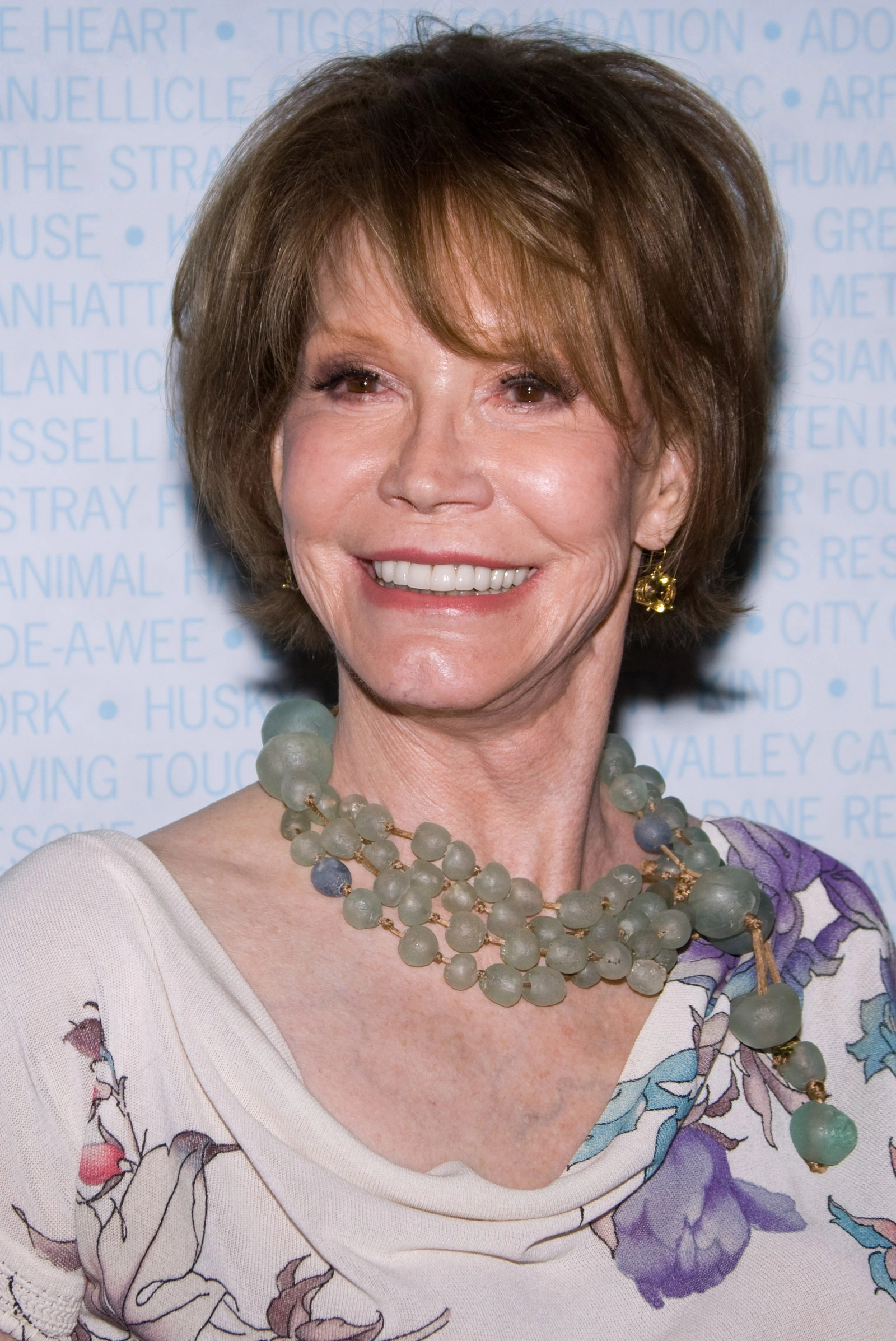
| 27 Quotes | |
| Occup. | Actress |
| From | USA |
| Born | December 29, 1936 Brooklyn Heights, New York, U.S. |
| Age | 89 years |
| Cite | |
Citation Formats
APA Style (7th ed.)
Mary tyler moore biography, facts and quotes. (2026, February 22). FixQuotes. https://fixquotes.com/actors/mary-tyler-moore/
Chicago Style
"Mary Tyler Moore biography, facts and quotes." FixQuotes. February 22, 2026. https://fixquotes.com/actors/mary-tyler-moore/.
MLA Style (9th ed.)
"Mary Tyler Moore biography, facts and quotes." FixQuotes, 22 Feb. 2026, https://fixquotes.com/actors/mary-tyler-moore/. Accessed 26 Mar. 2026.
Early Life and Background
Mary Tyler Moore was born on December 29, 1936, in Brooklyn, New York, the eldest child of George Tyler Moore, a clerk who later worked in advertising, and Marjorie Hackett Moore. Her childhood was shaped by the practical pressures and social expectations of mid-century America: a Catholic upbringing, a culture that trained girls toward niceness and marriage, and an entertainment industry that rarely centered women as grown professionals with interior lives.In 1943 her family relocated to Los Angeles, a move that placed the dream factory within driving distance while also exposing its harsher truths - auditions, typecasting, and the constant appraisal of a young woman on camera. Moore began working early to help the household and to claim a self beyond domestic scripts. That blend of aspiration and anxiety became a lifelong engine: she could project ease, even as she privately measured the cost of every public step.
Education and Formative Influences
Moore attended Catholic schools in Los Angeles and graduated from Immaculate Heart High School in 1955, but her real education came from the apprenticeship system of television - rehearsal rooms, live-to-tape timing, the discipline of hitting marks, and the unspoken rules about how a woman could be funny without being labeled difficult. In 1955 she married Richard Carleton Meeker; motherhood followed in 1956 with the birth of her son, Richie, and the collision between family life and a performer's itinerant schedule sharpened her understanding of what women were asked to contain.Career, Major Works, and Turning Points
Moore entered TV as a dancer and commercial performer, then broke through as "Happy Hotpoint", a sprite in Hotpoint appliance ads, before winning the role of Laura Petrie on CBS's The Dick Van Dyke Show (1961-1966), a landmark in domestic sitcom realism and physical comedy. Her pivot from spouse-in-the-kitchen to single professional heroine came with The Mary Tyler Moore Show (1970-1977), created by James L. Brooks and Allan Burns, where Mary Richards became an emblem of second-wave-era possibility - competent, uncertain, ambitious, and lovable without being owned. Through MTM Enterprises, founded with second husband Grant Tinker, Moore helped shepherd a golden-age run of smart TV (including The Bob Newhart Show and Lou Grant) and later expanded into film with an Oscar-nominated performance in Ordinary People (1980), proving her emotional range beyond sitcom brightness. Personal losses - her 1980 divorce, the 1980 accidental death of her son, and decades managing Type 1 diabetes - deepened her public advocacy and lent gravity to her later stage and television work; she married Robert Levine in 1983 and remained a visible cultural figure until her death in 2017.Philosophy, Style, and Themes
Moore's art was built on calibrated normalcy. She was not the loudest character in the room; she was the moral metronome against which chaos became legible. She described her own function with unusual precision: “I think I can take responsibility for that in that I was the audience. I was the voice of sanity around whom all these crazies did their dance. And I reacted in the same way that a member of the audience would have reacted”. Psychologically, that stance was both strategy and self-protection - an insistence on clarity amid disorder, a way to turn vulnerability into timing, and to let the camera read thought before punchline.Her themes track the cost of adulthood: intimacy that misleads, work that tests endurance, and bodies that can betray even the most disciplined will. The wry loneliness beneath her warmth surfaces in: “Sometimes you have to get to know someone really well to realize you're really strangers”. Offscreen, diabetes and its complications made the body an ever-present antagonist, and her candor about endurance was unsentimental: “No, I tell you what I like is having the play close after a decent run and looking back on it and saying, yes, I did that, and wasn't it wonderful? Because while you're doing it, it is really tough. It is so hard”. In performance, that toughness translated into a style that made competence human - a woman allowed to wobble, recover, and keep going.
Legacy and Influence
Moore helped rewire television's imagination of women: not symbols, but protagonists with jobs, friendships, and private reckonings - a shift that echoes through sitcoms and dramedies from the late 1970s to the streaming era. Her work at MTM elevated writer-driven comedy and newsroom realism; her Mary Richards became shorthand for a modern female hero, while her dramatic turn in Ordinary People remains a masterclass in controlled cruelty and suppressed grief. Beyond the screen, her visibility as a person living long with Type 1 diabetes, and her insistence on professionalism under strain, left an influence that is cultural and personal: permission to be ambitious, funny, and wounded - and still take the next take.Our collection contains 27 quotes written by Mary, under the main topics: Witty One-Liners - Ethics & Morality - Funny - Friendship - Writing.
Other people related to Mary: Bernadette Peters (Actress), Gavin MacLeod (Actor), Judd Hirsch (Actor), Betty Rollin (Journalist), Timothy Hutton (Actor), Morey Amsterdam (Actor), Cloris Leachman (Actress), Valerie Harper (Actress)
Source / external links