
Mel Gibson Biography Quotes 19 Report mistakes
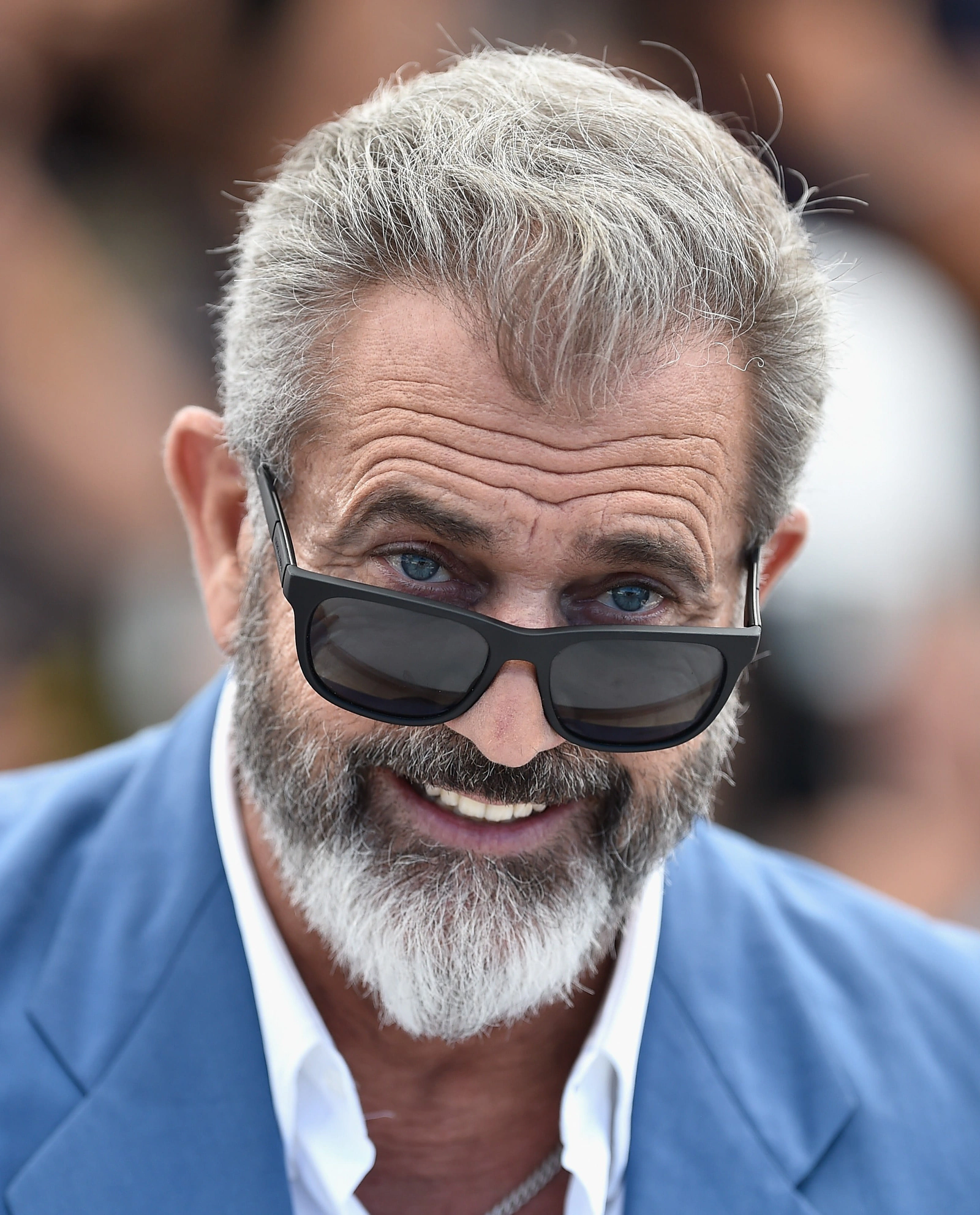
| 19 Quotes | |
| Born as | Mel Columcille Gerard Gibson |
| Occup. | Actor |
| From | USA |
| Spouse | Robyn Moore (1980–2011) |
| Born | January 3, 1956 Peekskill, New York, United States |
| Age | 70 years |
| Cite | |
Citation Formats
APA Style (7th ed.)
Mel gibson biography, facts and quotes. (2026, February 11). FixQuotes. https://fixquotes.com/actors/mel-gibson/
Chicago Style
"Mel Gibson biography, facts and quotes." FixQuotes. February 11, 2026. https://fixquotes.com/actors/mel-gibson/.
MLA Style (9th ed.)
"Mel Gibson biography, facts and quotes." FixQuotes, 11 Feb. 2026, https://fixquotes.com/actors/mel-gibson/. Accessed 5 Mar. 2026.
Early Life and Background
Mel Columcille Gerard Gibson was born on January 3, 1956, in Peekskill, New York, the sixth of eleven children in a large Irish Catholic family. His father, Hutton Gibson, was a hard-edged autodidact and polemicist whose intense religious traditionalism and contrarian politics helped form the emotional weather of the household - certainty was prized, dissent was personal, and public life was viewed through a moral lens.In 1968 the Gibsons moved to Australia, a relocation driven by family calculations and an era thick with draft anxiety and cultural upheaval. The shift from suburban America to Sydney changed Gibson's coordinates: he absorbed the blunt, competitive masculinity of Australian schoolyards and the sharper class signals of a society still negotiating postwar identity. The immigrant experience also made him, early, a student of accents and belonging - a skill that later became both his acting tool and his private armor.
Education and Formative Influences
After school in New South Wales, Gibson trained at the National Institute of Dramatic Art (NIDA) in Sydney, graduating in 1977, when Australian theater and film were surging with new confidence. NIDA drilled him in voice, movement, and classical discipline, while the wider culture rewarded raw nerve and physical truth - two energies he fused into a signature screen presence. Shakespeare at the State Theatre Company of South Australia and the tough local realism of the Australian New Wave gave him a range that went beyond looks: he could be lyrical, feral, comic, or wounded, often in the same scene.Career, Major Works, and Turning Points
Gibson broke out internationally with George Miller's "Mad Max" (1979), then became a global leading man through "Gallipoli" (1981), "The Year of Living Dangerously" (1982), and the "Lethal Weapon" series (1987-1998), where he refined a persona built on charm under pressure and damage barely contained. He pivoted into directing with "The Man Without a Face" (1993) and won Academy Awards as producer-director for "Braveheart" (1995), proving he could orchestrate spectacle and intimacy. In the 2000s he pushed into riskier, polarizing territory - notably "The Passion of the Christ" (2004) and later "Apocalypto" (2006) - while his off-screen crises, including a 2006 arrest and widely reported antisemitic remarks and subsequent professional fallout, fractured his public image and forced a long, uneven rehabilitation that included strong later performances such as "Hacksaw Ridge" (2016) as director.Philosophy, Style, and Themes
Gibson's work is animated by a paradox: he is both craftsman and zealot, attracted to technique while chasing visions that feel like revelations. He has described acting with disarming cynicism - “Acting is like lying. The art of lying well. I'm paid to tell elaborate lies”. Yet his best roles and his most ambitious directing suggest he does not experience those "lies" as empty; he treats performance as a way to smuggle private truth past the guardrails of ordinary speech. The result is a style of intensity that reads as confession even when it is constructed - a face that can flirt, plead, and threaten in a single beat, and a director's eye that favors bodies under strain, moral choices made in blood and breath.His recurring themes circle redemption, violence, and the price of conviction, and they mirror a biography shaped by severe faith and public rupture. When he said, “I was spiritually bankrupt, and when that happens, it's like a spiritual cancer afflicts you”. , he gave a rare window into the self-accusatory interior that often lurks behind his bravado - the sense that collapse is not merely scandal but a metaphysical diagnosis. At the same time, his worldview has included blunt, polarizing assertions about gender and social power - “A woman should be home with the children, building that home and making sure there's a secure family atmosphere”. - statements that sit in tension with the fierce, often complicated women who populate his films and with an industry and audience increasingly unwilling to separate private ideology from public art. Across his best work, he stages the same trial again and again: a flawed man tested until the mask splits, and something like grace - or ruin - shows through.
Legacy and Influence
Gibson remains a defining star-director of late-20th-century and early-21st-century cinema: a figure who helped carry the Australian film renaissance into global consciousness, shaped the modern action template through "Mad Max" and "Lethal Weapon", and demonstrated with "Braveheart" and "The Passion of the Christ" that a single filmmaker's conviction can move mass audiences and money at scale. His influence is inseparable from controversy; he is studied as both cautionary tale and case study in artistic resilience, with later successes underscoring Hollywood's cyclical capacity for exile and return. In the long view, his work endures less as a coherent brand than as a charged battleground where craft, belief, charisma, and damage collide - and where audiences keep arguing about what, if anything, can be redeemed.Our collection contains 19 quotes written by Mel, under the main topics: Witty One-Liners - Work Ethic - Equality - Movie - Change.
Other people related to Mel: Richard Donner (Director), Sophie Marceau (Actress), Barry Pepper (Actor), Franco Zeffirelli (Director), Helen Hunt (Actress), Mark Rydell (Director), Donald E. Westlake (Writer), Maria Bello (Actress), Catherine McCormack (Actress), Nick Stahl (Actor)
Source / external links