
Mercedes McCambridge Biography Quotes 37 Report mistakes
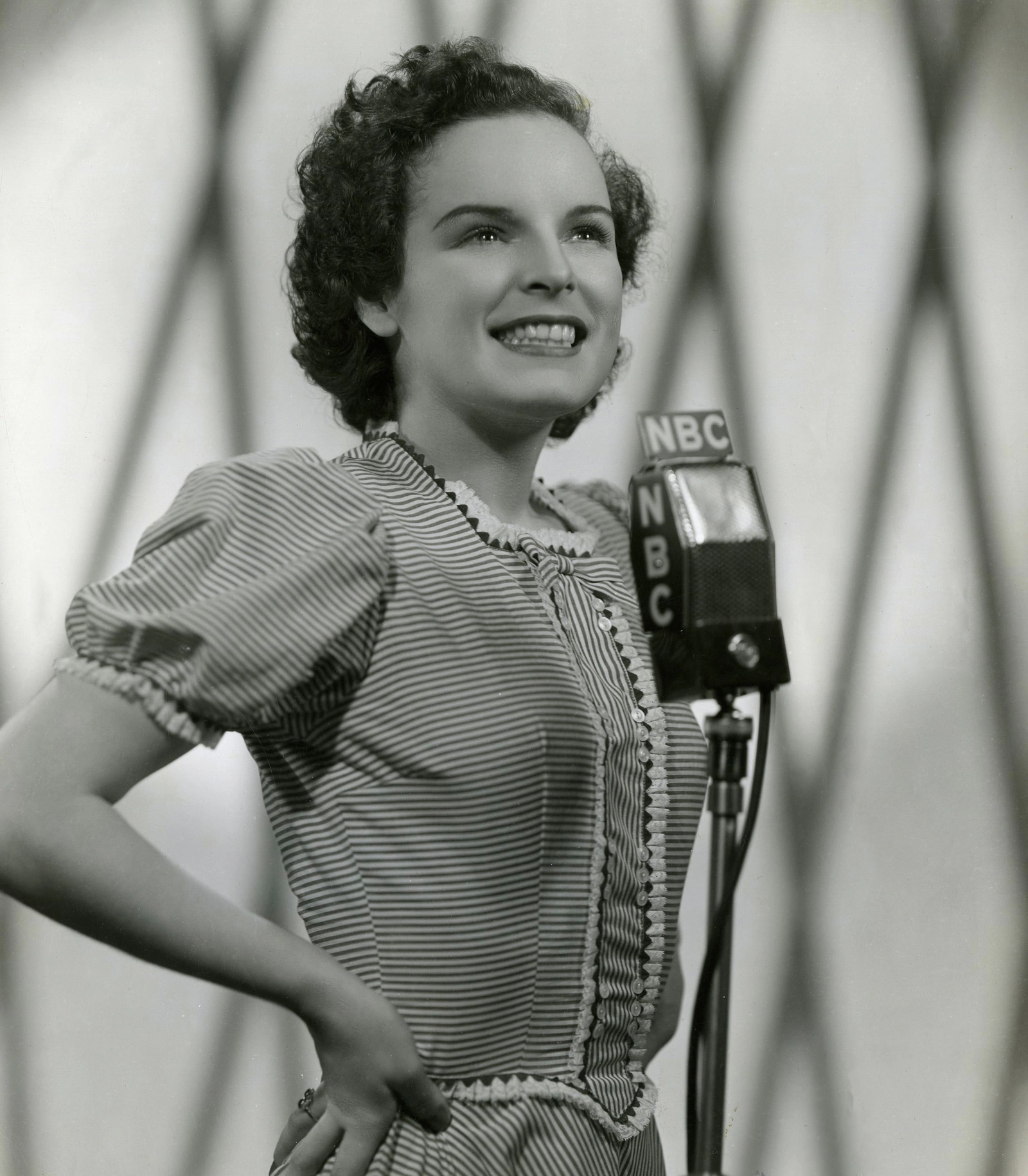
| 37 Quotes | |
| Born as | Carlotta Mercedes McCambridge |
| Occup. | Actress |
| From | USA |
| Born | March 16, 1916 Joliet, Illinois, U.S. |
| Died | March 2, 2004 La Jolla, California, U.S. |
| Aged | 87 years |
| Cite | |
Citation Formats
APA Style (7th ed.)
Mercedes mccambridge biography, facts and quotes. (2026, February 11). FixQuotes. https://fixquotes.com/actors/mercedes-mccambridge/
Chicago Style
"Mercedes McCambridge biography, facts and quotes." FixQuotes. February 11, 2026. https://fixquotes.com/actors/mercedes-mccambridge/.
MLA Style (9th ed.)
"Mercedes McCambridge biography, facts and quotes." FixQuotes, 11 Feb. 2026, https://fixquotes.com/actors/mercedes-mccambridge/. Accessed 4 Mar. 2026.
Early Life and Background
Carlotta Mercedes McCambridge was born on March 16, 1916, in Joliet, Illinois, into an Irish Catholic family whose rhythms were shaped by church life, Midwestern work ethic, and the public-speaking culture of parishes and local schools. The stage came to her early less as glamour than as a proving ground: a place where voice, nerve, and timing could turn a girl from industrial Illinois into an event people remembered.Her inner life was marked by intensity and appetite - for language, for risk, for being fully alive. That temperament, which later read as fearlessness on camera, also carried a private cost. McCambridge moved through the 20th century with the volatility of an era that rewarded big personalities but punished the vulnerable: the studio system, the postwar boom, the darkening anxieties of Cold War America, and a culture that wanted its women brilliant but not too difficult.
Education and Formative Influences
She studied at Mundelein College in Chicago and then built her craft in radio, a medium that demanded exacting control of breath, diction, and emotional color. In radio drama she learned how to make a character believable without the help of costume or close-up, and that discipline became her signature - a muscular, character-first technique rooted in voice and psychological specificity rather than movie-star mystique.Career, Major Works, and Turning Points
McCambridge broke through in film with All the King's Men (1949), playing Sadie Burke with a ferocity that won the Academy Award for Best Supporting Actress and announced a new kind of screen woman - funny, hungry, politically astute, and unafraid to be abrasive. She worked across film, television, and theater, often in roles that required moral grit rather than prettiness, including A Touch of Evil (1958) and the TV classic Johnny Belinda (1948). A later cultural aftershock came with her uncredited vocal work for the demon voice in The Exorcist (1973), a performance that embedded her artistry in popular memory even as it complicated how credit, authorship, and recognition are distributed in Hollywood.Philosophy, Style, and Themes
McCambridge believed in performance as total commitment - the actor as athlete of emotion. She was not interested in being liked; she was interested in being true, and her characters often arrive with sharpened elbows because she understood how power actually moves in families, politics, and show business. Her work returns to the tension between bravado and ache, the way a hard surface can be a survival strategy. “I believe in joy, but I believe in the flip-side, agony”. That sentence is practically a self-portrait: she played joy without sweetness and agony without self-pity, and she treated both as facts.Her style was also a critique of the industry that profited from intensity while withholding its rewards. She could talk about fame with a performer-comedian's bite and a laborer's clarity: “At awards time, The Exorcist was nominated in 11 categories, everybody but the janitor was up for an Oscar. There was no category for what I did”. The psychology beneath the joke is insistence - a demand that invisible work be named. She also spoke bluntly about addiction, refusing the comforting rhetoric that turns suffering into slogan: “There are zillions of people who say that alcoholism is a disease, but not many of them believe it”. Her candor suggests a woman who had learned that willpower, shame, compassion, and relapse could all coexist, and that survival required both honesty and discipline.
Legacy and Influence
McCambridge died on March 2, 2004, leaving a legacy that is less about celebrity than about craft: the blueprint for a certain American character actor who can dominate a scene through voice, nerve, and intelligence. In Sadie Burke she expanded the emotional range permitted to women on screen; in radio and television she proved that technique could be its own kind of charisma; and in The Exorcist she demonstrated how sound can carry terror more efficiently than any image. Her influence lives in performers who treat character work as literature - and who understand, as she did, that the most enduring performances are the ones that tell the truth even when the truth is inconvenient.Our collection contains 37 quotes written by Mercedes, under the main topics: Witty One-Liners - Ethics & Morality - Puns & Wordplay - Love - Mortality.
Other people related to Mercedes: Linda Blair (Actress)
Source / external links