
Mercedes Ruehl Biography Quotes 11 Report mistakes
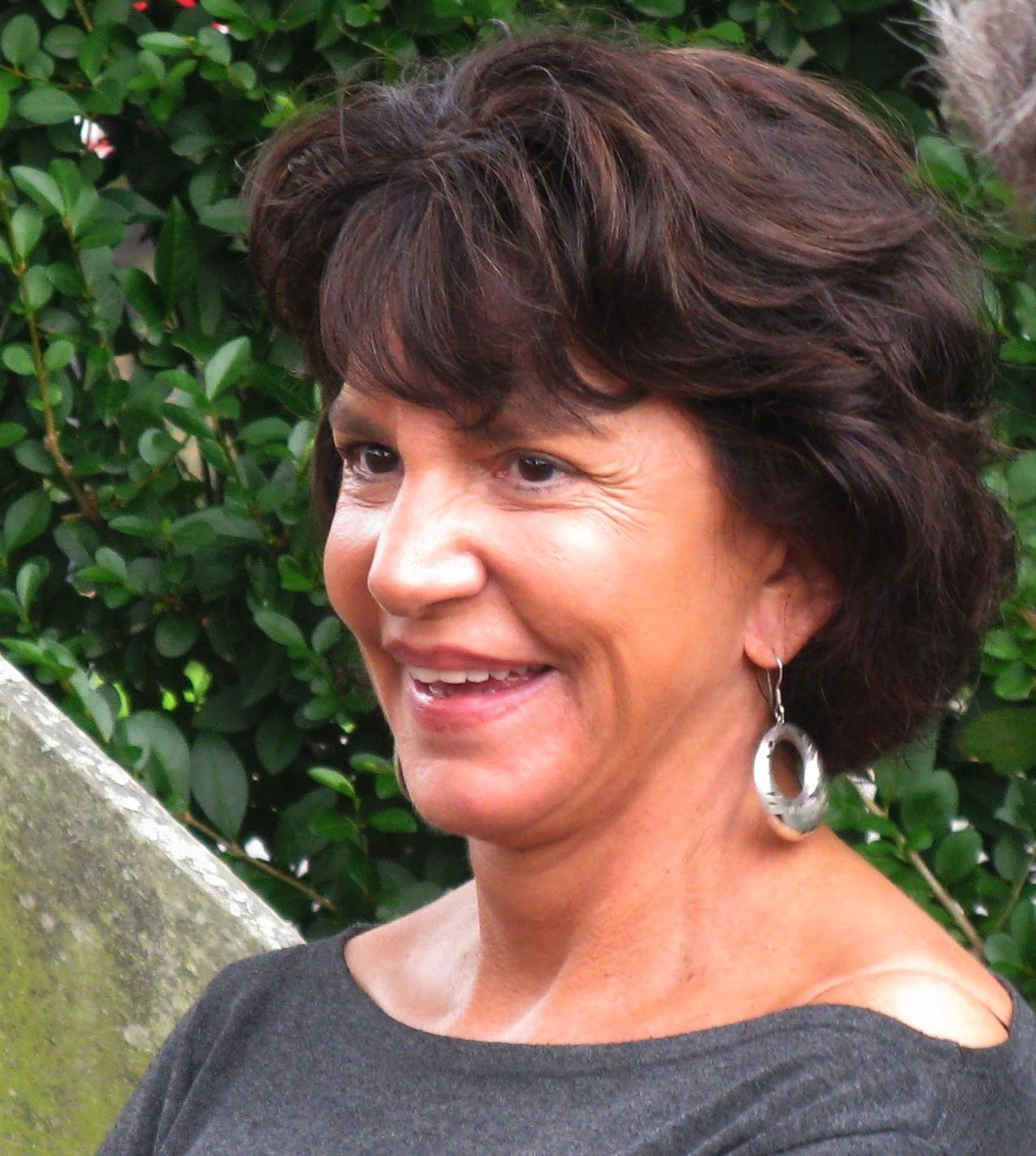
| 11 Quotes | |
| Occup. | Actress |
| From | USA |
| Born | February 28, 1948 Queens, New York, U.S. |
| Age | 78 years |
| Cite | |
Citation Formats
APA Style (7th ed.)
Mercedes ruehl biography, facts and quotes. (2026, February 11). FixQuotes. https://fixquotes.com/actors/mercedes-ruehl/
Chicago Style
"Mercedes Ruehl biography, facts and quotes." FixQuotes. February 11, 2026. https://fixquotes.com/actors/mercedes-ruehl/.
MLA Style (9th ed.)
"Mercedes Ruehl biography, facts and quotes." FixQuotes, 11 Feb. 2026, https://fixquotes.com/actors/mercedes-ruehl/. Accessed 5 Mar. 2026.
Early Life and Background
Mercedes J. Ruehl was born on February 28, 1948, in Jackson Heights, Queens, New York City, into a Catholic, working-theater household that treated performance less as glamour than as a trade. Her father, Maurice Ruehl, made a living as a puppeteer, while her mother, a teacher, grounded the family in discipline and books; the tension between show-business improvisation and classroom order would later echo in Ruehl's acting, where looseness is always tethered to craft. Growing up in mid-century New York meant absorbing voices - immigrant cadences on the subway, streetwise comedy, the sharper edges of class - and she carried that sonic memory into roles that demanded both warmth and abrasion.The city also trained her to read rooms quickly: who is performing, who is hiding, who is surviving. Ruehl has often been cast as women who appear tough, even coarse, but are actually managing fear and desire in public - a social skill Queens teaches early. The late 1950s and 1960s, with their argument over gender roles, authority, and sexual freedom, formed the backdrop for a young actress learning that identity is not just declared, but negotiated under pressure.
Education and Formative Influences
She studied acting at the University of Minnesota in Minneapolis, a move that widened her sensibility beyond New York's tempo and gave her a serious, ensemble-oriented theater foundation; she later sharpened her technique at the HB Studio in Manhattan, where disciplined repetition and text work reinforced a belief that truth onstage comes from attention rather than display. Those years aligned her with the American repertory and off-Broadway tradition - actor-centered, language-driven, and psychologically blunt - that would become her home base even after film and television fame arrived.Career, Major Works, and Turning Points
Ruehl built her reputation in New York theater across the 1970s and 1980s, becoming a dependable force in contemporary American plays before crossing into wider public view. Her major breakthrough came with Neil Simon's Broadway hit Lost in Yonkers (1991), where her performance combined comic timing with bruised family history and earned her the Tony Award for Best Actress in a Play; the same year she won the Academy Award for Best Supporting Actress for The Fisher King (1991), playing Anne Napolitano with an unshowy decency that anchors Terry Gilliam's romantic fever-dream. Later screen work ranged from Big (1988) to television and character parts that leaned on her ability to make flawed women legible, but she repeatedly returned to the stage, where she could live inside language for months rather than weeks.Philosophy, Style, and Themes
Ruehl's best work refuses the cheap comfort of likability; she plays the human contradiction inside broad types - the sharp-tongued sister, the exhausted caretaker, the pragmatic lover - and then reveals the private wound that fuels the public posture. Her theater-first rhythm privileges listening over signaling, letting a pause carry as much narrative as a punchline. She is especially effective at turning defensive humor into confession, a style that matches New York's protective banter while exposing the loneliness underneath it.Her interviews suggest a moral curiosity that runs alongside her craft, particularly around gender, identity, and the costs of misunderstanding. “Society historically has a difficult time with the concept of something new and foreign that shakes up our comfortable views, especially if it involves the very volatile question of sexual identity”. That line reads like an actor's note-to-self: play the friction between a character's need for safety and the reality that the world changes anyway. She has spoken about learning the biological and lived complexities behind transgender experience - “Nature chooses who will be transgender; individuals don't choose this”. - an emphasis on empathy over verdict. Even her respect for language has an inward, almost ascetic edge: “Writing of that caliber spoils you for any other kind of writing for awhile. But that's probably good”. It is the credo of an actress who trusts text, and who chooses roles that let her investigate character rather than decorate a production.
Legacy and Influence
Ruehl endures as a model of the American character actress at peak authority: a performer whose recognizability comes not from a trademark quirk, but from precision in behavior, speech, and emotional temperature. In an era that often rewards speed and surface, her work - especially in Lost in Yonkers and The Fisher King - demonstrates how comedy can coexist with damage, and how tenderness can be played without sentimentality. For younger actors, she represents a viable, dignified path: stage training as bedrock, film fame as an expansion rather than an escape, and a career built on curiosity about people whom society is too quick to simplify.Our collection contains 11 quotes written by Mercedes, under the main topics: Witty One-Liners - Puns & Wordplay - Writing - Work Ethic - Equality.
Source / external links